
A beginner friendly look at this wonderfully tactile, slow craft.
There’s something quietly comforting about punch needle, that gentle rhythm, the way texture grows under your hands and the soft satisfaction of creating something beautiful loop by loop.
Punch needle isn’t new it’s been around for well over a century but in recent years it’s found a modern audience. Whether you’re drawn by textured rugs, cushions and wall hangings or simply want a calming, tactile hobby, punch needle might be just the craft you didn’t know you were missing.
In this blog post we’ll cover what punch needle is, how it works, what you can make with it and how to get started confidently at home.

What is punch needle?
Originally invented to speed up rug hooking, punch needle is now a craft in its own right. At its simplest, punch needle is a yarn based textile craft where a hollow tool pushes yarn or thread through a woven fabric to create loops on the other side. Punch needle works using a continuous thread to form loop stitches on one side, which can be short and neat or tall and plush depending on the tool and yarn you choose.
Unlike some other textile crafts, you don’t need knots or glue, the loops stay in place through the tension of the fabric and the density of the loops. This makes punch needle both forgiving and deeply satisfying.

What can you make with punch needle?
Punch needle originally began as a way to make sturdy hooked rugs but in a quicker way. It is a craft with roots in practical textile work, but today it’s so much more. One of the things I love most about punch needle is that you can make a range of things that are both beautiful and practical:
- Rugs, from small tabletop top trivets to larger decorative floor pieces
- Cushions and soft home décor
- Wall hangings and artwork
- Bags and accessories
- Coasters and small decorative items like baubles.
From soft and smooth to bold and textural, the tactile loopy pile you get from punch needle adds depth and personality to every project. Take your time and use the best materials you can, and you’ll be rewarded with heirloom quality makes.

Tools and materials: what do you need?
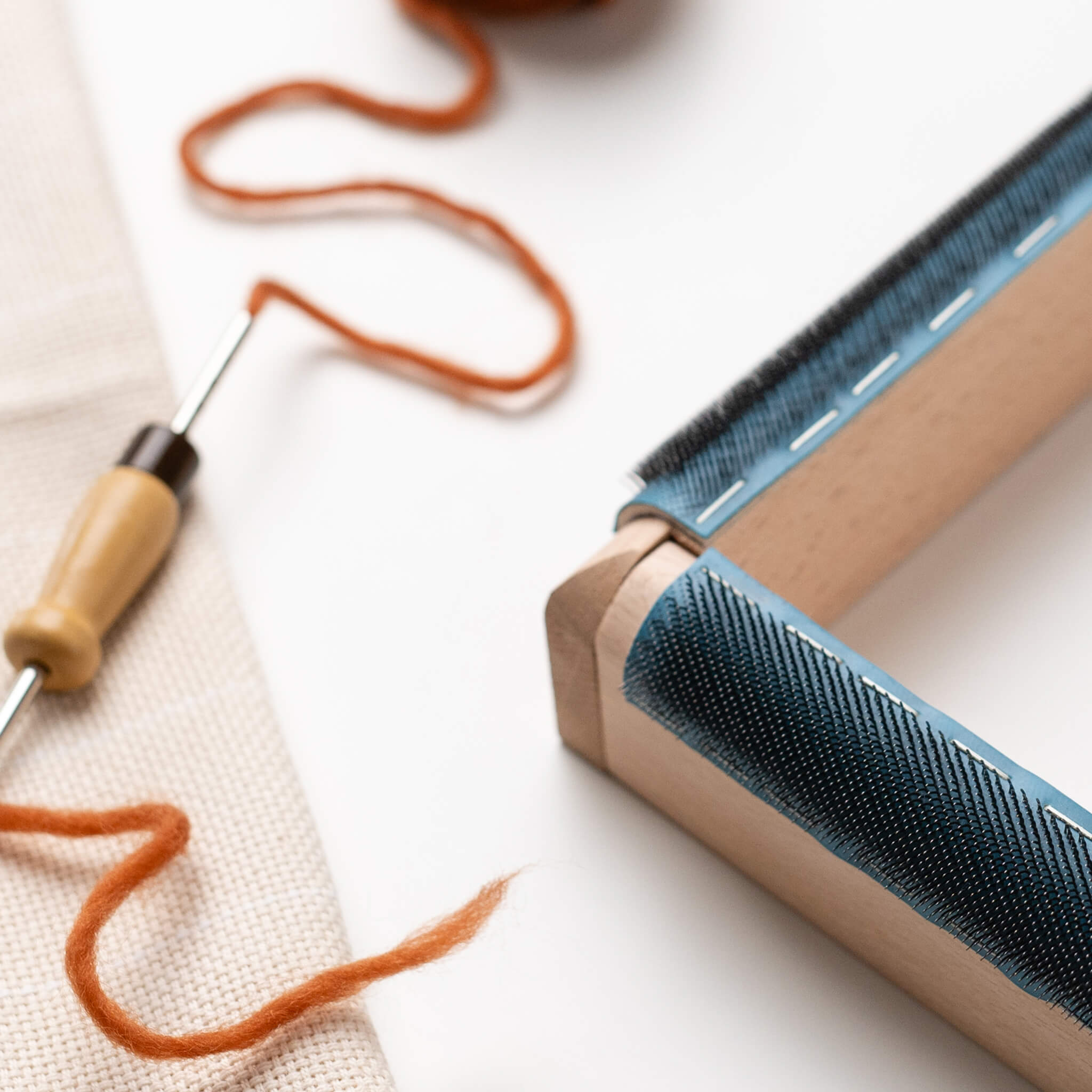
One of the things I love most about punch needle is how simple the materials are and how much joy you can find just by sitting down and experimenting. You don't need much to get started, just four key components. I'd suggest ensuring you've got good foundation materials (tool, fabric and frame or hoop) and then get creative with the fibres.
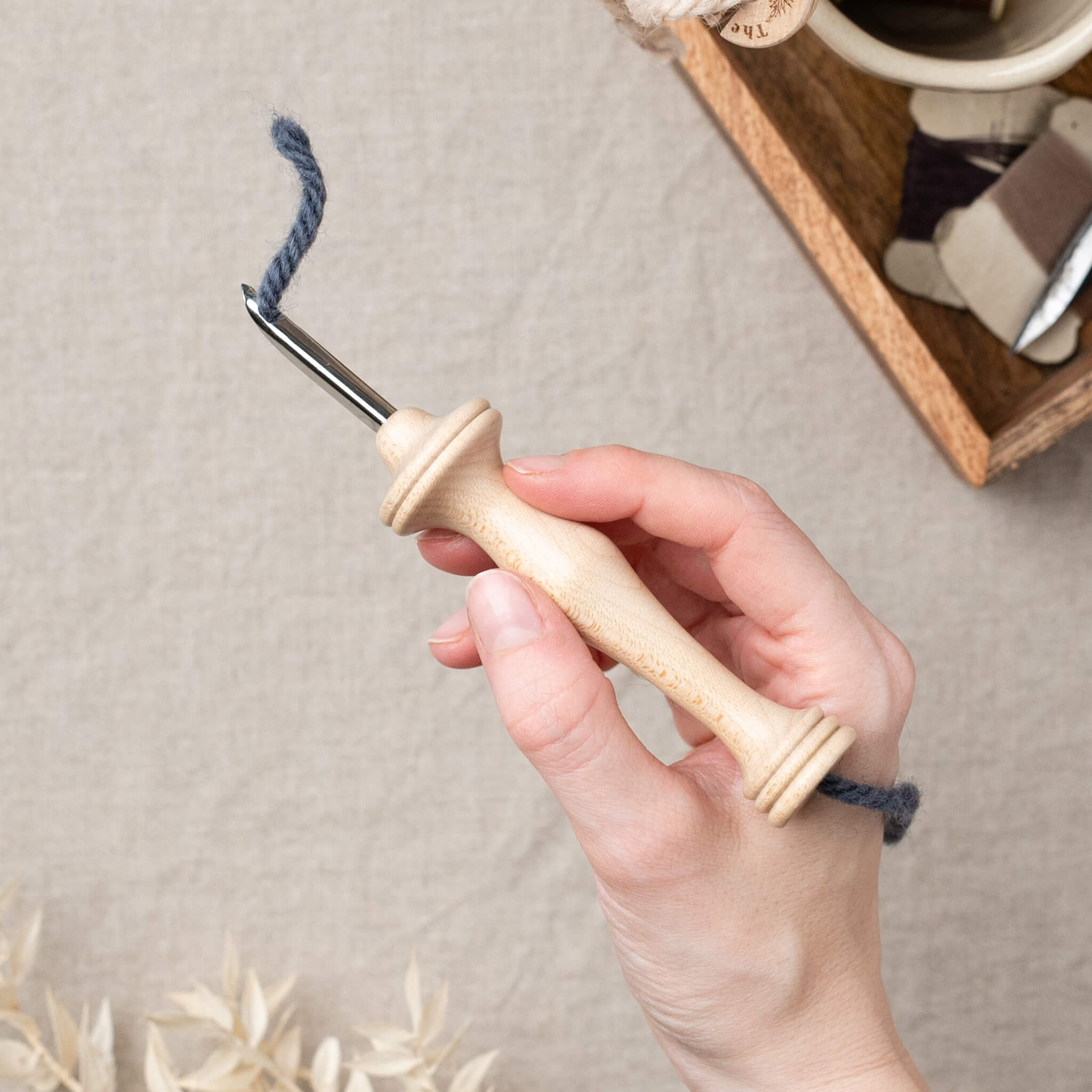
Punch needle tool
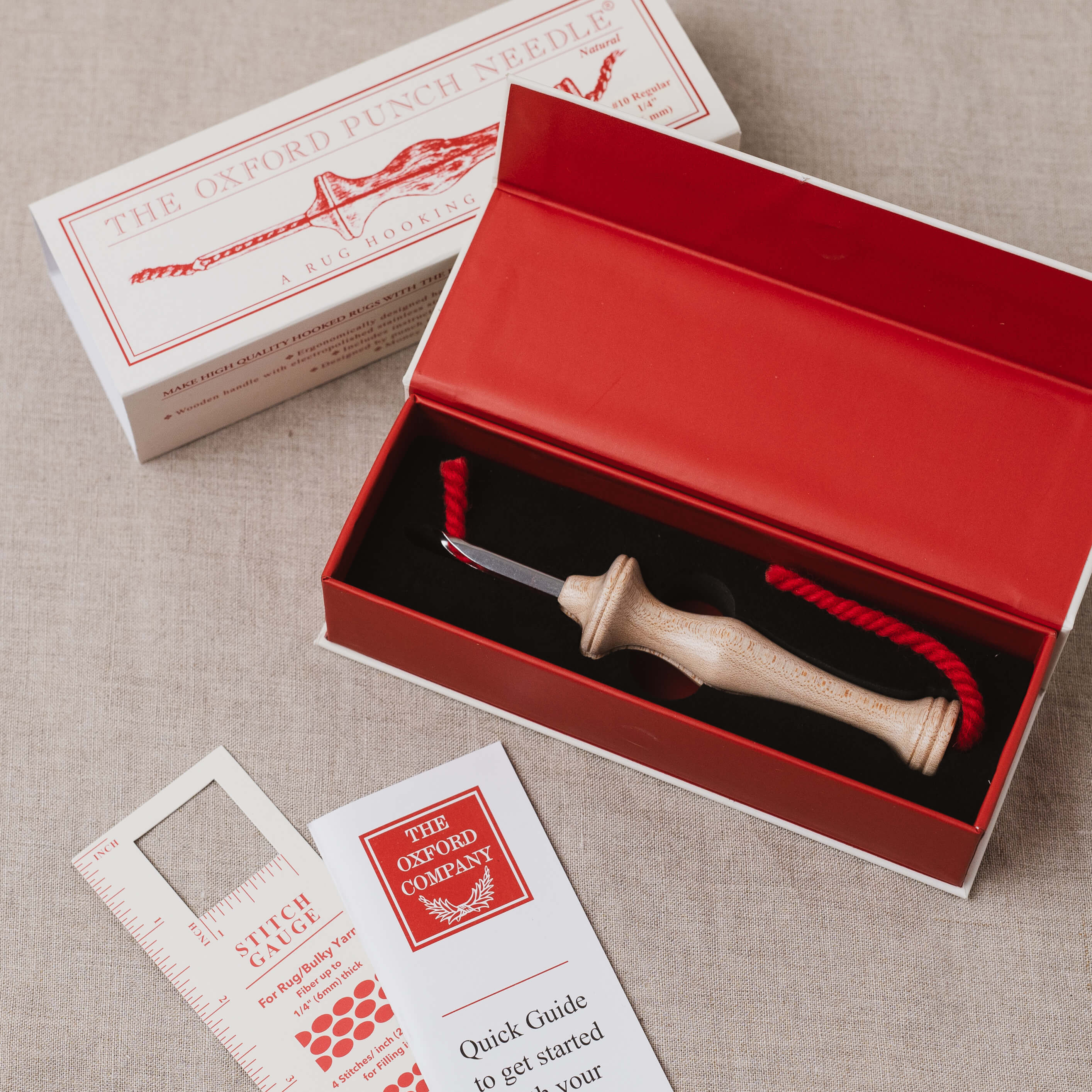
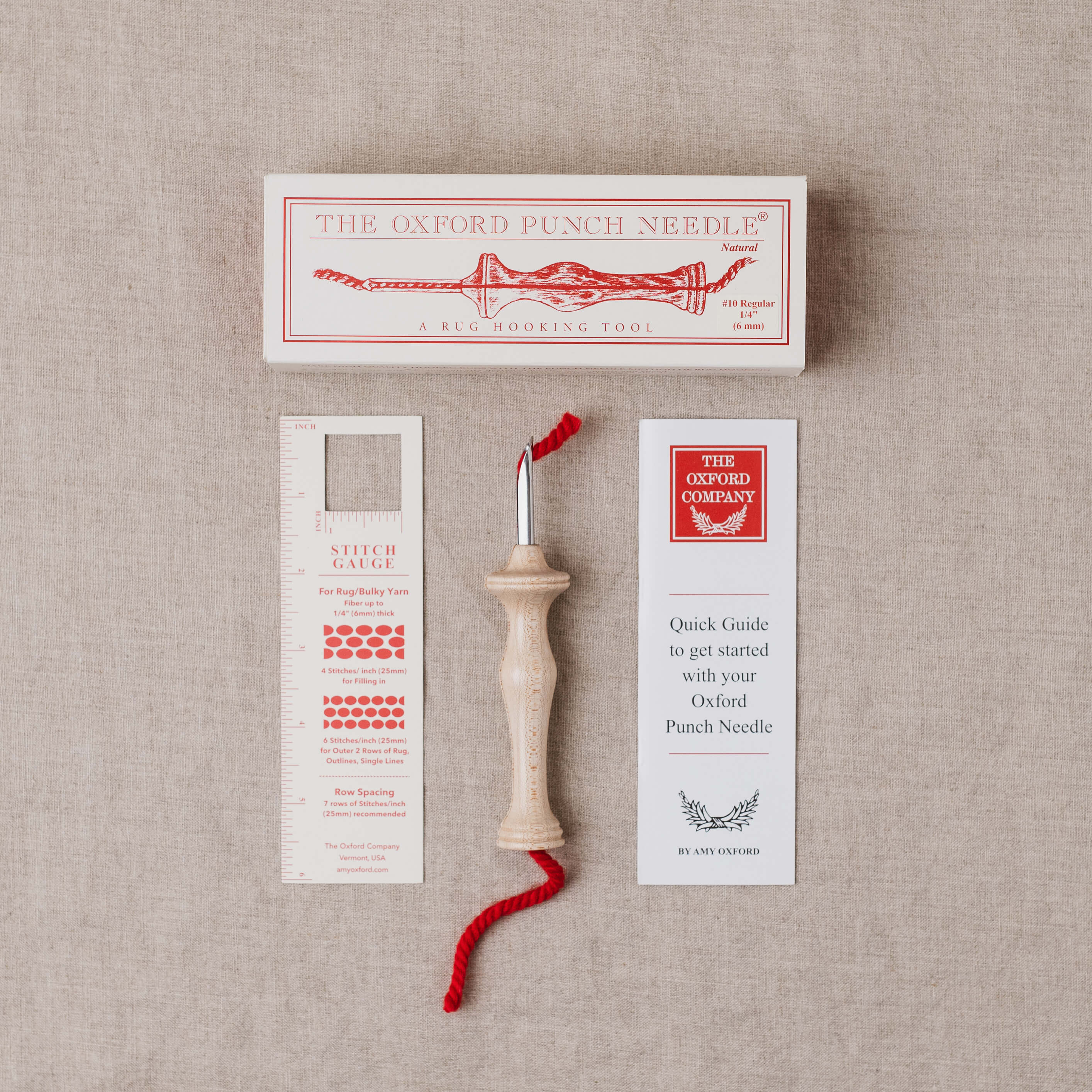
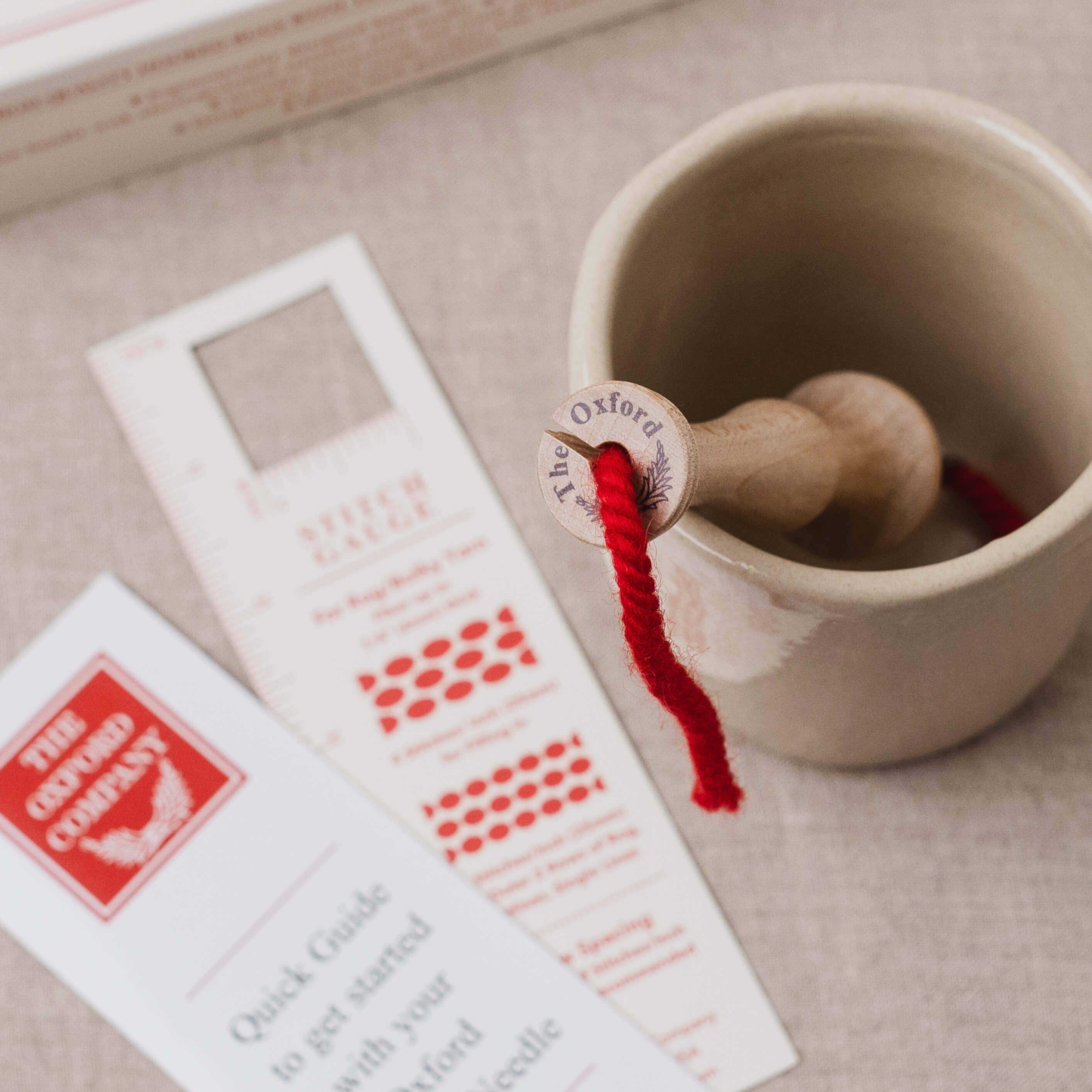
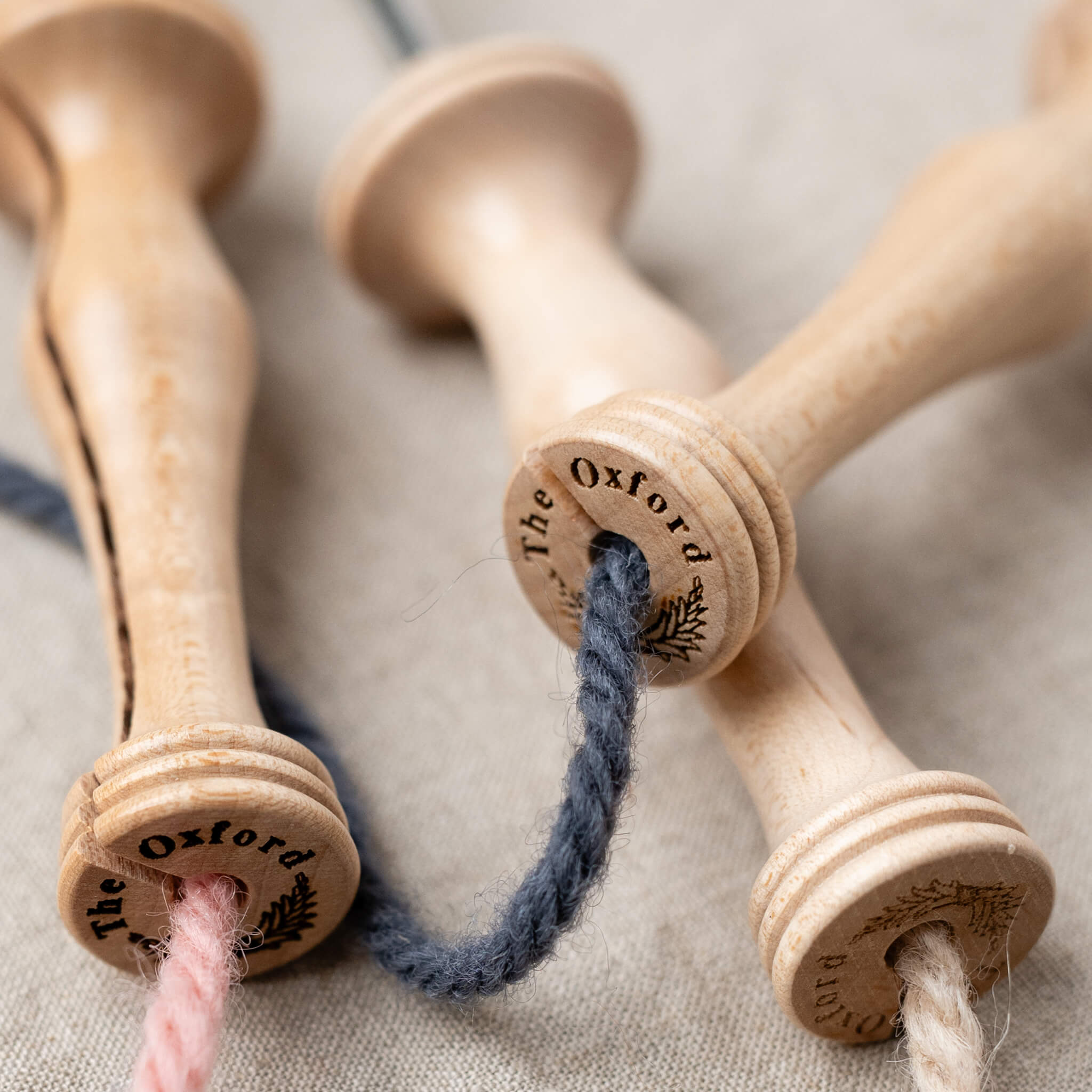
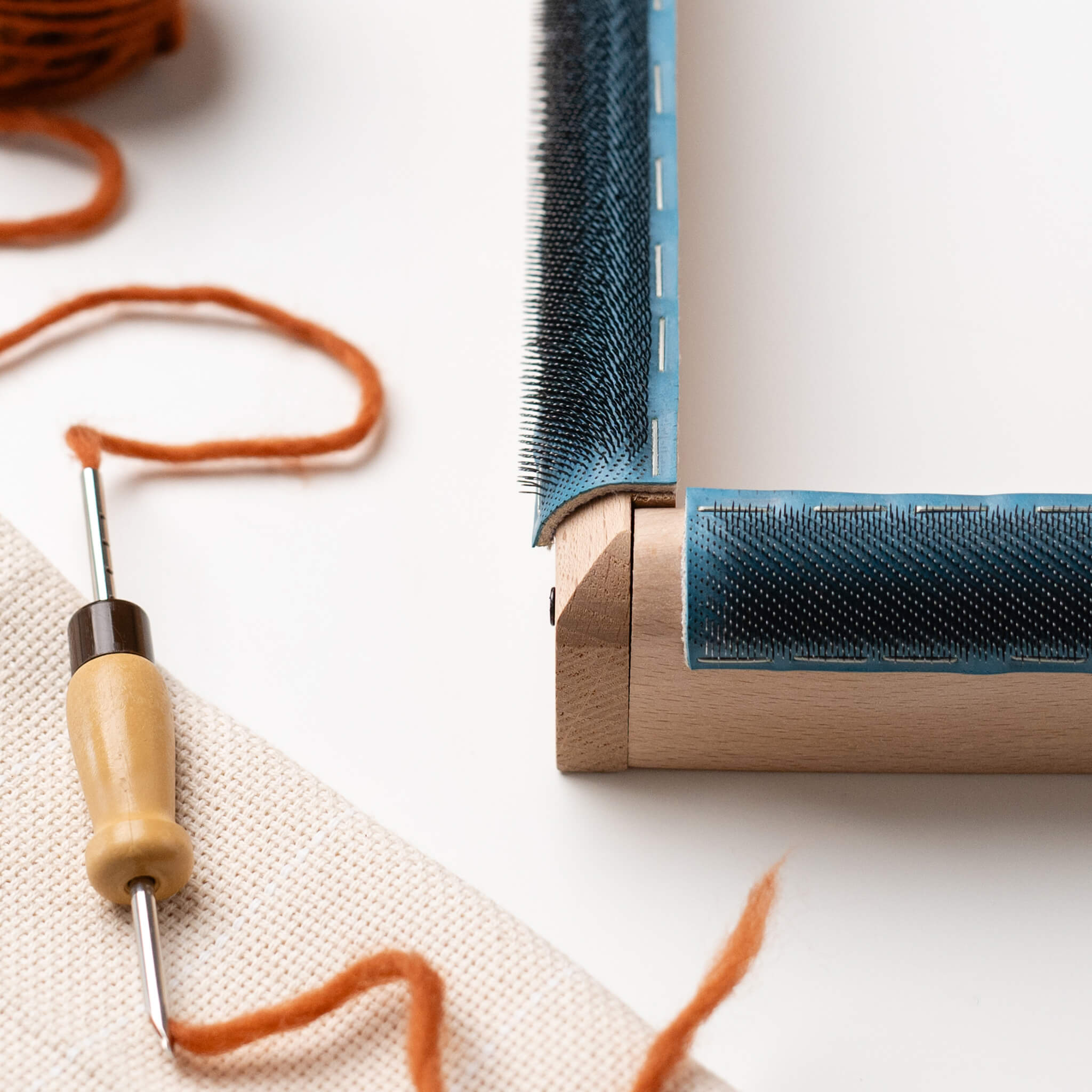
These come in different shapes and sizes but all work the same way, pushing a continuous strand of yarn or thread through a tool to form loops in a foundation fabric. Different widths of punch needle will work better with different thicknesses of yarn. Good brands to look out for are Oxford, Lavor and Ultra Punch.
Read more: A guide to punch needle tools
Fabric
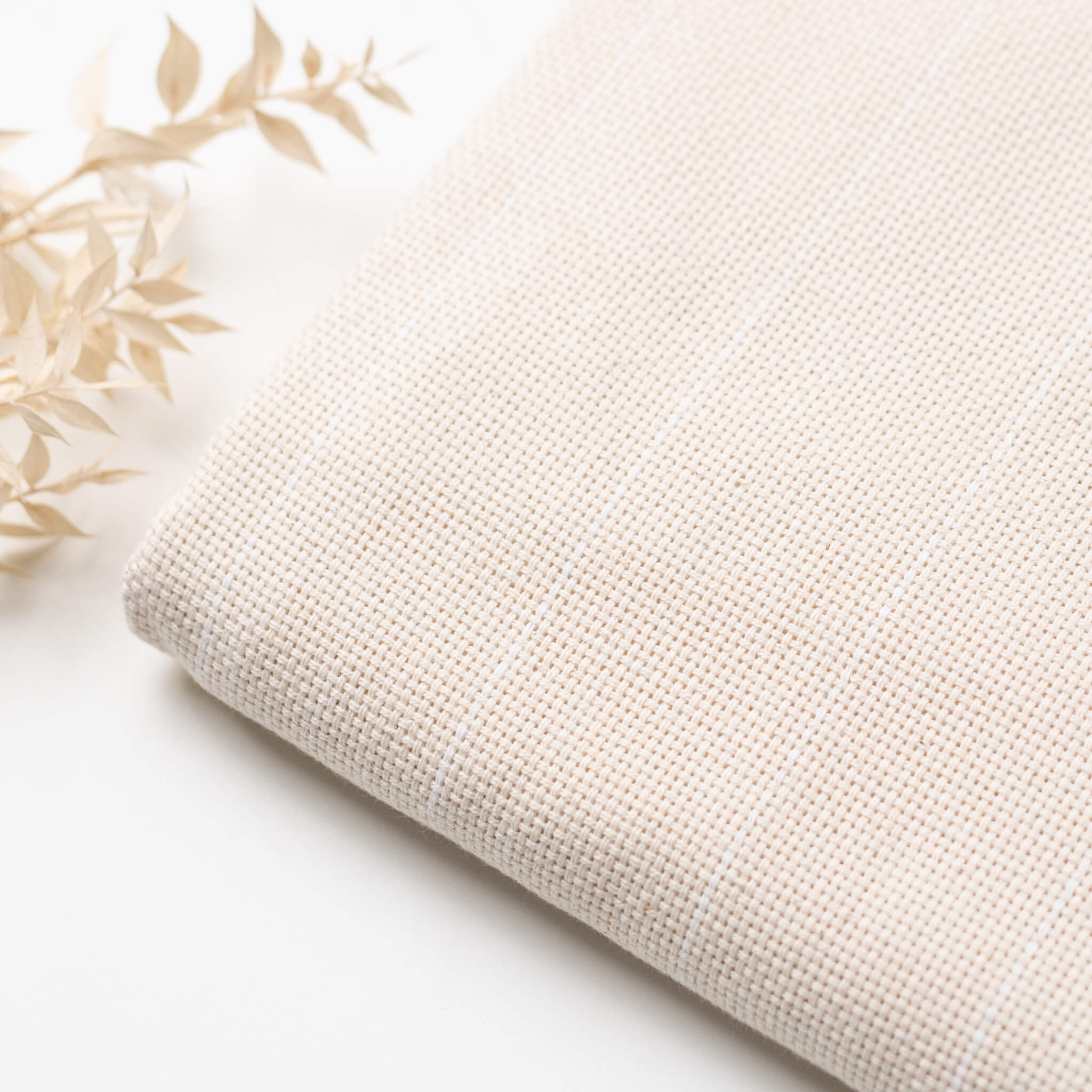
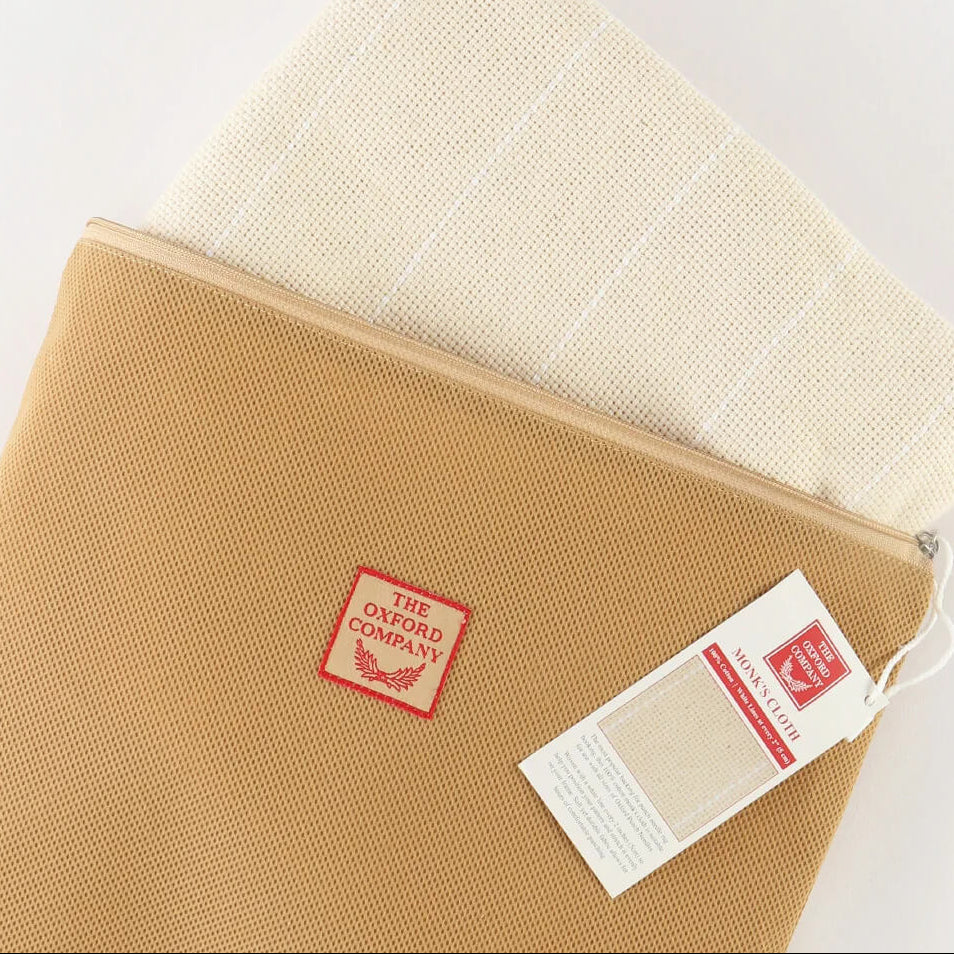
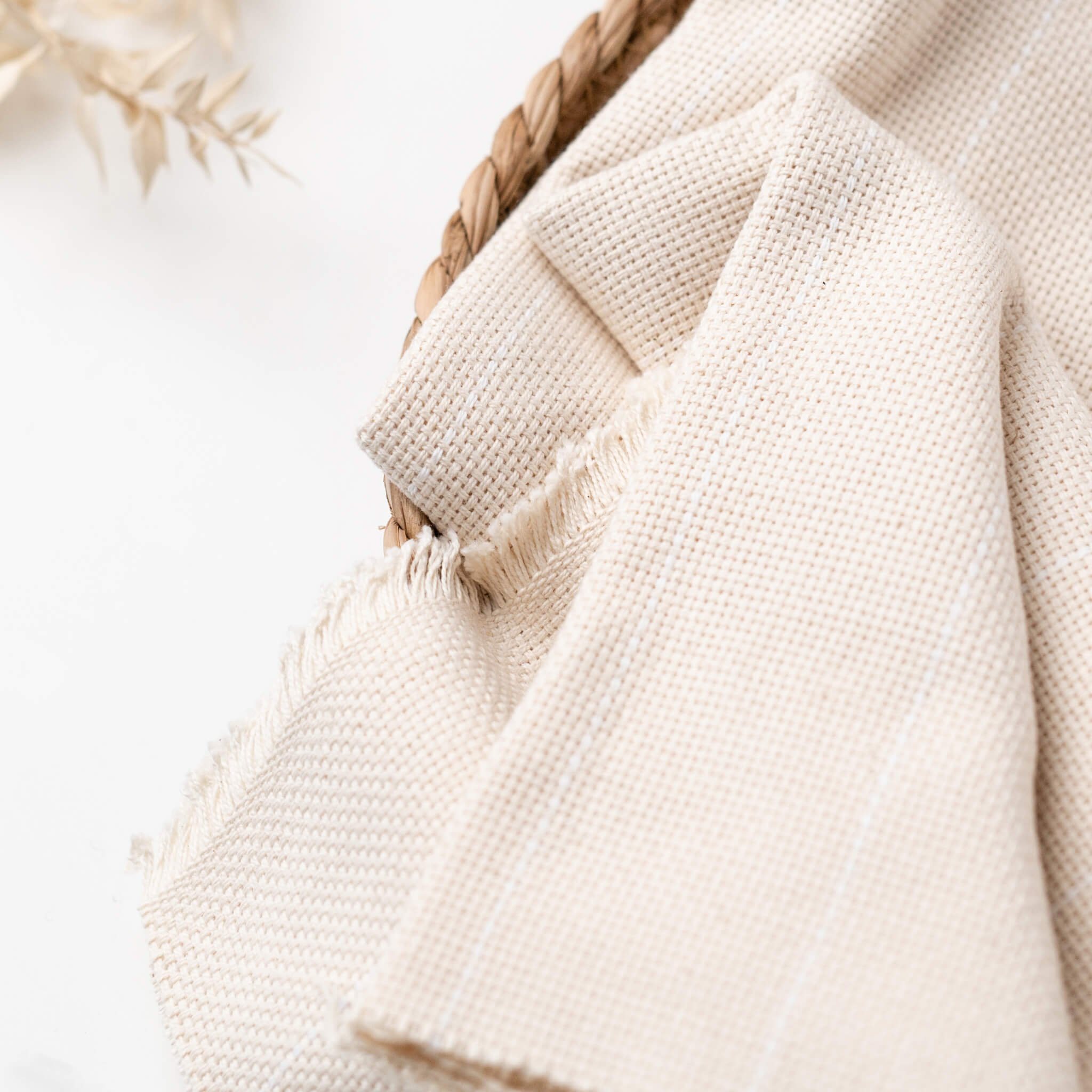
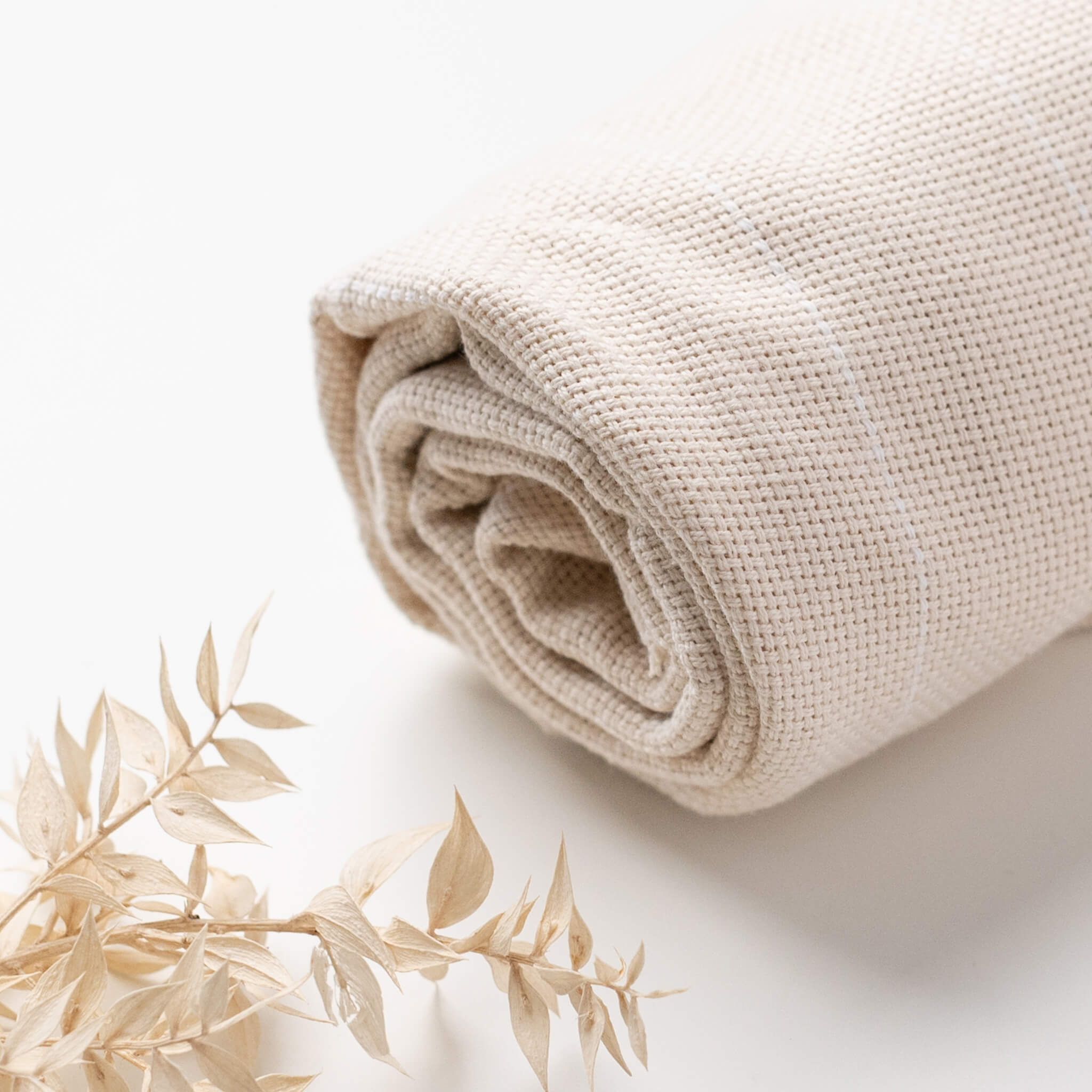
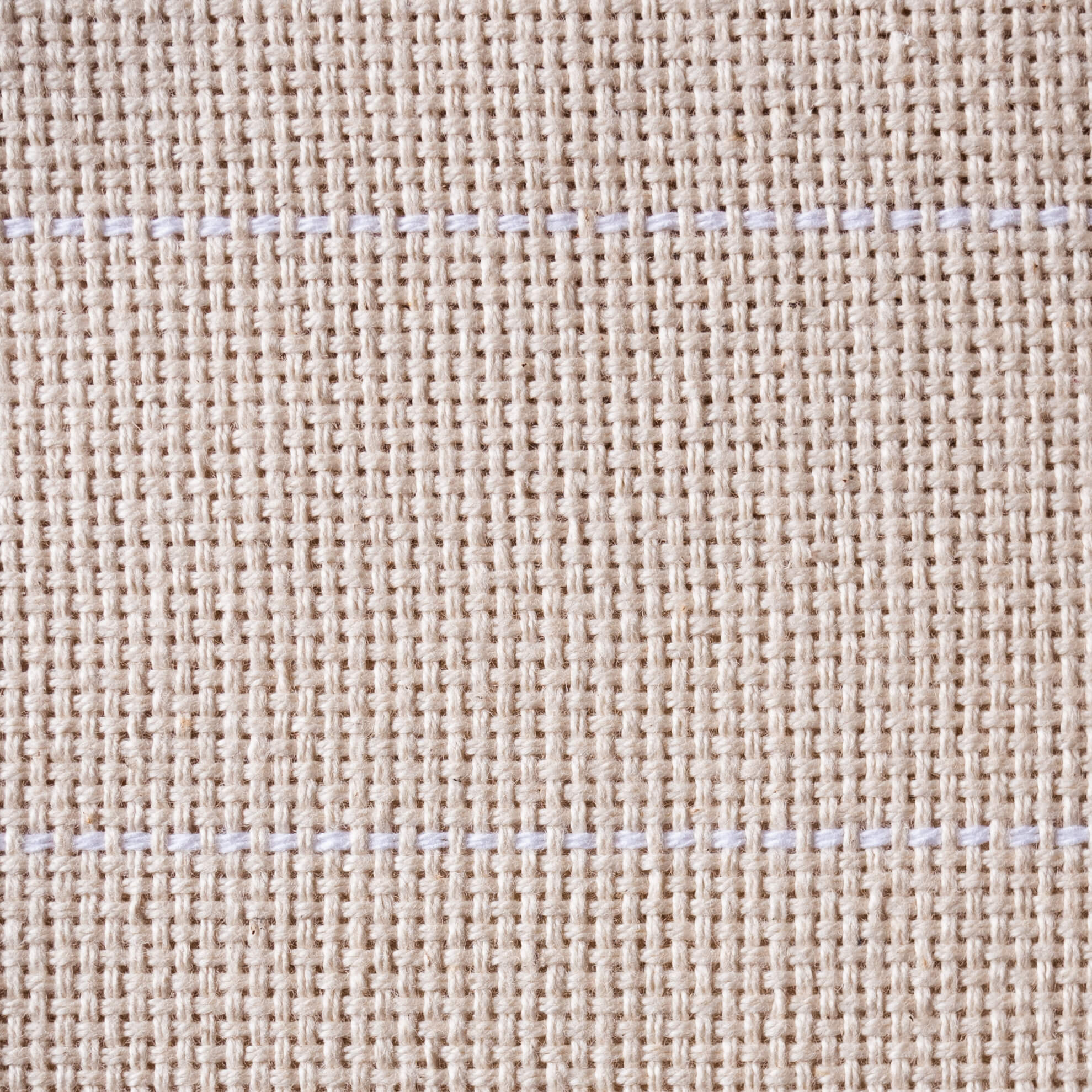
This is the foundation of your punch needle project. A good foundation fabric will allow for a more hardwearing project that will last the test of time. The selection can be a little overwhelming. If in doubt, choose monks cloth. It's a fabric specifically designed for punch needle, easy to use and forgiving for beginners yet durable enough to make rugs with.
Read more: Beginners' guide to punch needle fabrics
Yarn or thread
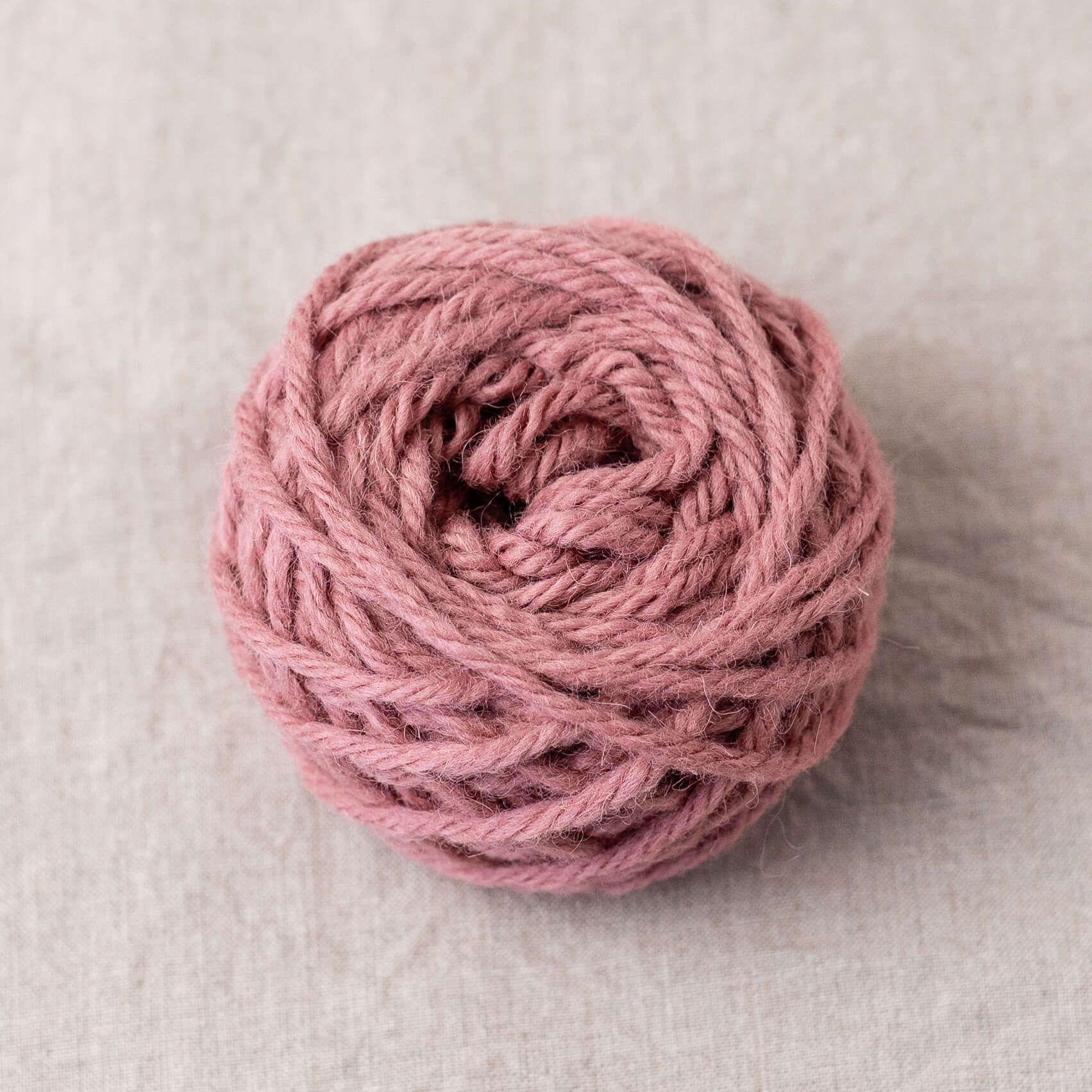
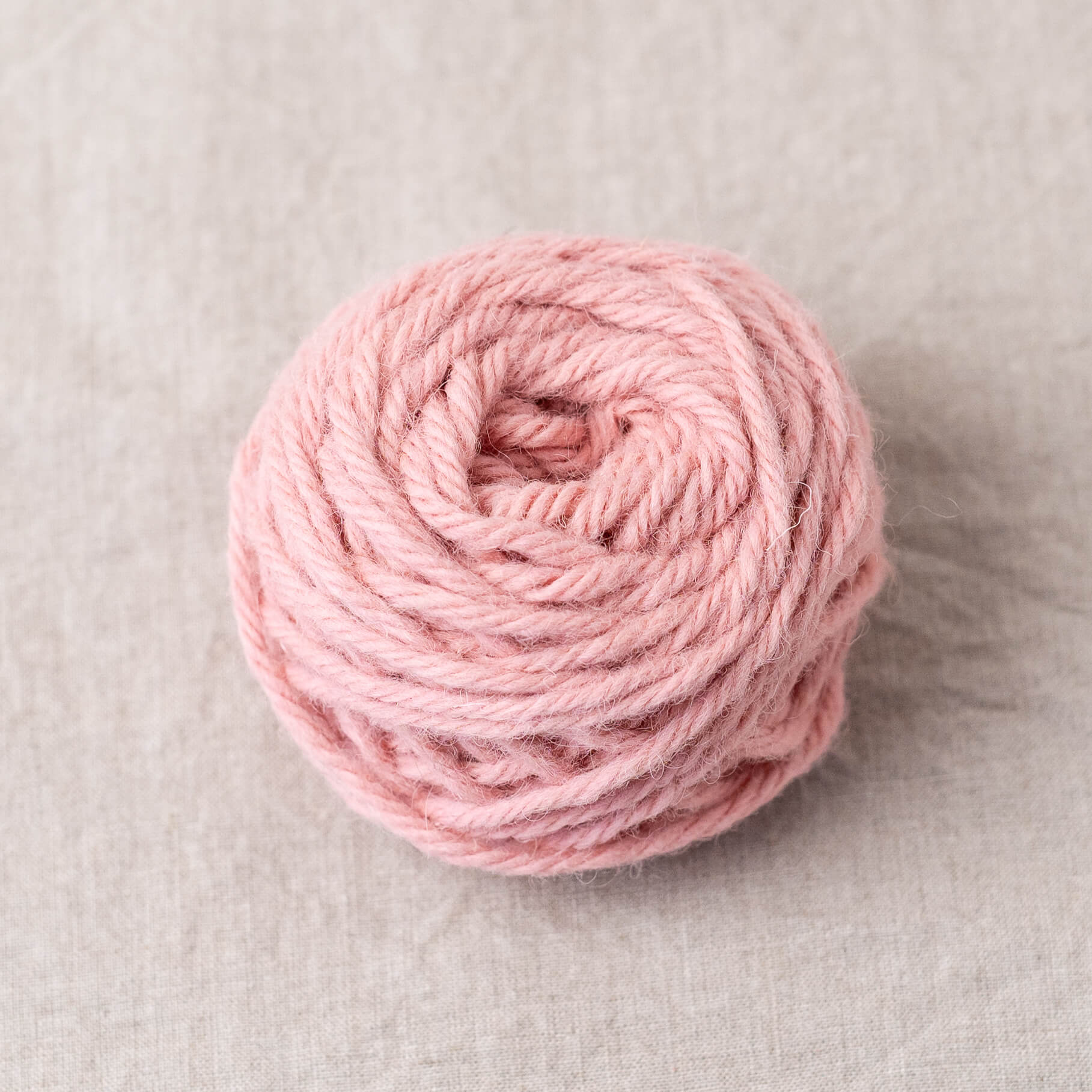
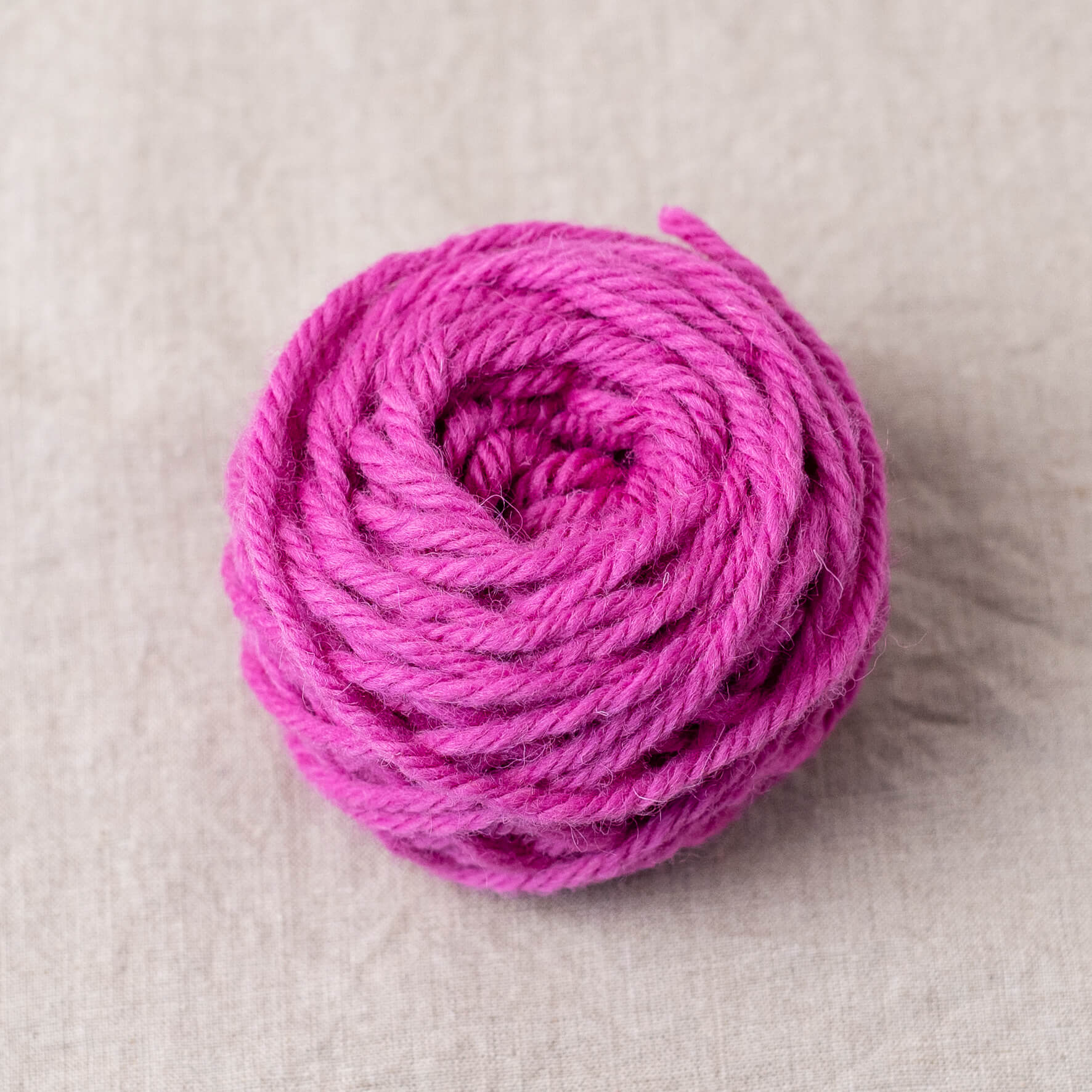
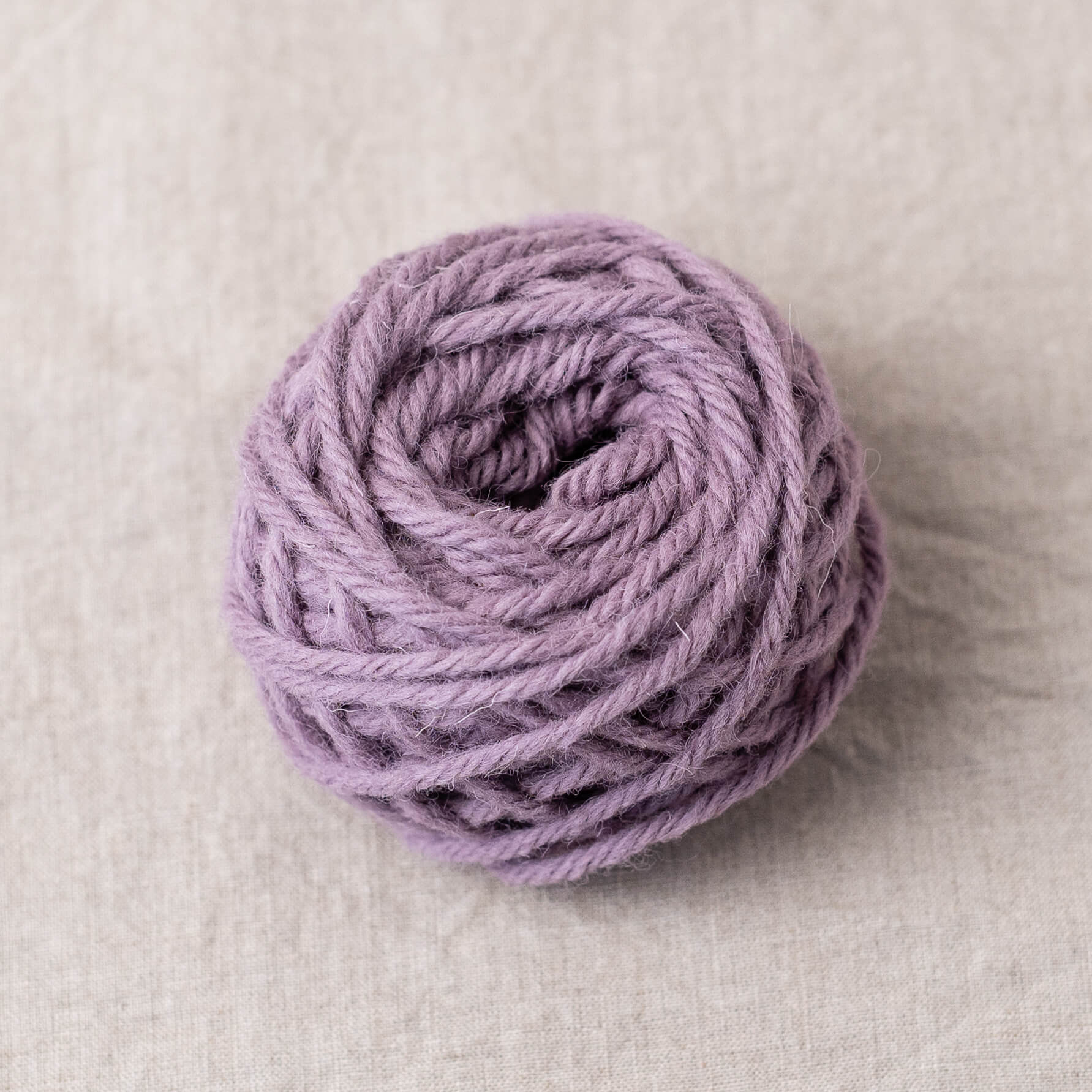
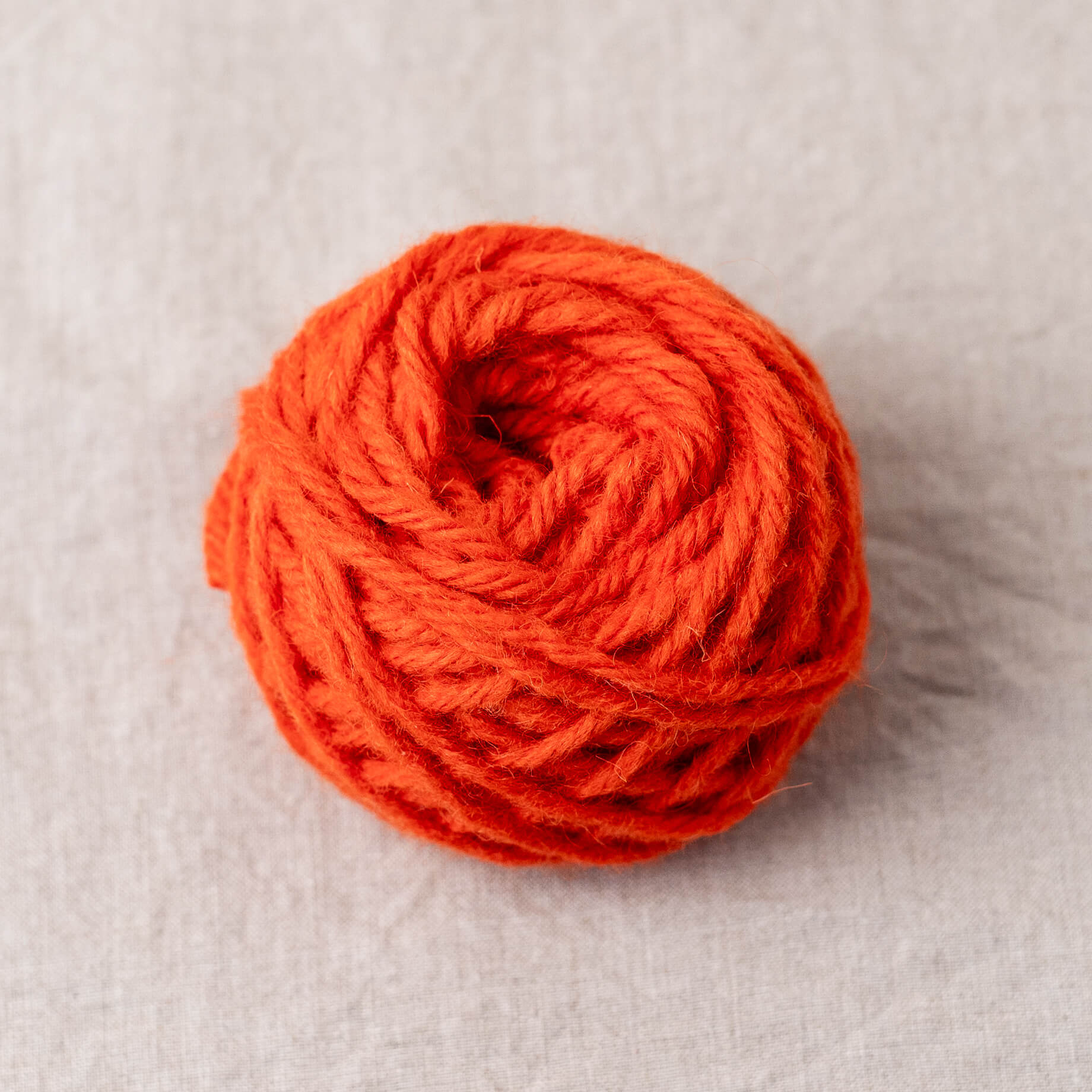
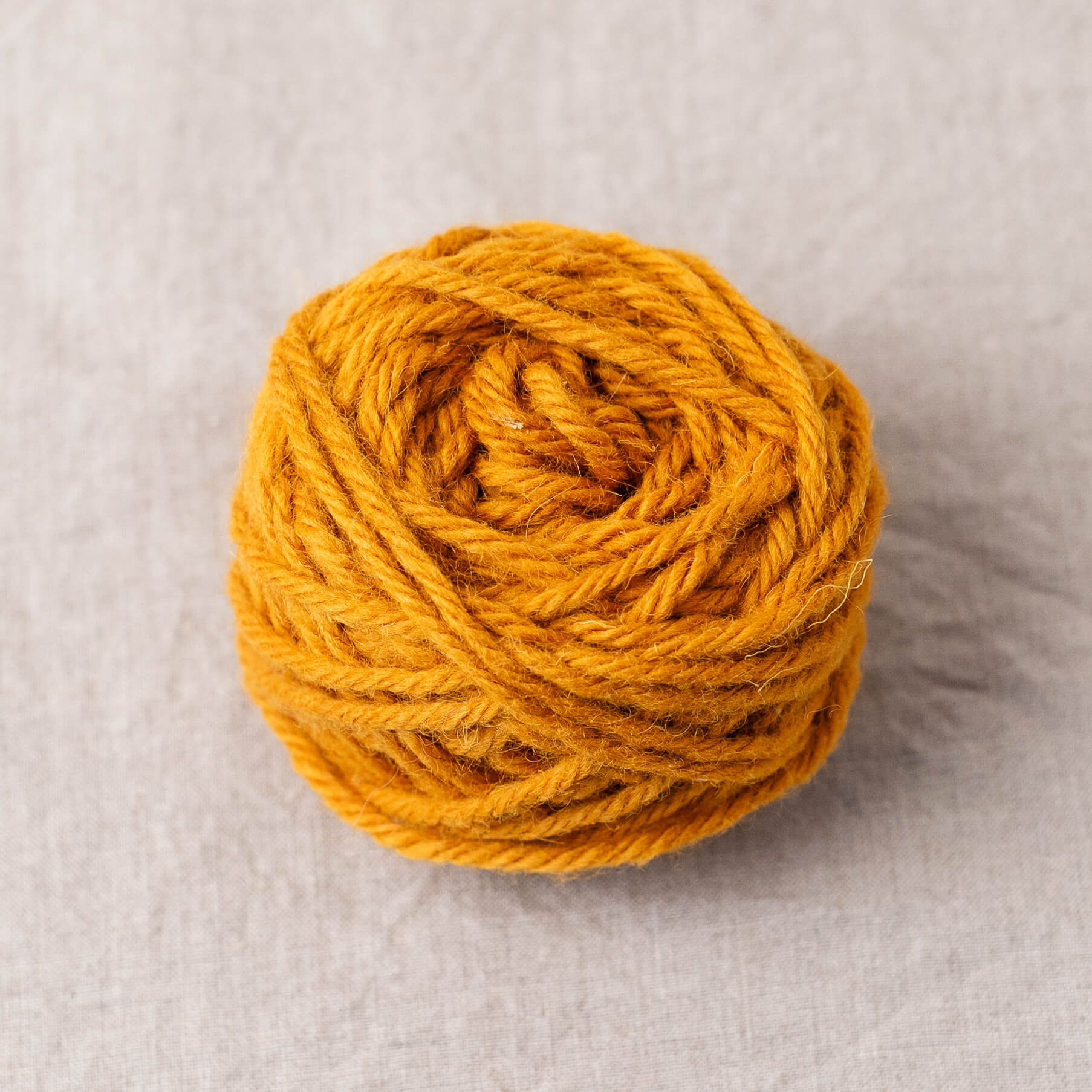
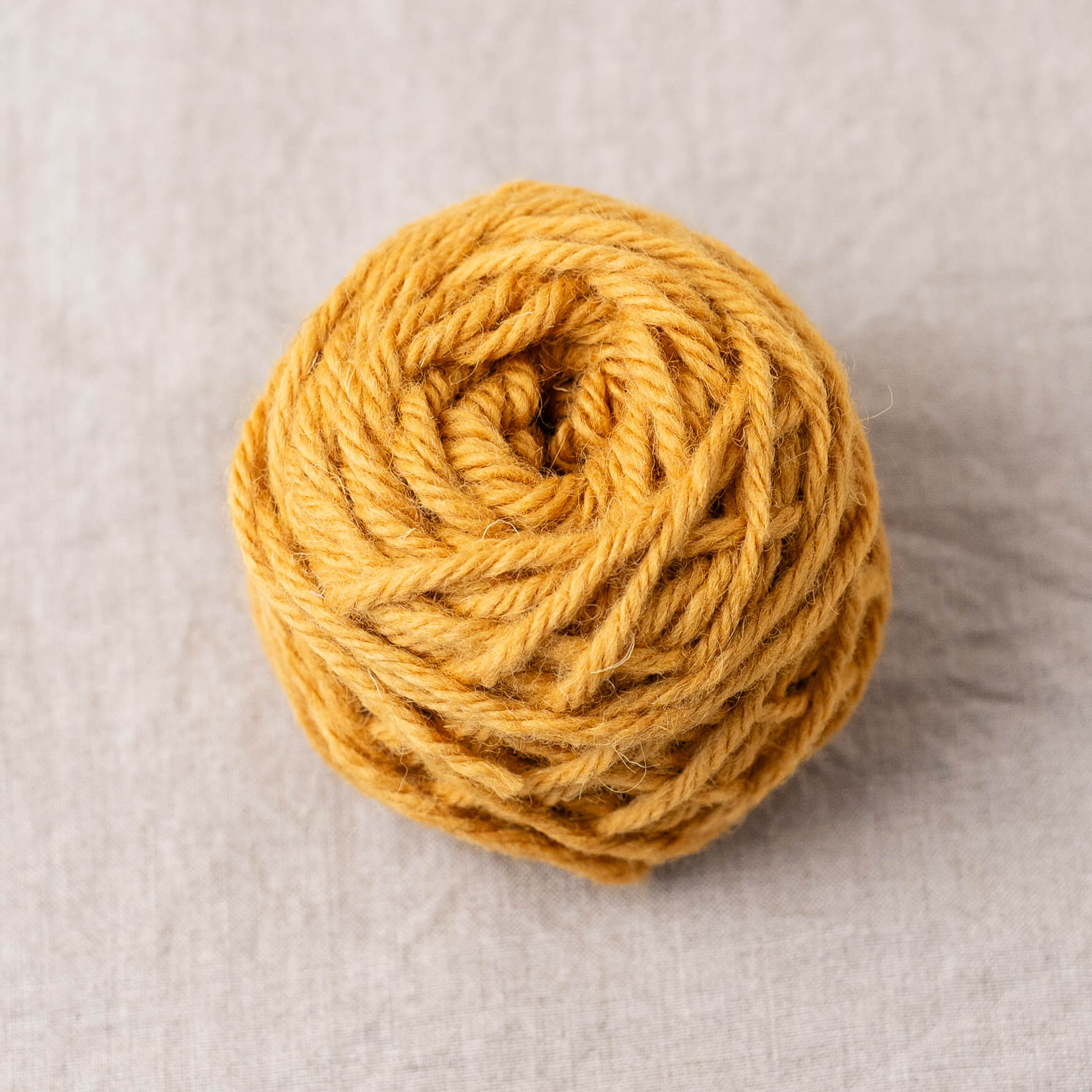
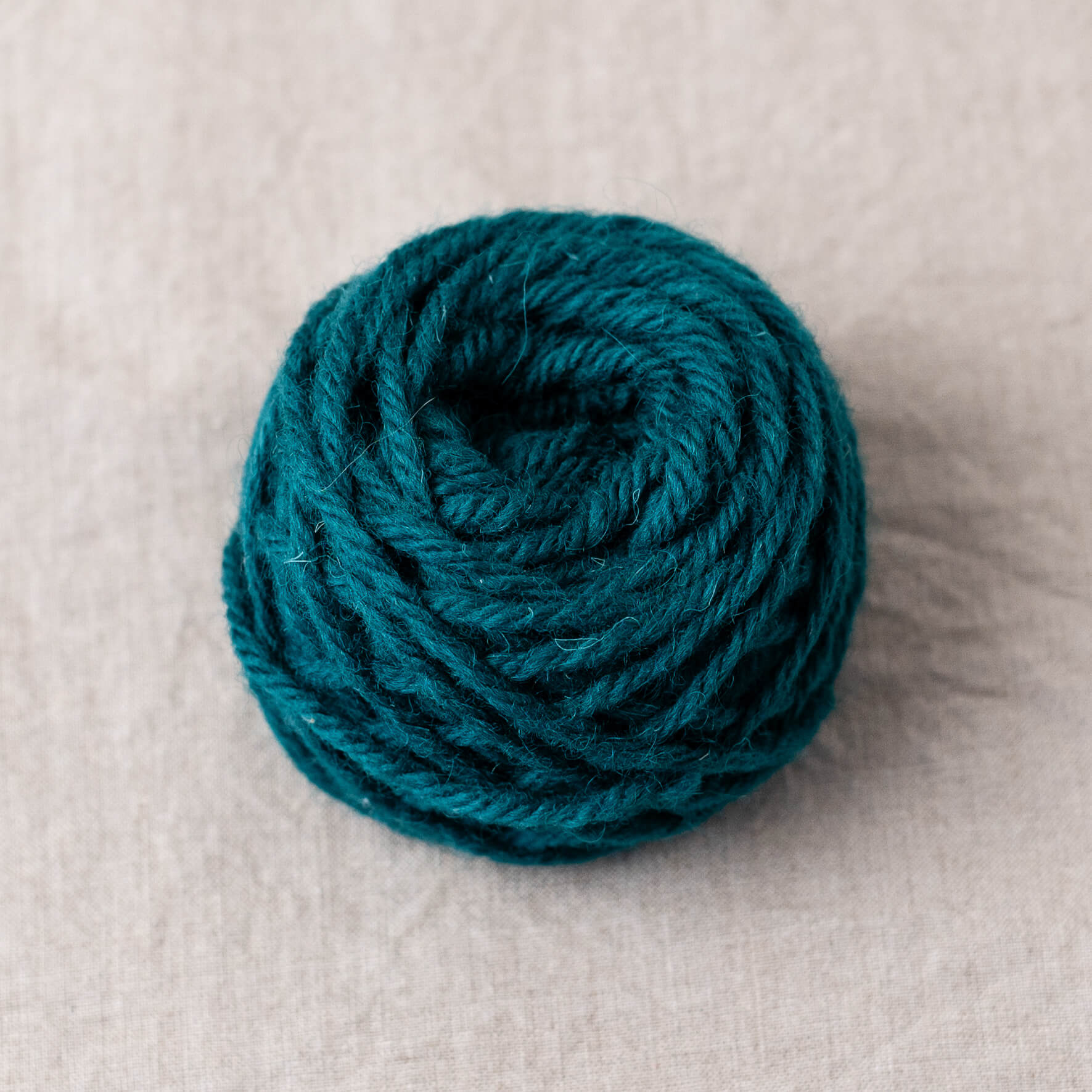
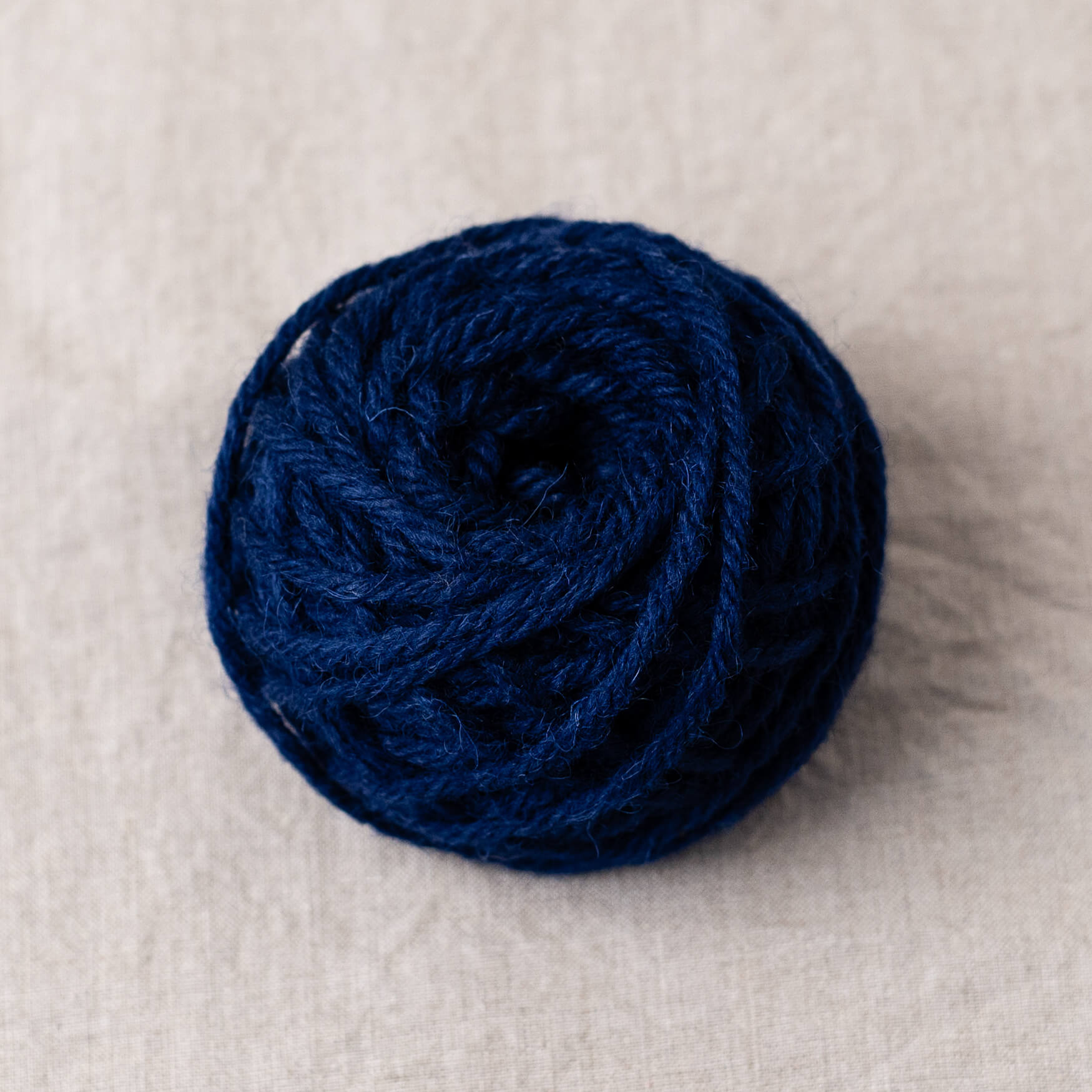
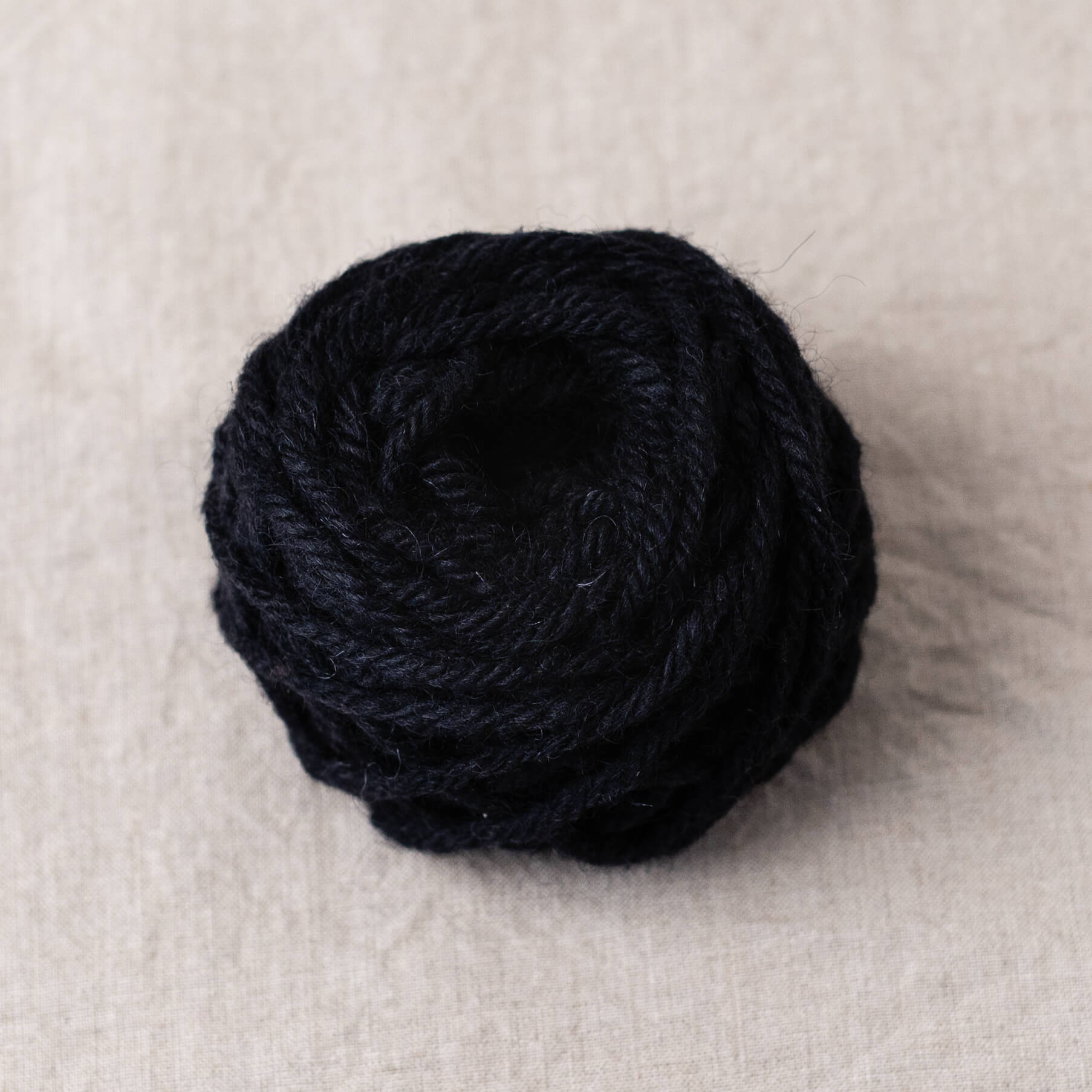
From chunky 100% wool for rugs to cotton or blended yarns for art pieces or homewares, your yarn choice sets the texture and feel of the final piece. The tool you use will dictate which yarn you're able to use. Decide on the project first, then choose the appropriate tool and yarn.
Read more: Which yarn should you use for punch needle?
Hoop or frame
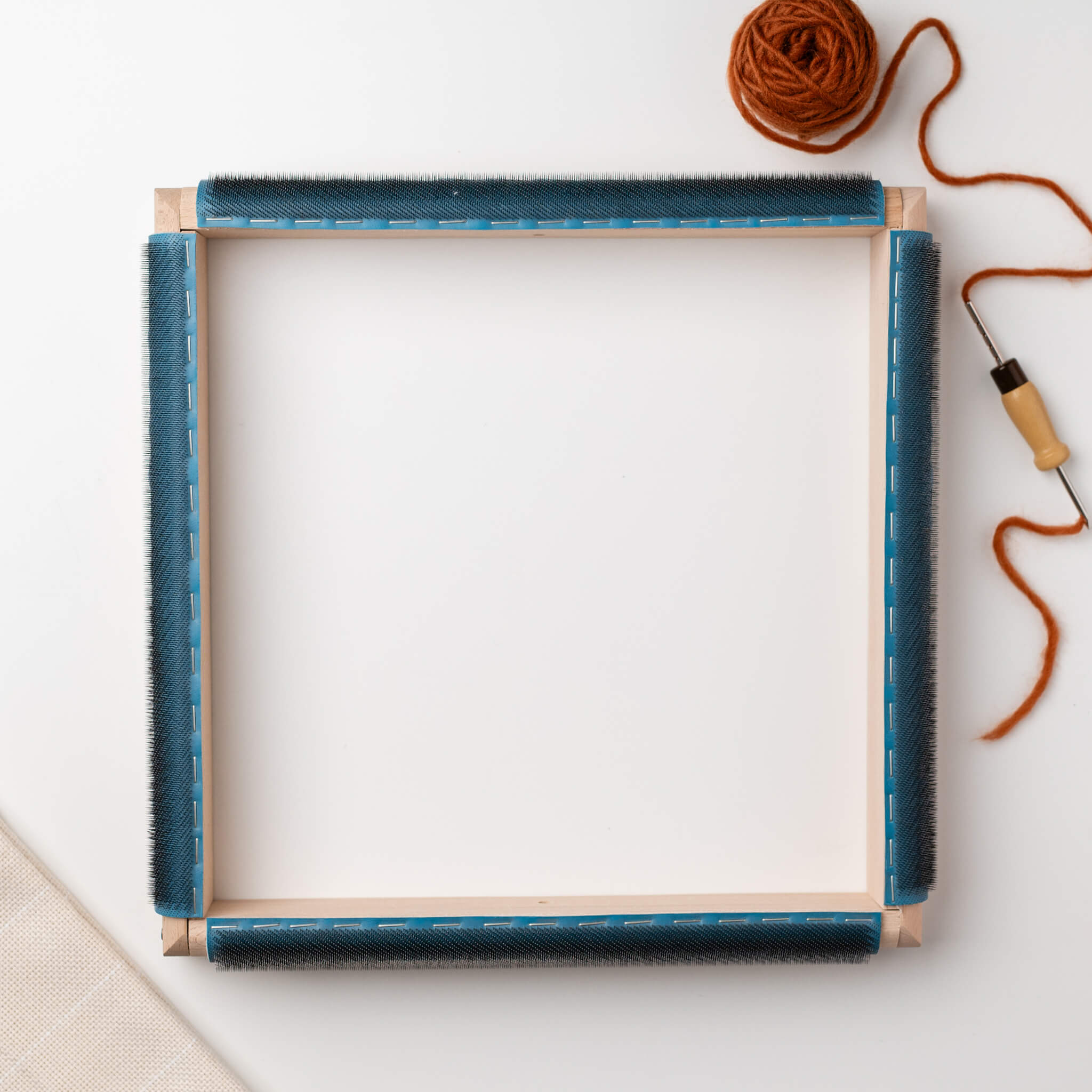
Stretching your fabric taut makes the punching easier and keeps your loops neat whether that’s in a hoop or a gripper frame. Spending a bit of time to prepare and get your fabric as tight as possible will make for a more pleasant punching experience. Ideally you want to stretch once and the fabric stays put. Investment materials are gripper frames and no slip hoops, but they're worth every penny.
Read more: How to choose a frame or hoop for your project

How punch needle works: the basics
A punch needle works by pushing a continuous length of fibre through a foundation fabric under tension. On the working side it forms flat stitches and on the underneath it forms loops. The loop side is more hardwearing and traditionally the 'right' or finished side, due to it's durability.
- Stretch your fabric on a frame or hoop
- Thread your needle (some will require a threader, others won't)
- Push your needle down
- Lift up and move forward
- Push down again
That's it, it's that simple! Once you've got the hang of it it's such a lovely, meditative craft. Just enough concentration required to keep you present, but not too challenging that it's mentally tiring. Very relaxing indeed.

Is punch needle easy to learn?
Such a common question that I've written a whole post on it. Everyone wants to know, is this going to be taxing to learn. I know the feeling. I want to learn how to sew and make my own clothes, but sometimes the idea of having to engage my brain after a day of work and parenting, is just too much. But that's why I love punch needle so much. I really believe it's an accessible craft that anyone can learn. Yes there can be pitfalls along the way with materials or technique, but I am here to help you at each step. If you want to shortcut it, choose a book or kit to get you started.
Read more: Is punch needle easy?
Book: Weekend Makes: Punch Needle

Ready to jump in and get started?
I don't blame you. I still remember the joy of making my first piece back in the autumn of 2017. Once I started I was completely hooked. I started with a small hoop but then my second project was a massive cushion, always the overachiever. It was actually quite fun having such a large second project as it really allowed me to explore different yarns and practice my technique.
And if you need any help, I'm always just an email away.