
Which Oxford punch needle should you buy?
If you’re thinking about investing in an Oxford punch needle, one of the first questions you’ll probably ask is:
Which Oxford punch needle do I need?
It’s also one of the questions we’re asked most often at Whole Punching.
With regular and fine needles, five different sizes, different loop heights and varying yarn compatibility, choosing your first Oxford punch needle can feel overwhelming.
The good news is that there isn’t a “best” Oxford punch needle only the best one for the type of projects you want to make.
Whether you’re planning to make rugs, cushions, wall hangings or coasters this guide will help you understand exactly how the Oxford range works so you can choose confidently.
As a Certified Oxford Punch Needle Instructor, I’ve taught hundreds of people to use Oxford punch needles through workshops and online courses. This guide combines that practical experience with Oxford’s own guidance to answer the questions you ask before buying.

Why choose an Oxford punch needle?
Oxford punch needles have become the benchmark for modern punch needle.
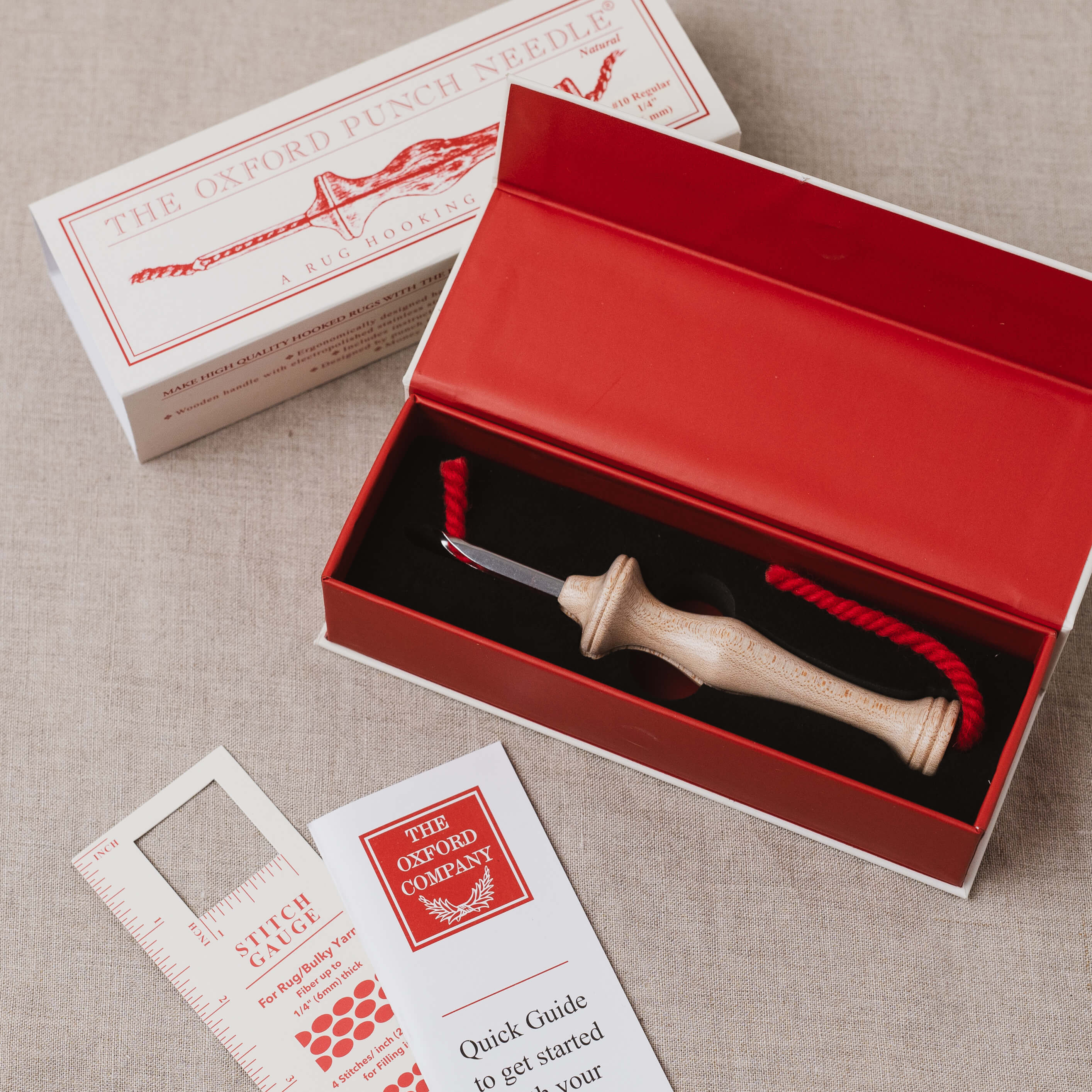
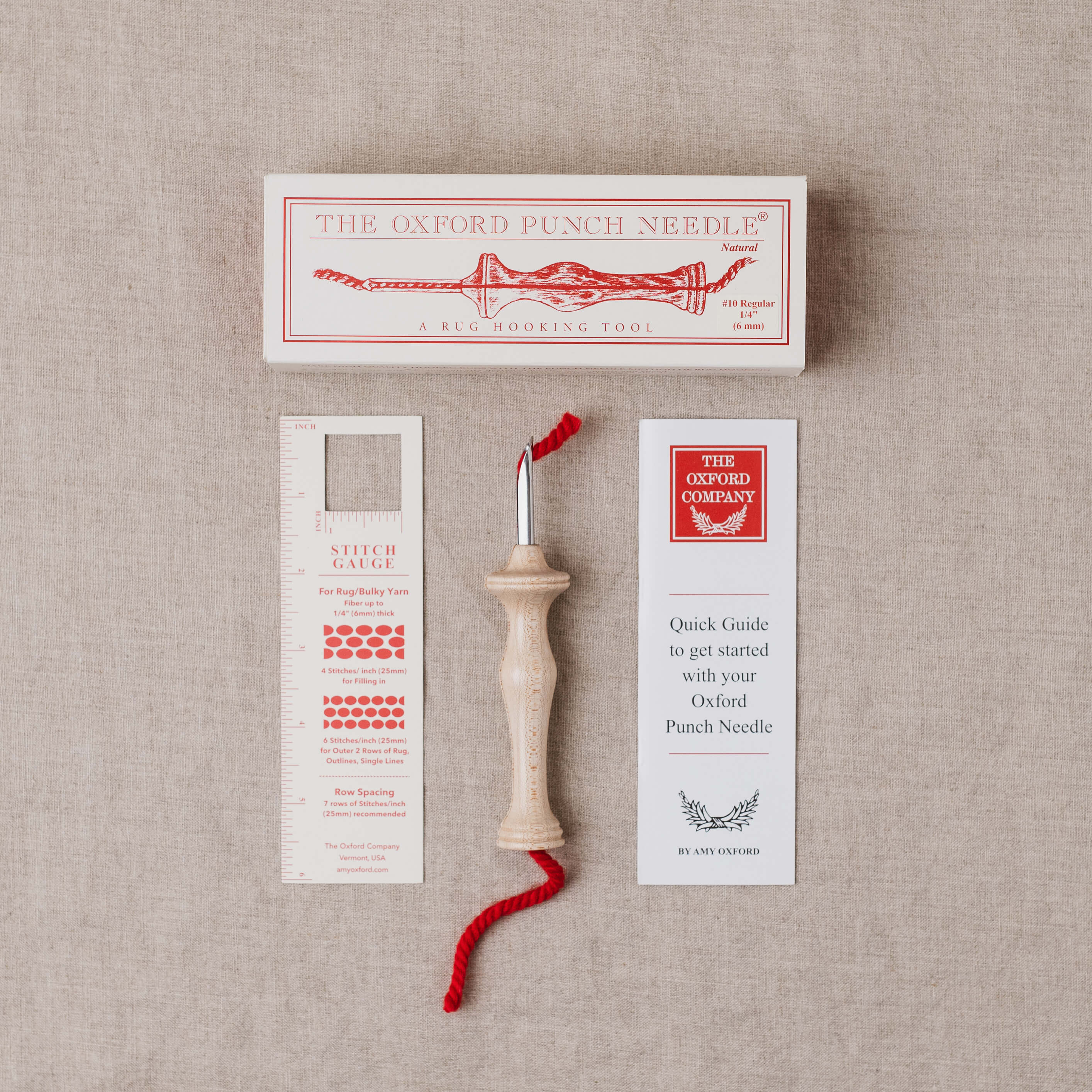
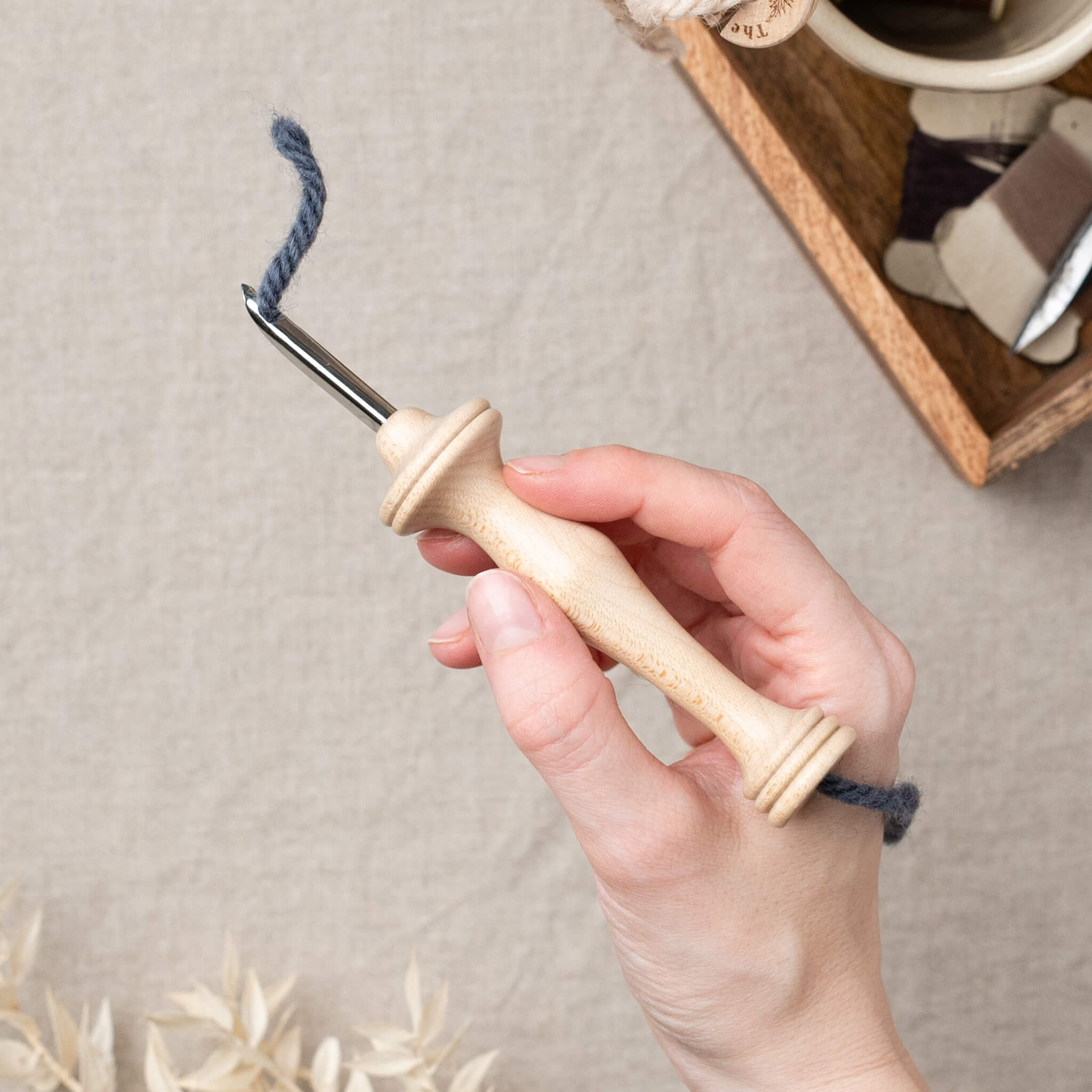
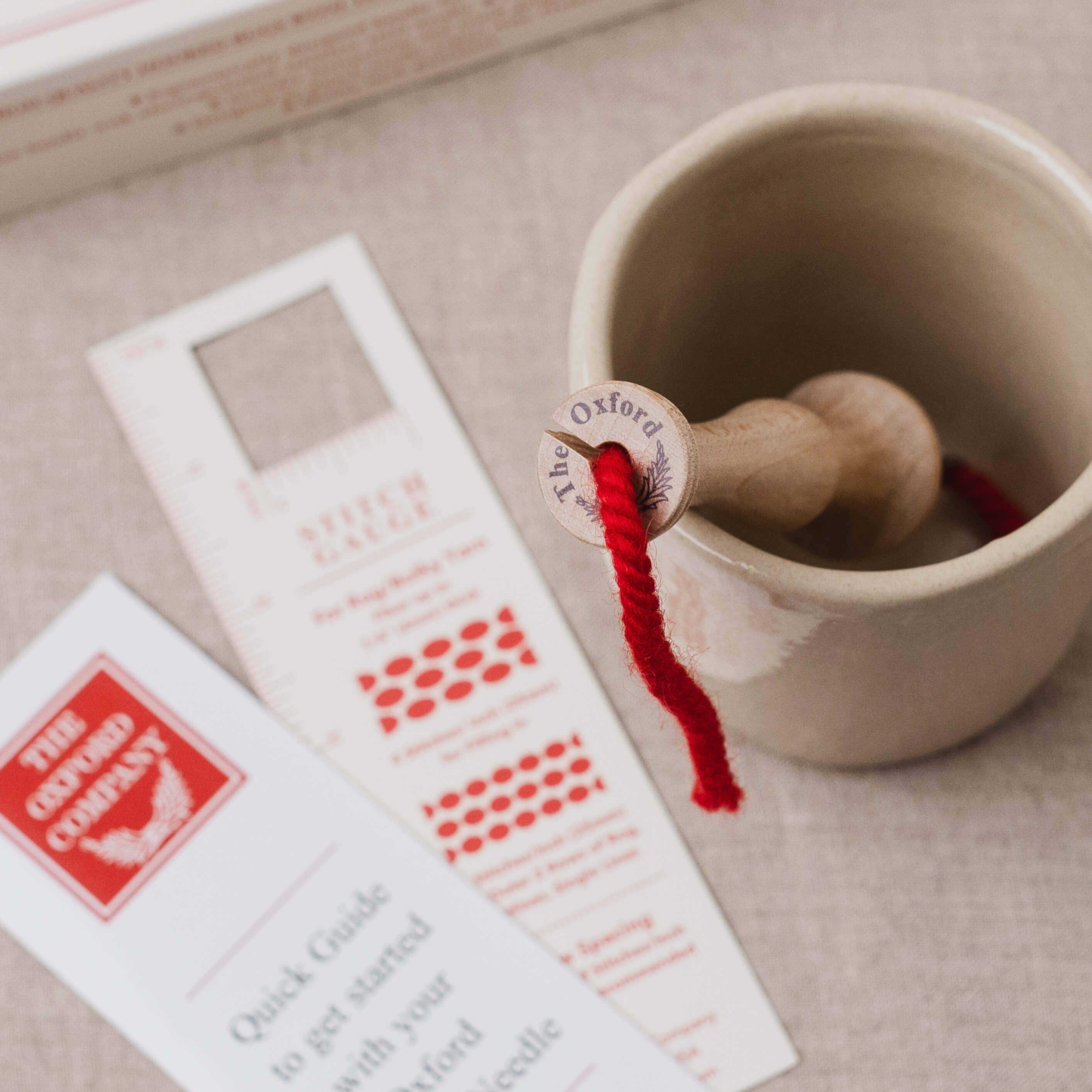
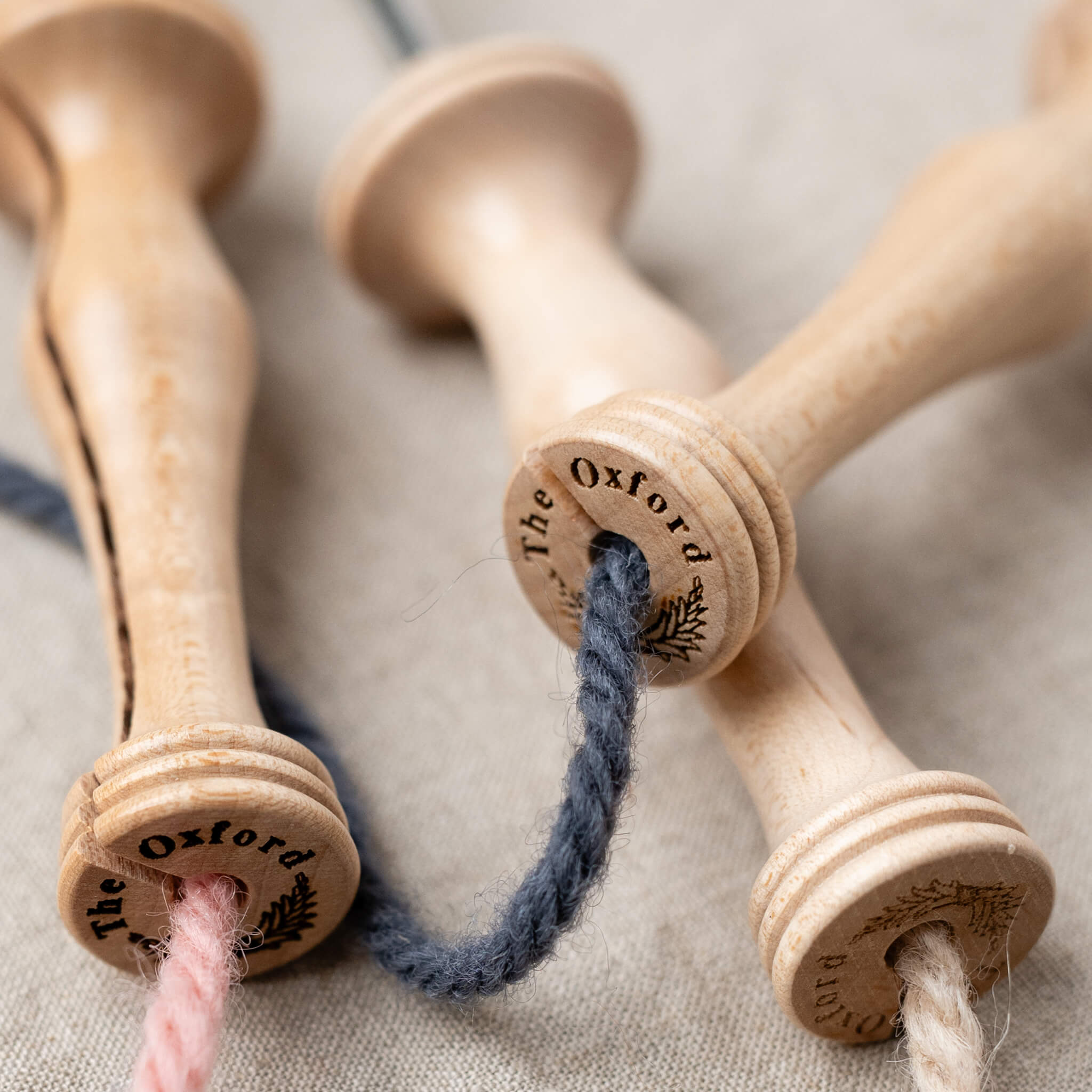
Designed by Amy Oxford in the USA, they are known for their ergonomic wooden handles, precision manufacturing and smooth threading system that doesn’t require a separate threader.
Unlike many adjustable punch needles each Oxford needle is engineered to create one specific loop height. This consistency makes it easier to produce beautifully even stitches across an entire project.
Many makers also find Oxford punch needles particularly comfortable during longer punching sessions thanks to their shaped wooden handles.
Although they’re often considered a premium punch needle, they’re designed to last for many years with proper care and come with a lifetime money back guarantee. Yes even if your dog eats it!
Understanding the Oxford range
One of the biggest misconceptions is that the numbers (#8, #9, #10, #13 and #14) refer to the thickness of the needle, they don’t.
Instead, each number represents a different loop height. The lower the number, the longer the loop. I know it feels a bit confusing at first but you won’t worry about it after a little while.
The range is divided into two families:
Oxford regular
Regular Oxford needles were the first needles that Amy designed for thicker rug yarns making them ideal for:
· rugs
· cushions
· larger wall hangings
· upholstery style projects
· textured home décor
Oxford fine
Fine Oxford needles use thinner aran or worsted weight yarns and create more delicate work. They’re ideal for:
· detailed illustrations
· lettering
· portraits
· coasters
· decorative wall art
· small projects
Many experienced punch needlers eventually own both regular and fine needles because each produces a different style of work.

What do the numbers actually mean?
The number of an Oxford punch needle refers to the length of loop that it creates. Amy Oxford modelled the Oxford punch needle on the Craftsman punch needle. The Craftsman punch needle was an adjustable punch needle with ten different loop heights! It had a plastic handle, was a little difficult to adjust and not very comfortable when punching for long periods of time.
Amy wanted to make a new punch needle that was more comfortable. She took her three favourite loop lengths from the Craftsman (settings 8, 9 and 10) and turned them into their own punch needles.
As the regular punch needles became popular, people started to request a finer needle. With a finer needle came the requirement for shorter loops and so the #13 and #14 fine punch needles were born.
Which Oxford punch needle is best for beginners?
If you’re buying your very first Oxford punch needle and you want to work with chunky yarn our recommendation is usually:
Oxford #10 regular
Why? Because it offers the best balance between:
· forgiving stitch size
· excellent yarn availability
· versatile project options
· easy learning curve
· shorter loops so less yarn used
It works beautifully for:
· rugs
· cushions
· wall hangings
· decorative home accessories
If you prefer decorative wall art rather than rugs, the #10 fine is another excellent first choice.

Regular vs fine, which should you choose?
Choose regular if you want to make:
· rugs
· seat pads
· floor mats
· chunky cushions
· highly textured home décor
You’ll normally use rug yarn and monks cloth.
The finished work feels soft, plush and substantial.
Choose fine if you want to make:
· small artworks
· landscapes
· portraits
· lettering
· decorative hoops
· framed artwork
You’ll typically use knitting yarns rather than rug yarns, allowing for much greater detail.

Choosing by project
Rugs
Recommended:
· #8 regular
· #9 regular
· #10 regular
If you want your rug to feel slightly plus underfoot then we suggest using a #9. Using a #10 will use less yarn for a large area compared to an #8 or #9.
Cushions
Our favourites are:
· #9 regular
· #10 regular
These produce enough texture without becoming too bulky for finishing.
Wall hangings
Almost every Oxford needle works for wall art. Choose based on the amount of detail you want.
Large abstract designs suit regular needles beautifully. Detailed illustrations generally suit the fine range.
Textile illustration
If your goal is intricate flowers, animals or portraits, look at:
· #13 fine
· #14 fine
These create beautifully refined stitches.

Which yarn works with each Oxford punch needle?
Matching the yarn to the needle is just as important as choosing the right size. Using yarn that’s too thick makes punching difficult. Using yarn that’s too fine can produce loose stitches and uneven coverage.
As a general guide:
· Regular – use chunky rug yarn
· Fine – use aran or worsted weight yarn
Yarns made of a natural fibre such as cotton or wool generally produce the best results because of their grip within the foundation fabric. Acrylic yarn can be used but you may find it slips in the needle or fabric which can cause uneven loops.

Which fabric should I use?
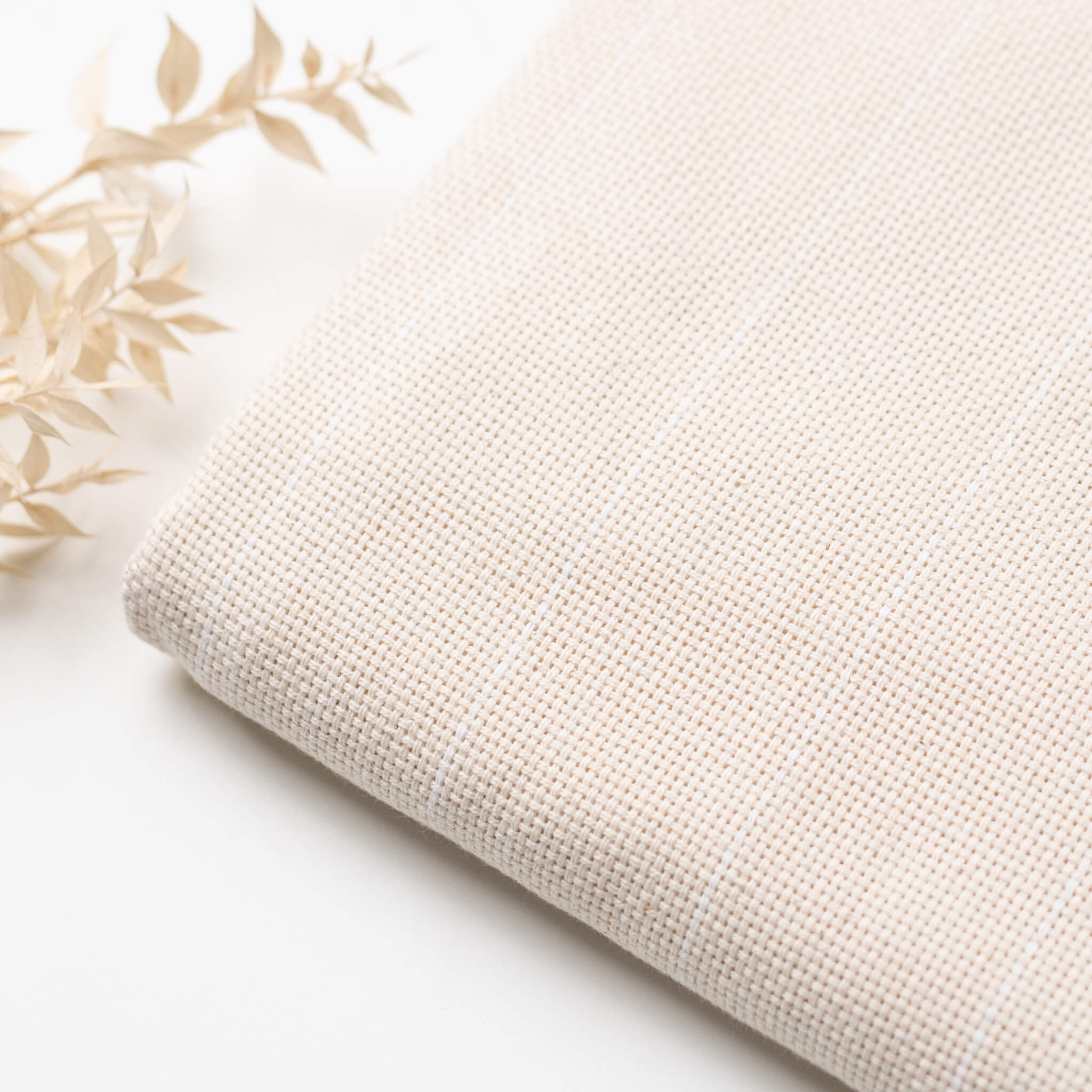
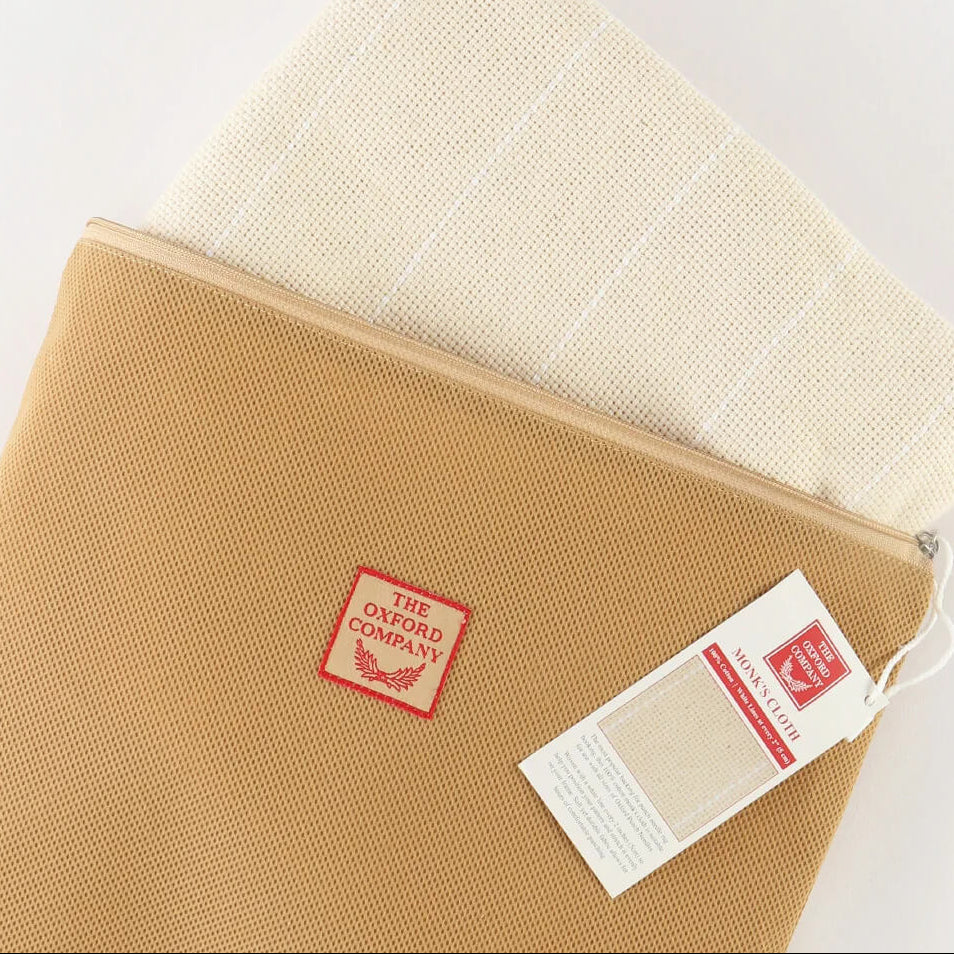
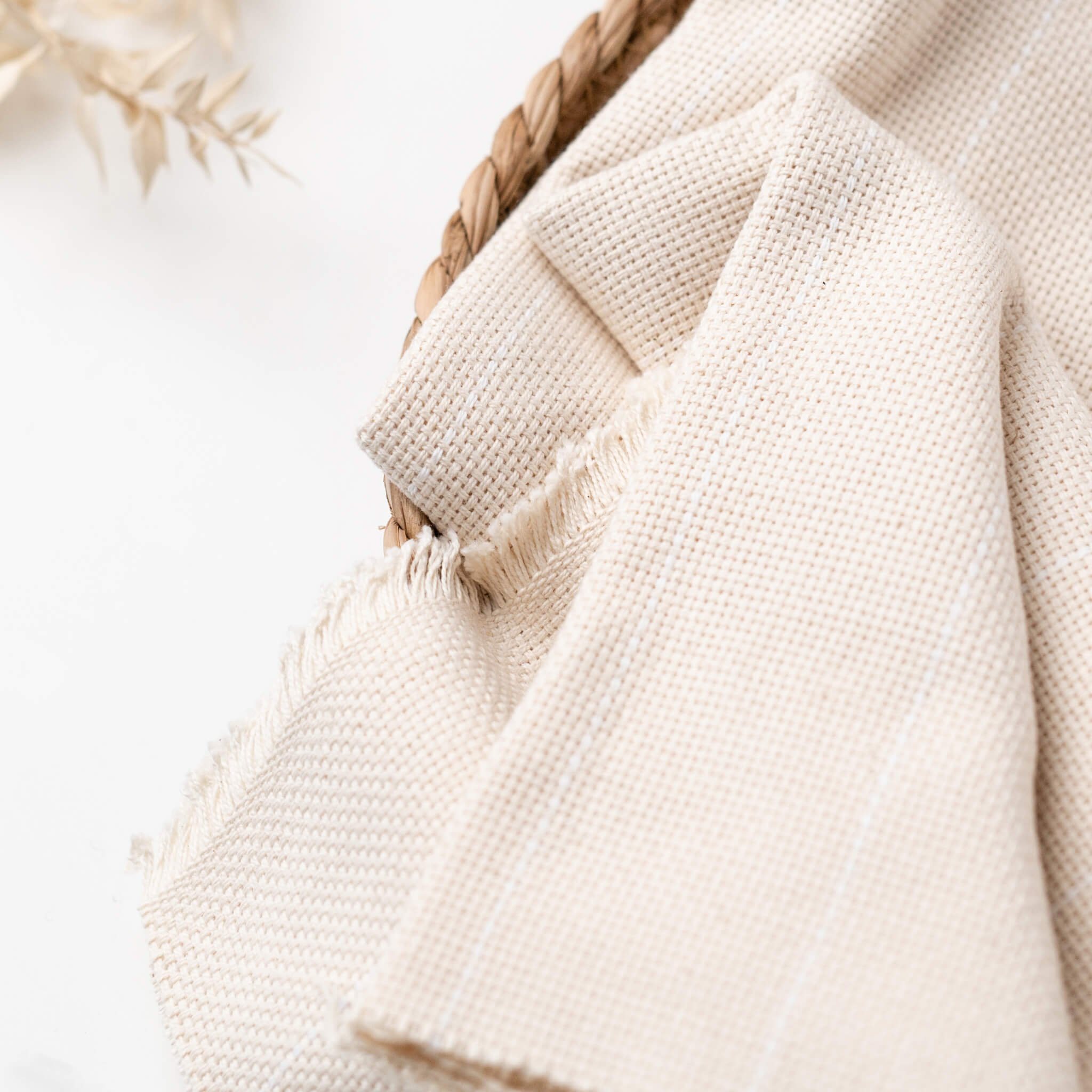
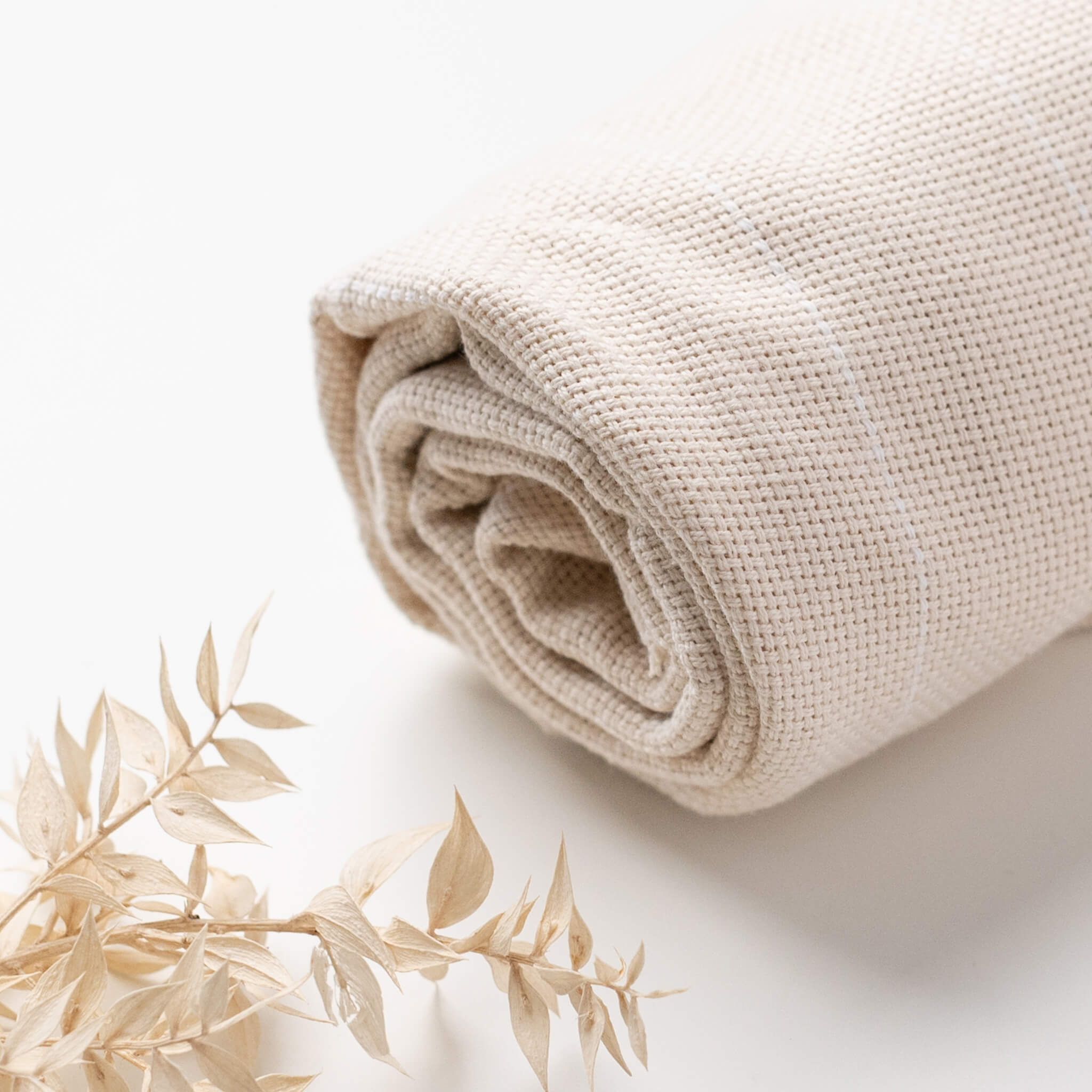
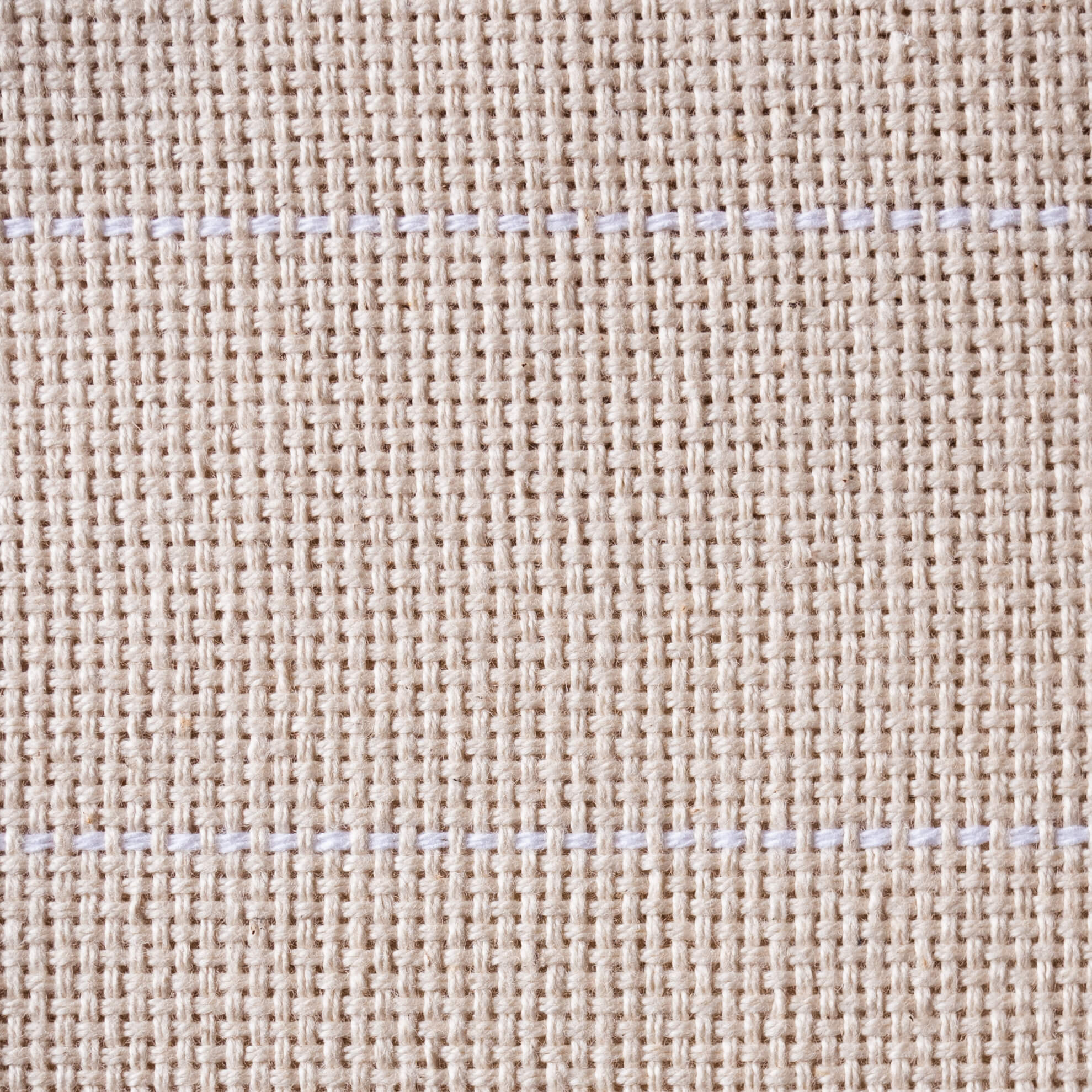
Oxford punch needles perform best with foundation fabrics designed specifically for punch needle. Monks cloth is a loose evenweave cotton fabric designed for punch needle and rug hooking. It’s woven with a double strand which makes it durable but also forgiving for beginners due to the ability to frog your work (pull the loops out and re-punch).
When purchasing monks cloth check it has a count of 12-13 holes per inch or 24-26 threads per inch. This ‘count’ works well with both the fine and regular Oxford punch needles.
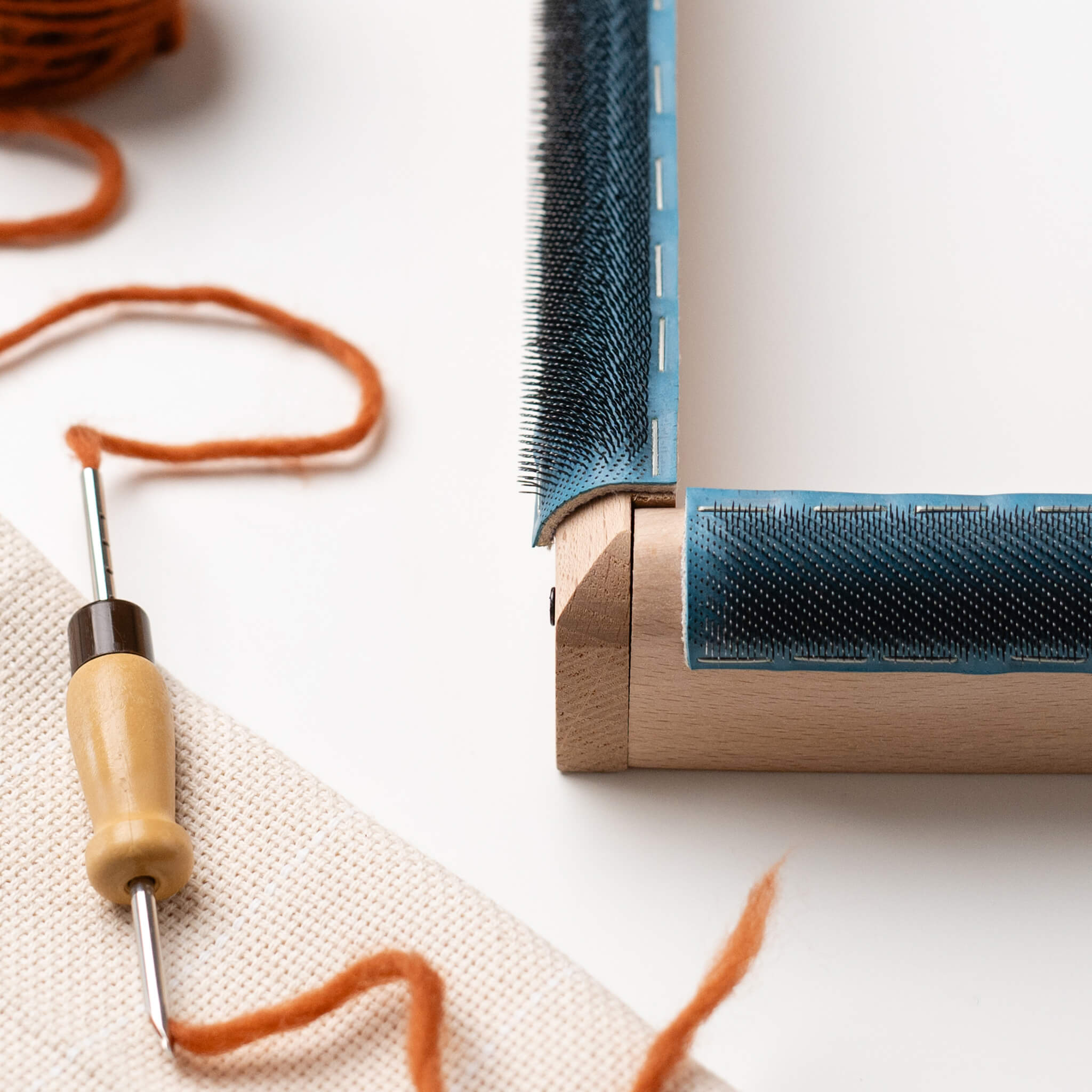
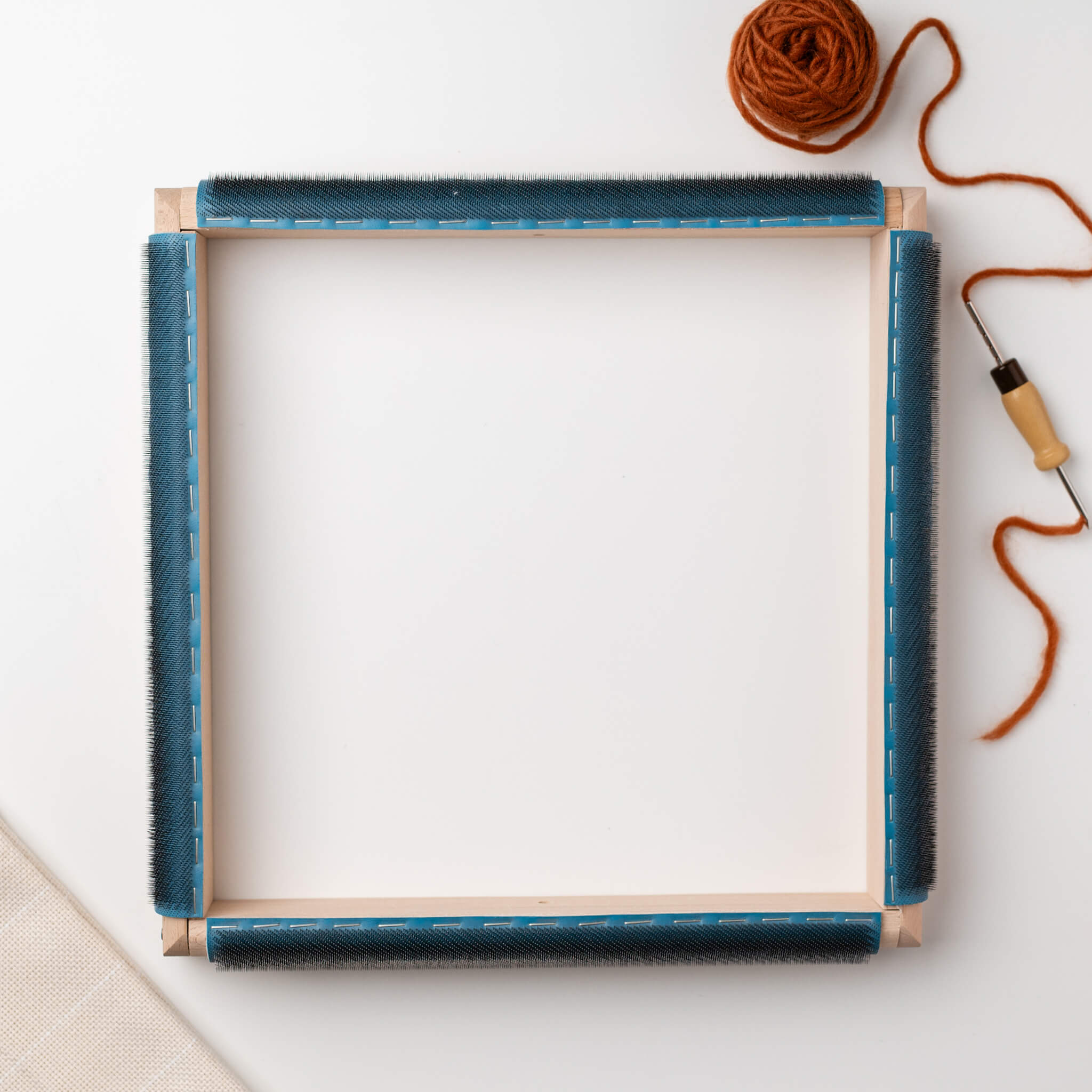
Whatever fabric you choose, the most important thing is that it is stretched drum tight before you begin punching. Proper tension makes punching easier, helps create even loops and reduces the risk of loops pulling out. This is a key principle taught throughout our introductory online course.

Oxford vs Lavor
This is another question we’re frequently asked. Both are excellent brands of punch needles but they suit different needs.
Oxford punch needles have fixed loop heights and are designed to deliver exceptional consistency.
Lavor punch needles are adjustable allowing you to experiment with different loop heights using the same tool. Whole Punching’s Lavor guides explain how changing the needle setting alters the finished texture, making them a flexible option for beginners who want to explore different effects before investing in additional tools.
If you’re looking for a long term tool that will become part of your regular practice, many makers choose Oxford.
If you’re still experimenting with punch needle or want the flexibility of adjustable loop heights, Lavor is an excellent alternative.

Frequently asked questions
Which Oxford punch needle should I buy first?
For most people, the #10 regular is the most versatile choice. If your focus is decorative wall art using knitting yarn, consider the #10 fine instead. Both of these needles create the same loop length which is fairly short and neat.
Are Oxford punch needles worth the price?
Many makers find they are. Their build quality, consistency and comfortable design make them tools that can be used for years. Amy Oxford has over 30 years experience of rug making that she has poured into designing this tool.
Can beginners use Oxford punch needles?
Absolutely. In fact, many beginners find them easier to thread and more comfortable to use than lower cost alternatives.
Can I use acrylic yarn?
You can, although natural wool often punches more smoothly because it has more grip within the fabric. Punch needle is great for using up leftover scraps of yarn so it’s worth experimenting with what you have before purchasing lots of new yarn.
Do I need more than one Oxford punch needle?
Not to begin with. One versatile needle will allow you to complete many projects before deciding whether you’d benefit from additional sizes.
Which Oxford punch needle creates the fluffiest loops?
The #8 needles create the tallest, plushest loops.

Our recommendations
If you’re still undecided, here’s our quick guide.
Choose the #10 regular if you want:
· one versatile punch needle
· rugs
· cushions
· home décor
· the easiest place to start
Choose the #10 fine if you want:
· wall art
· decorative hoops
· knitting yarn
· finer detail
Choose #13 or #14 fine if you love:
· illustration
· botanical designs
· portraits
· highly detailed work
Continue your Oxford punch needle journey
Once you’ve chosen your punch needle, the right materials make all the difference. Pair your tool with compatible yarn, suitable foundation fabric and a sturdy frame to make learning easier and achieve more consistent results.
If you’re new to punch needle, our Introduction to Oxford Punch Needle online course takes you through every step, from preparing your fabric and threading the needle to creating outlines, filling shapes, finishing your work and caring for your completed project. The course emphasises practical fundamentals such as keeping the fabric drum tight, fully inserting the needle for even loops and using different stitch lengths for outlines and filling areas.
With the right needle and a little practice, you’ll soon discover why Oxford punch needles have become a favourite among punch needle makers around the world.