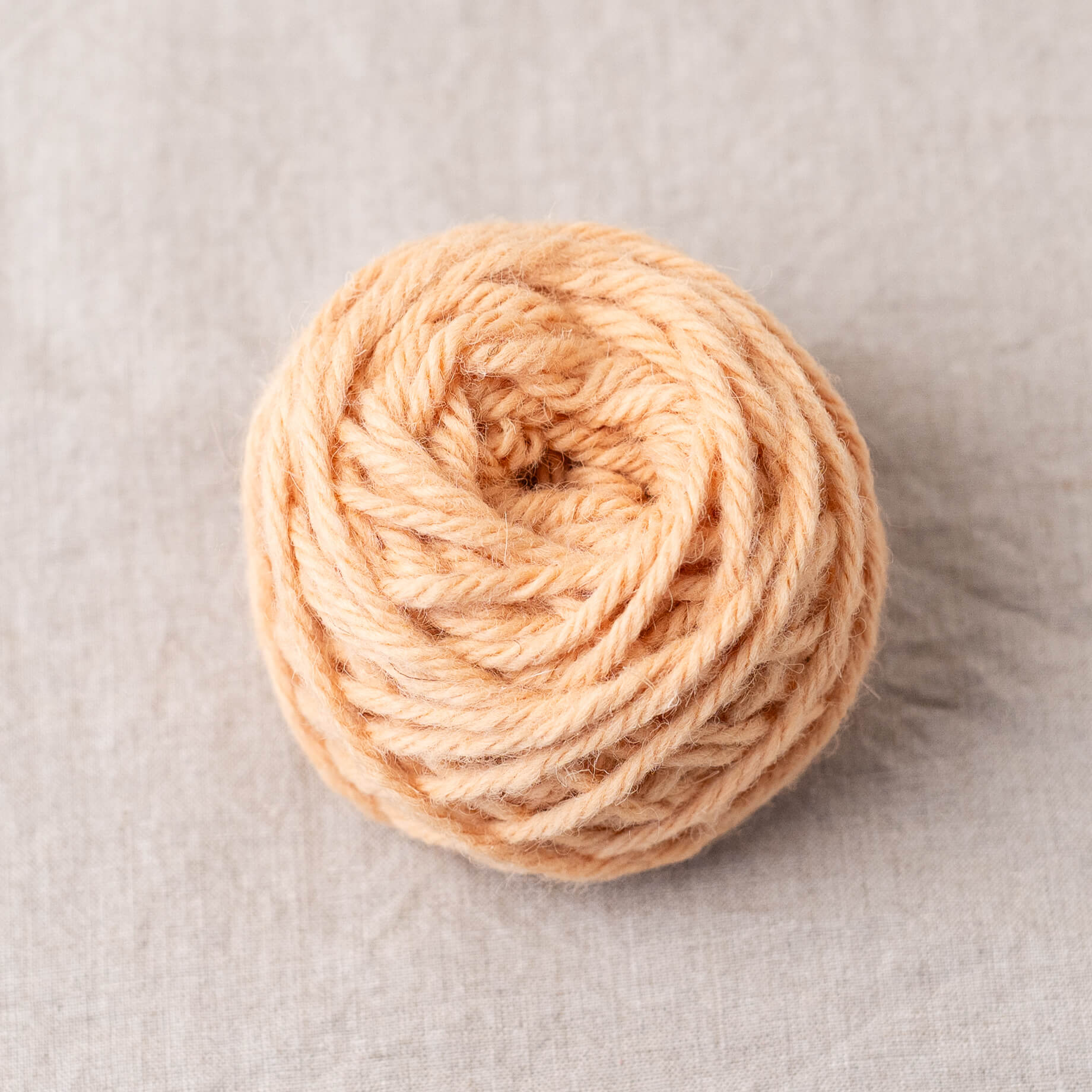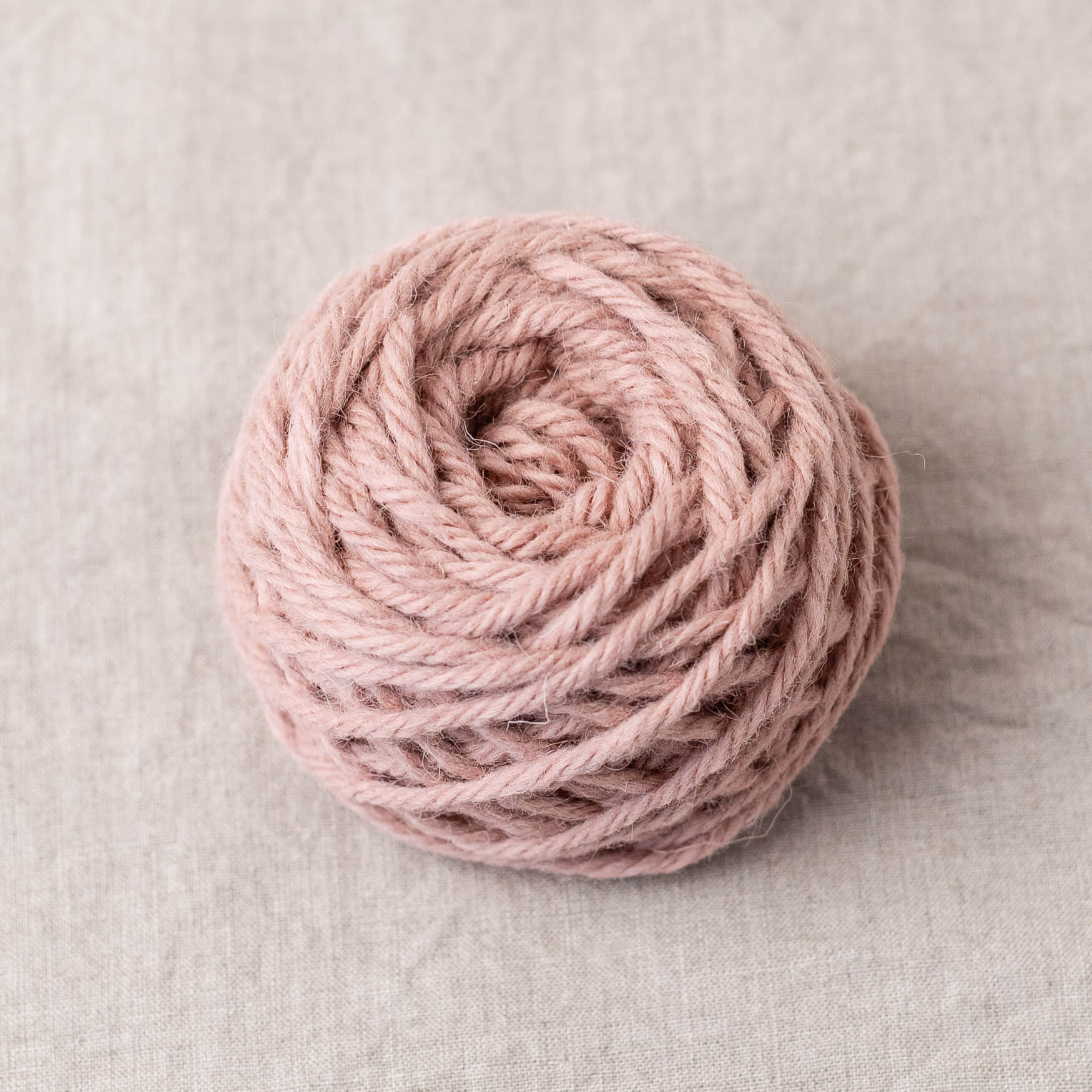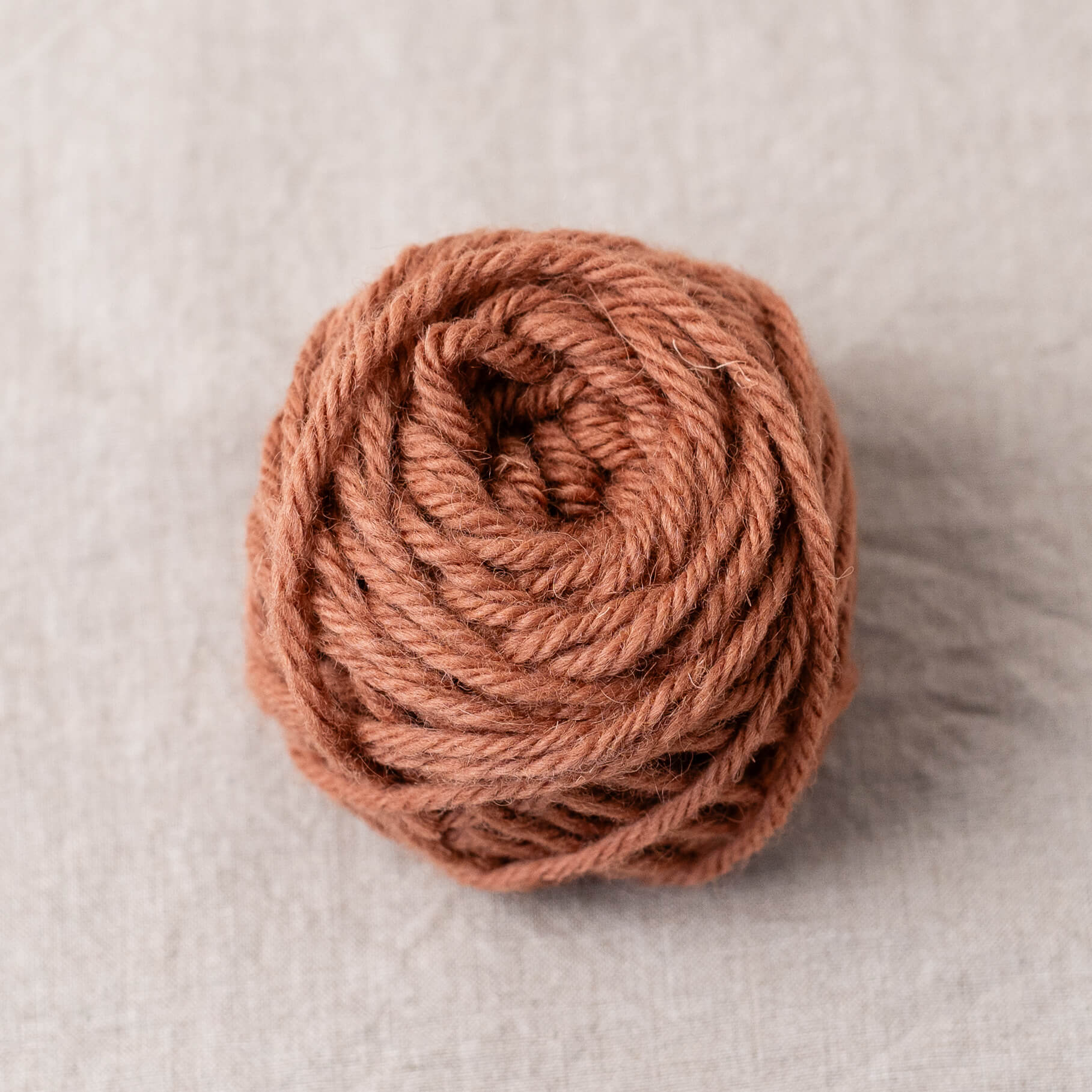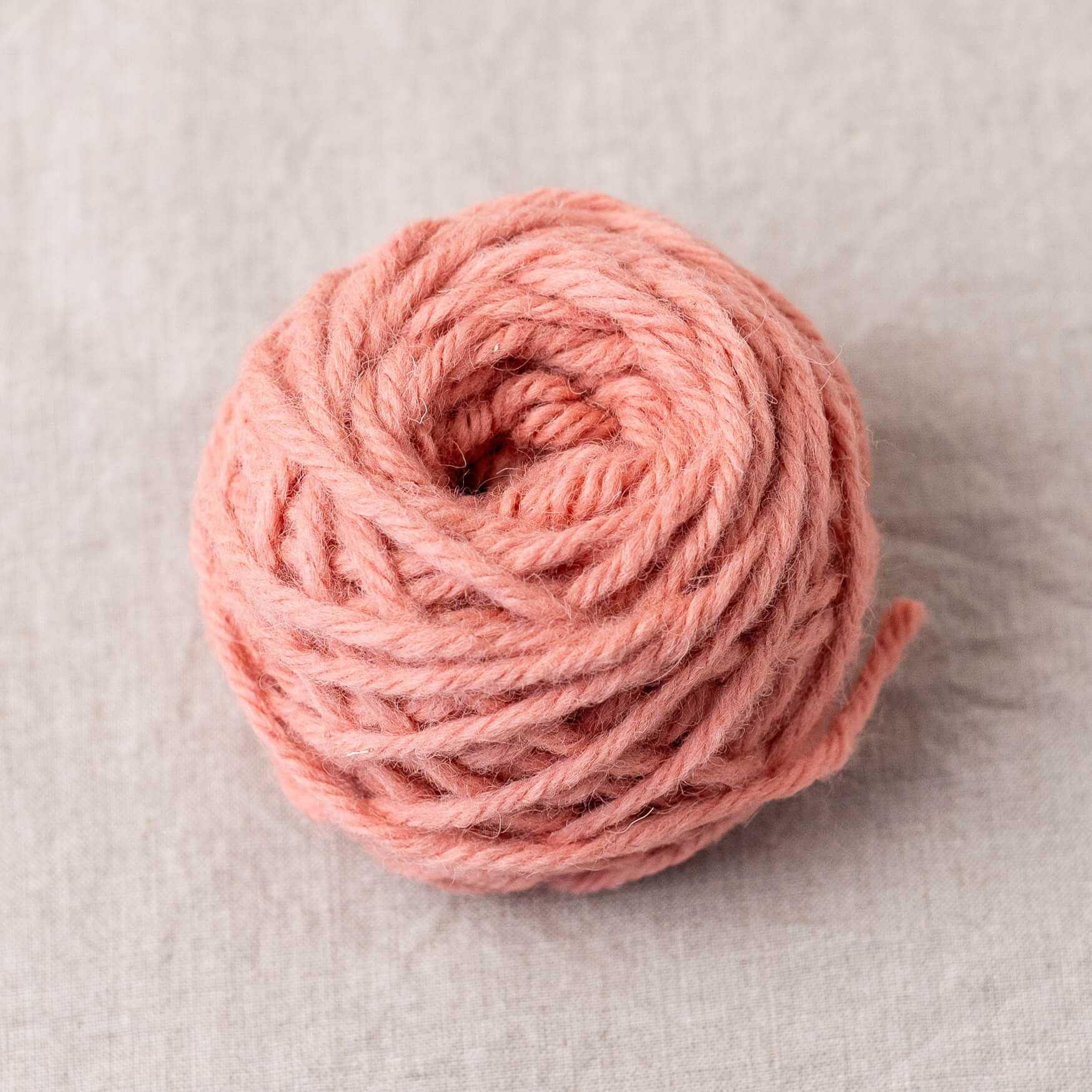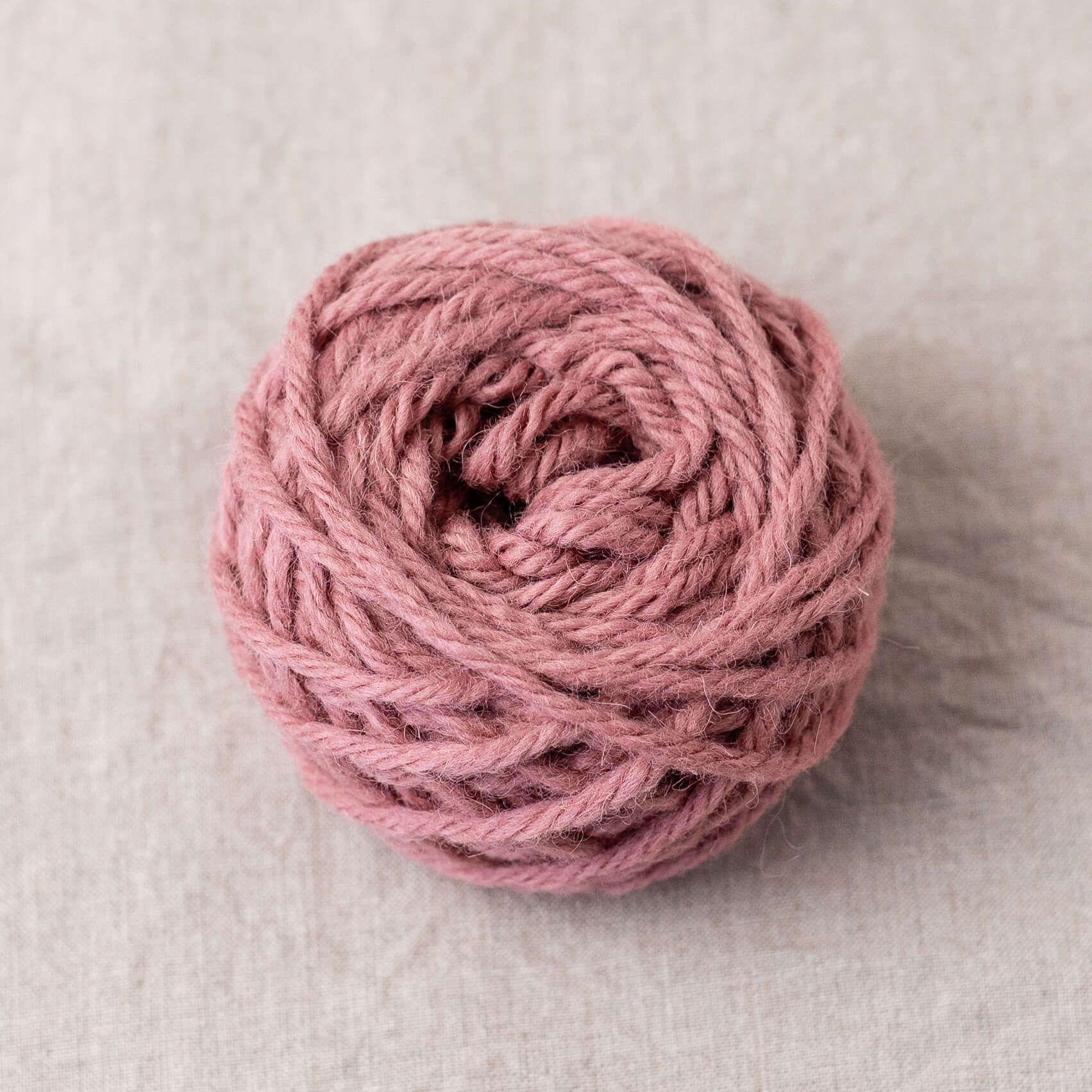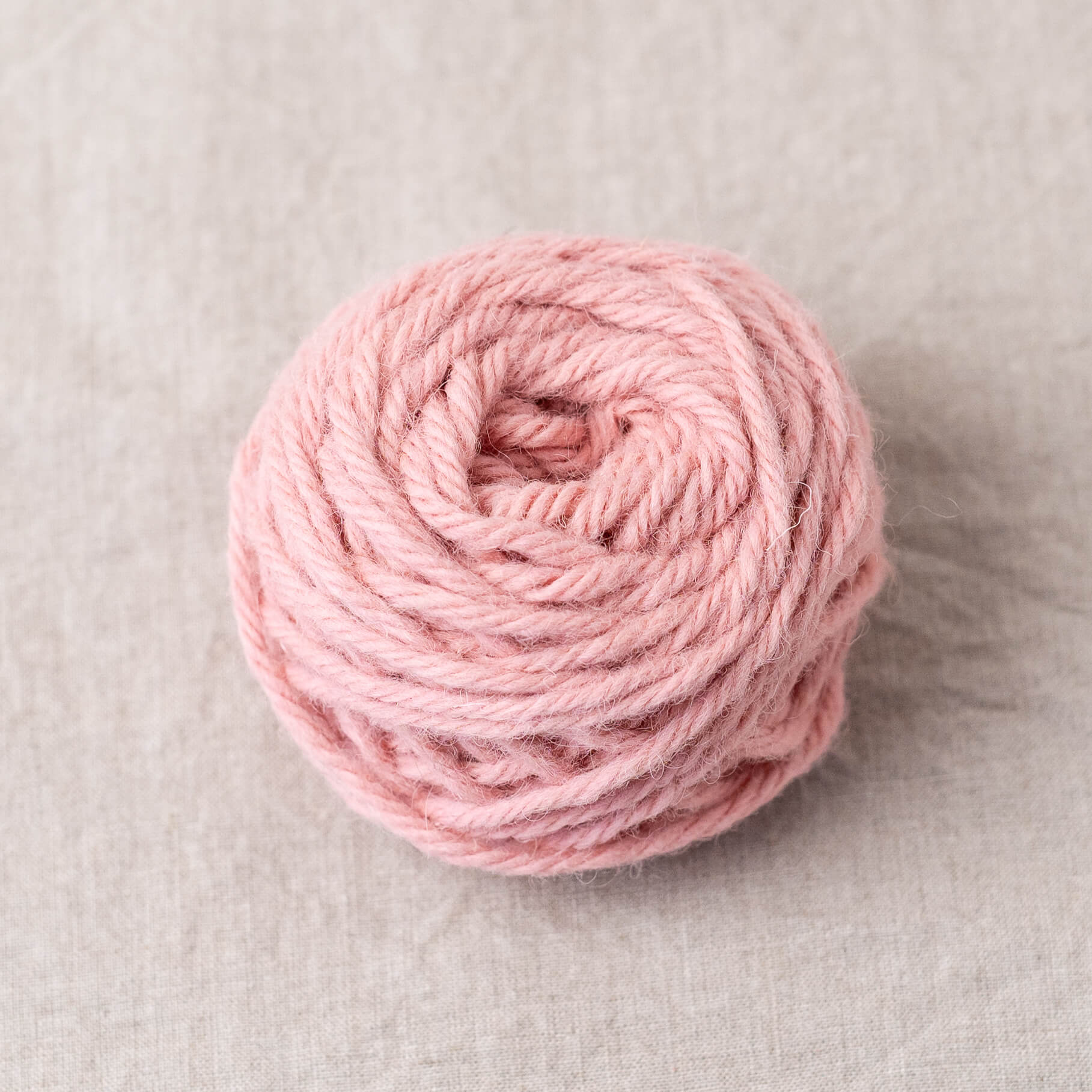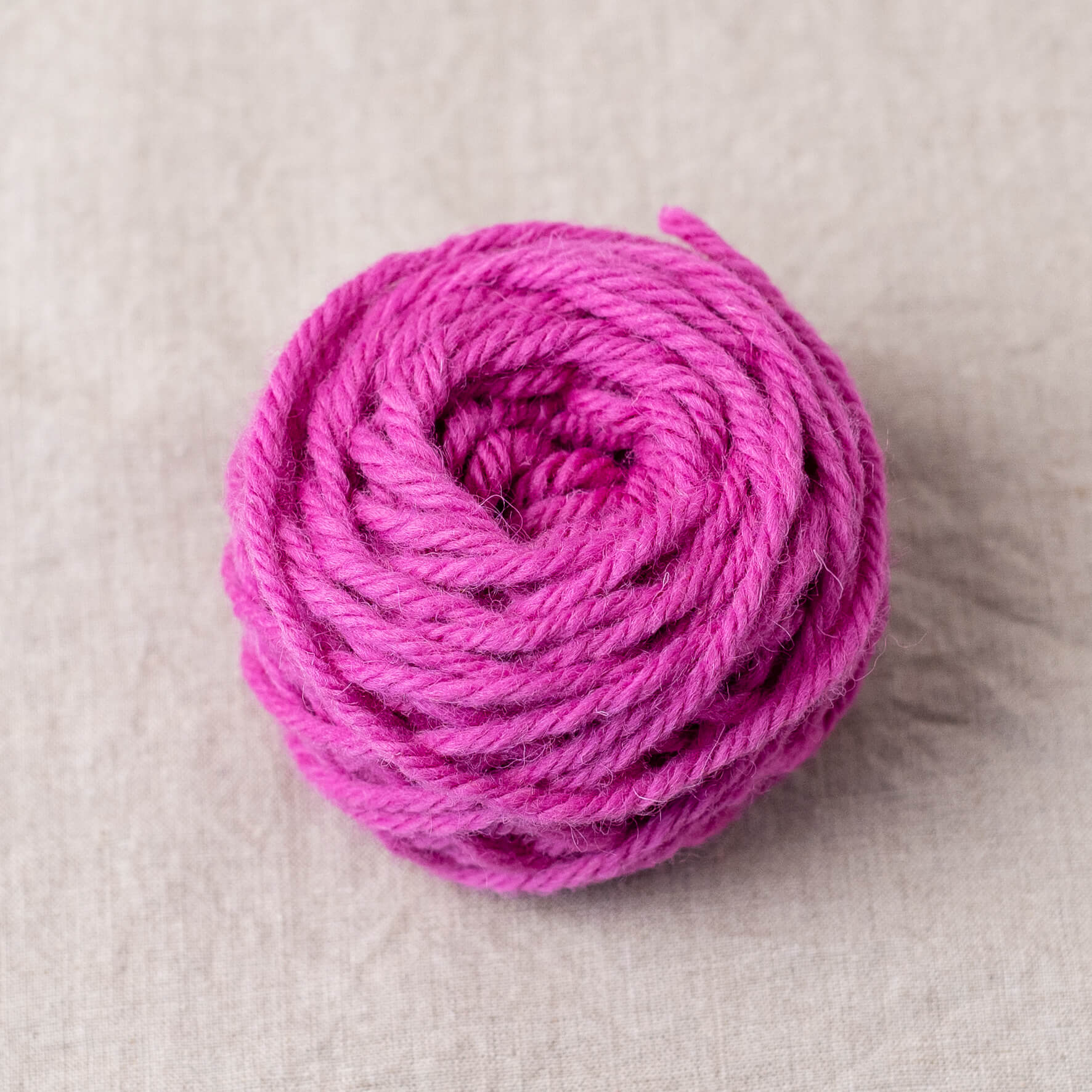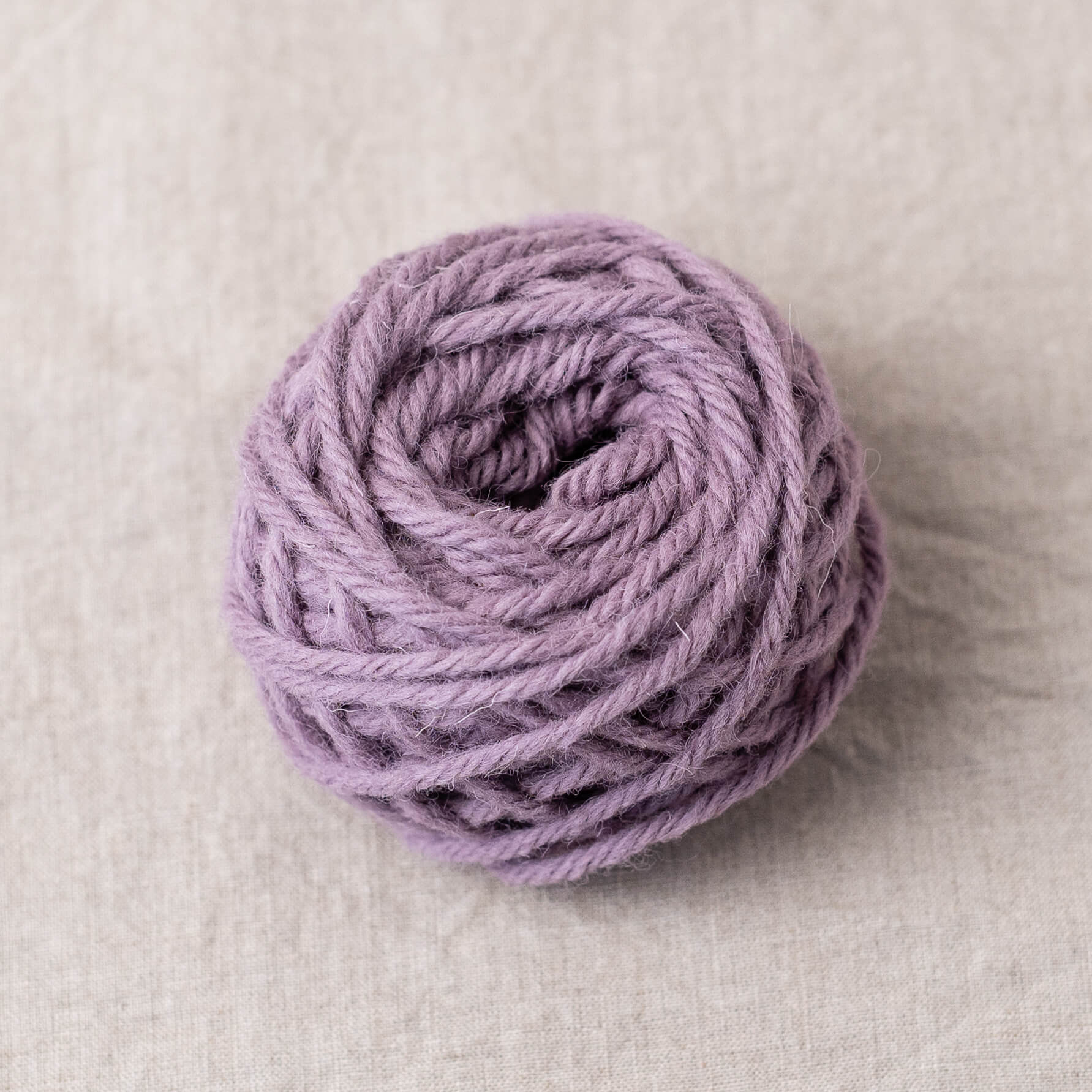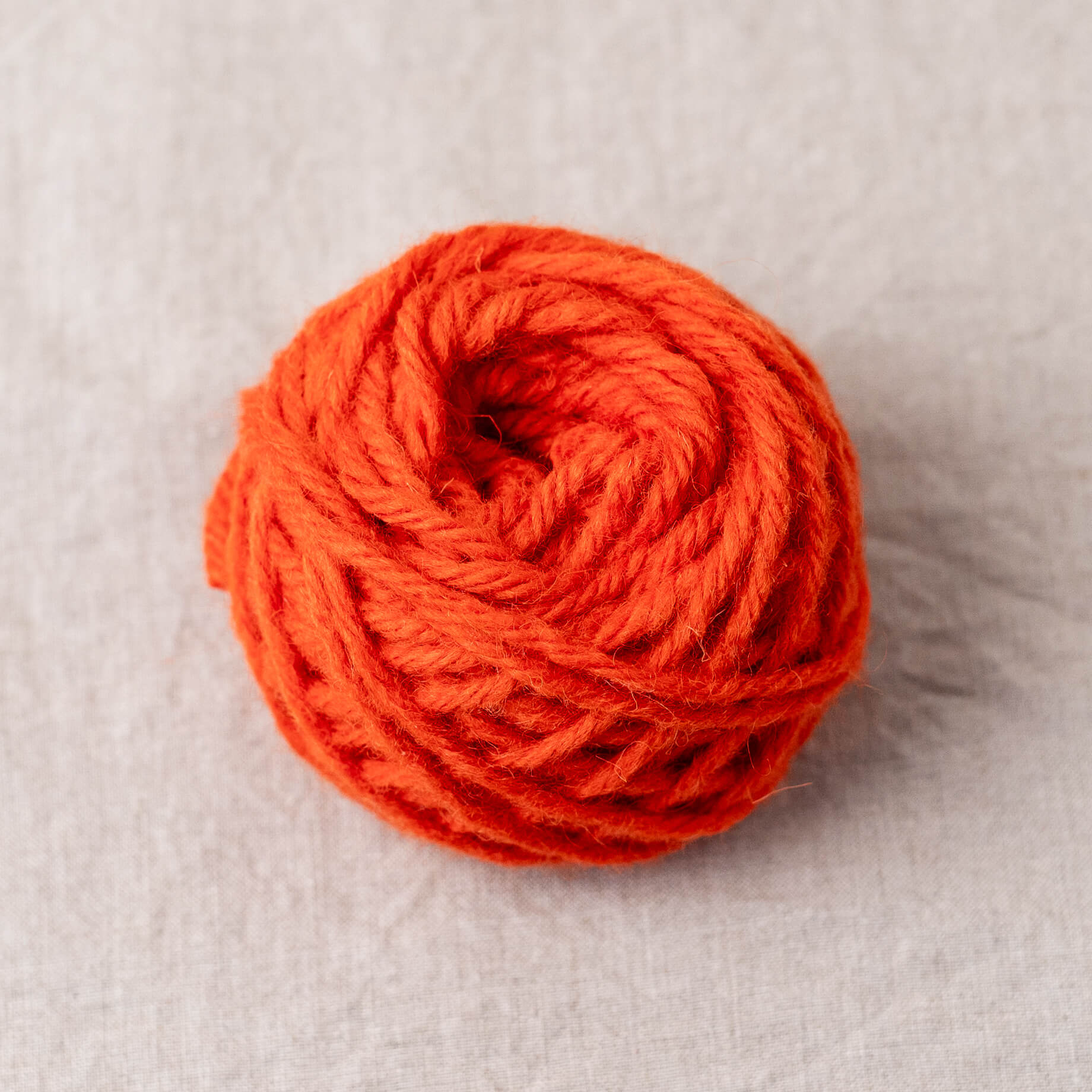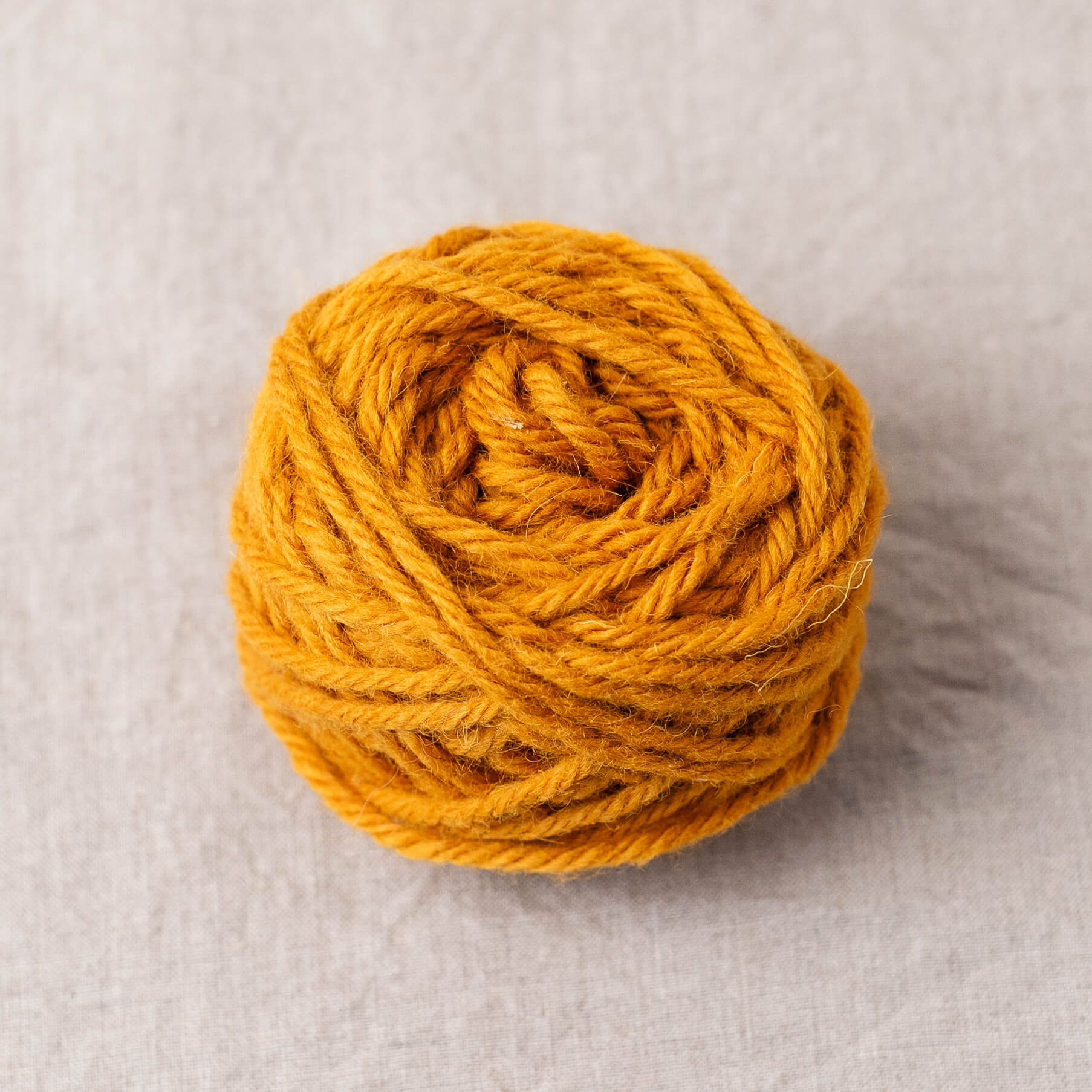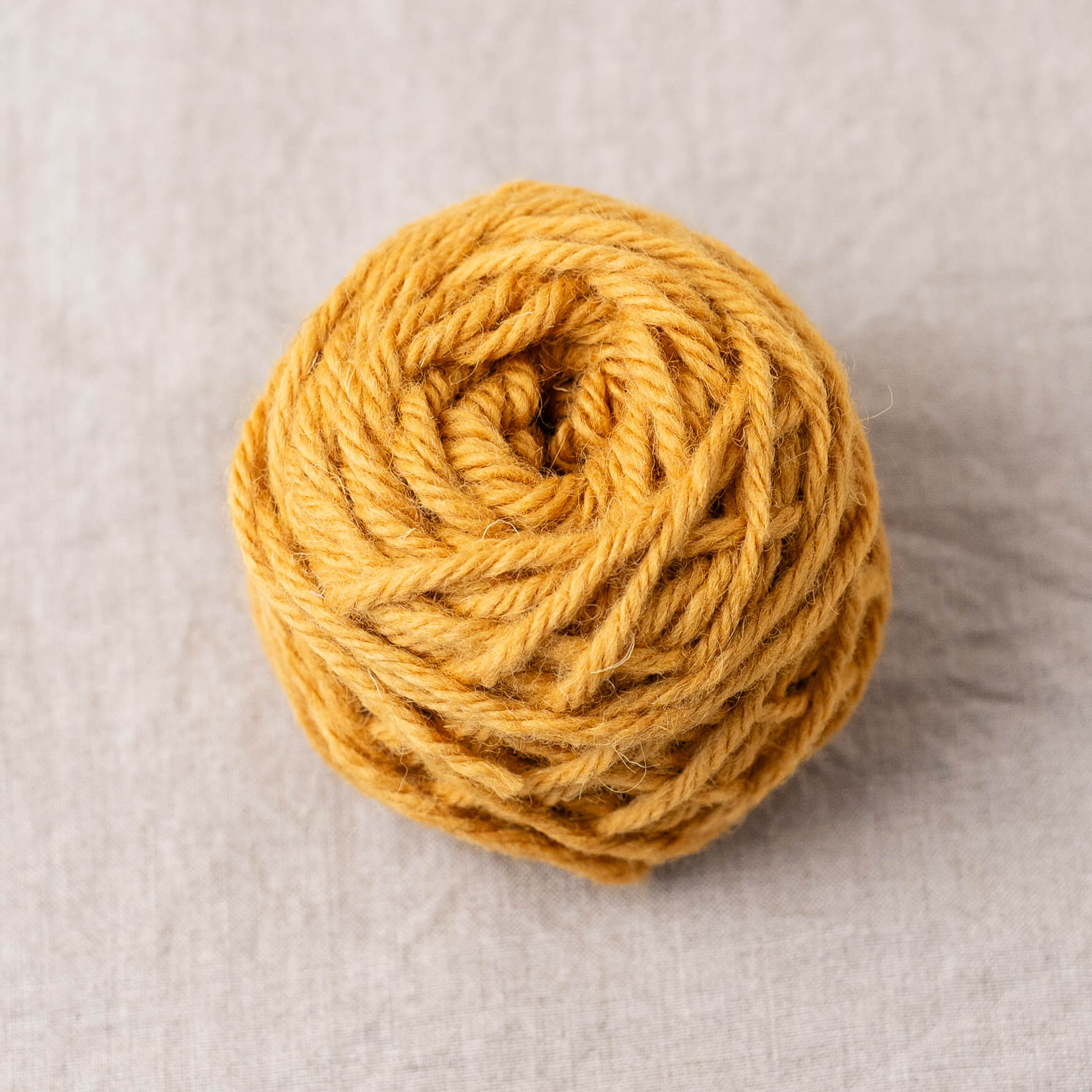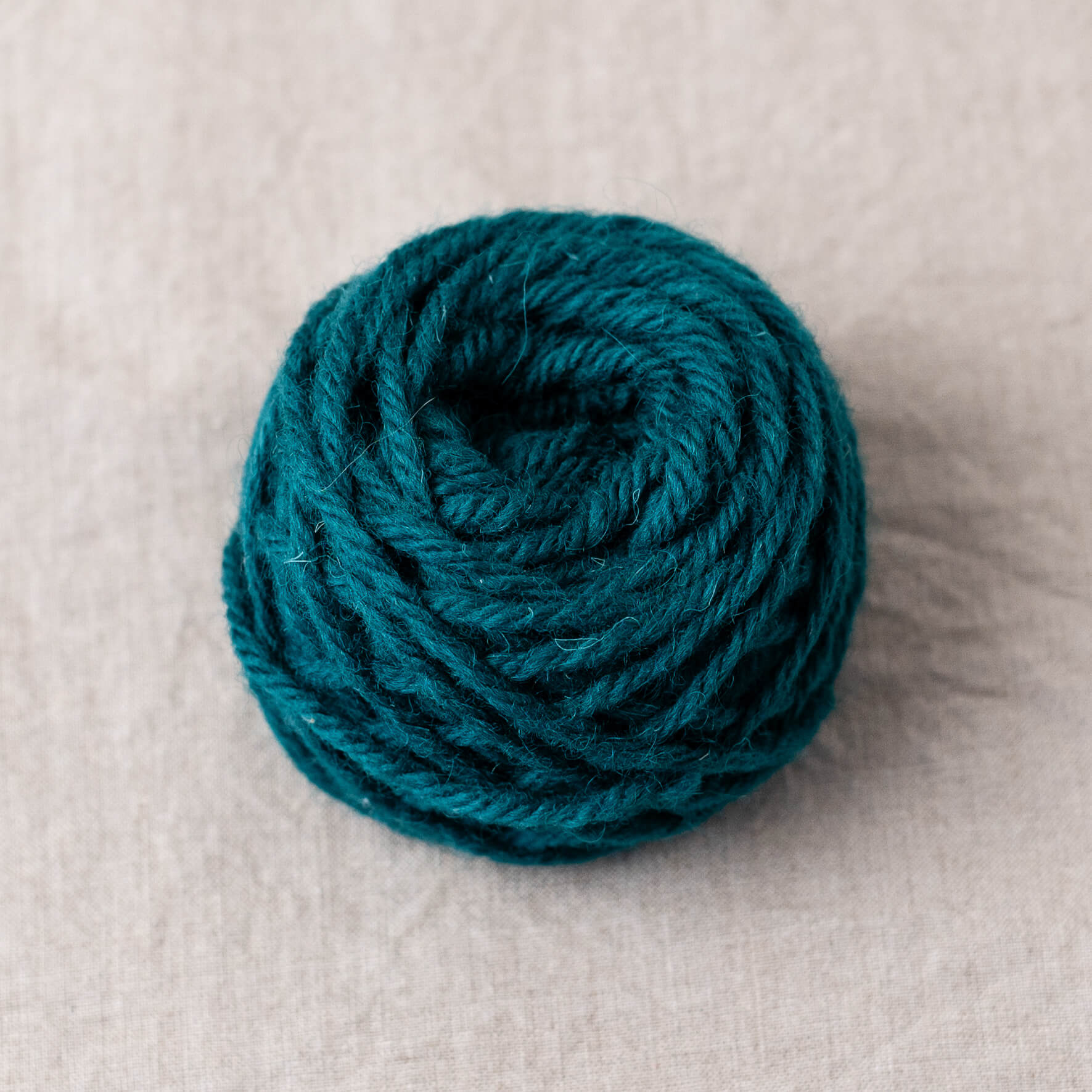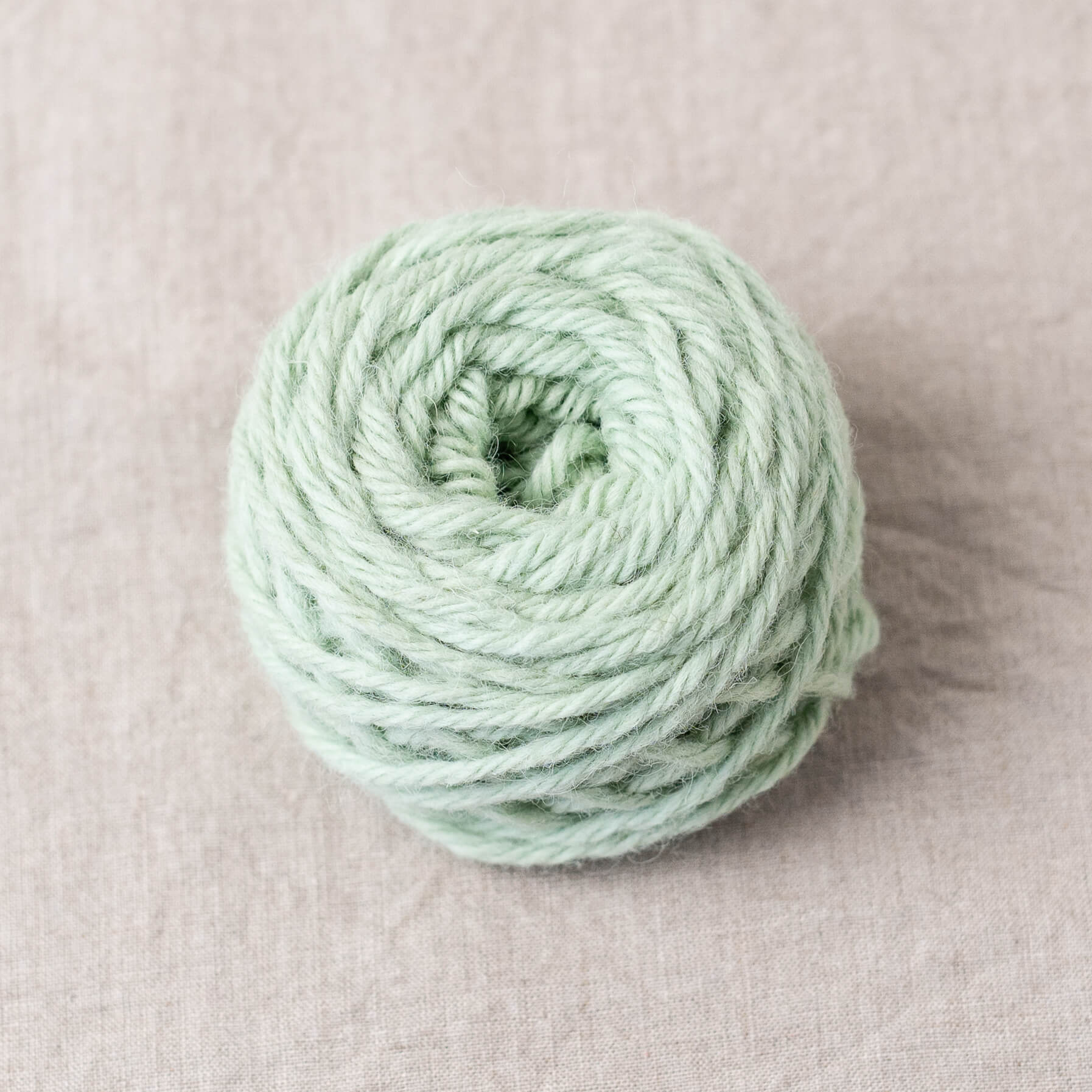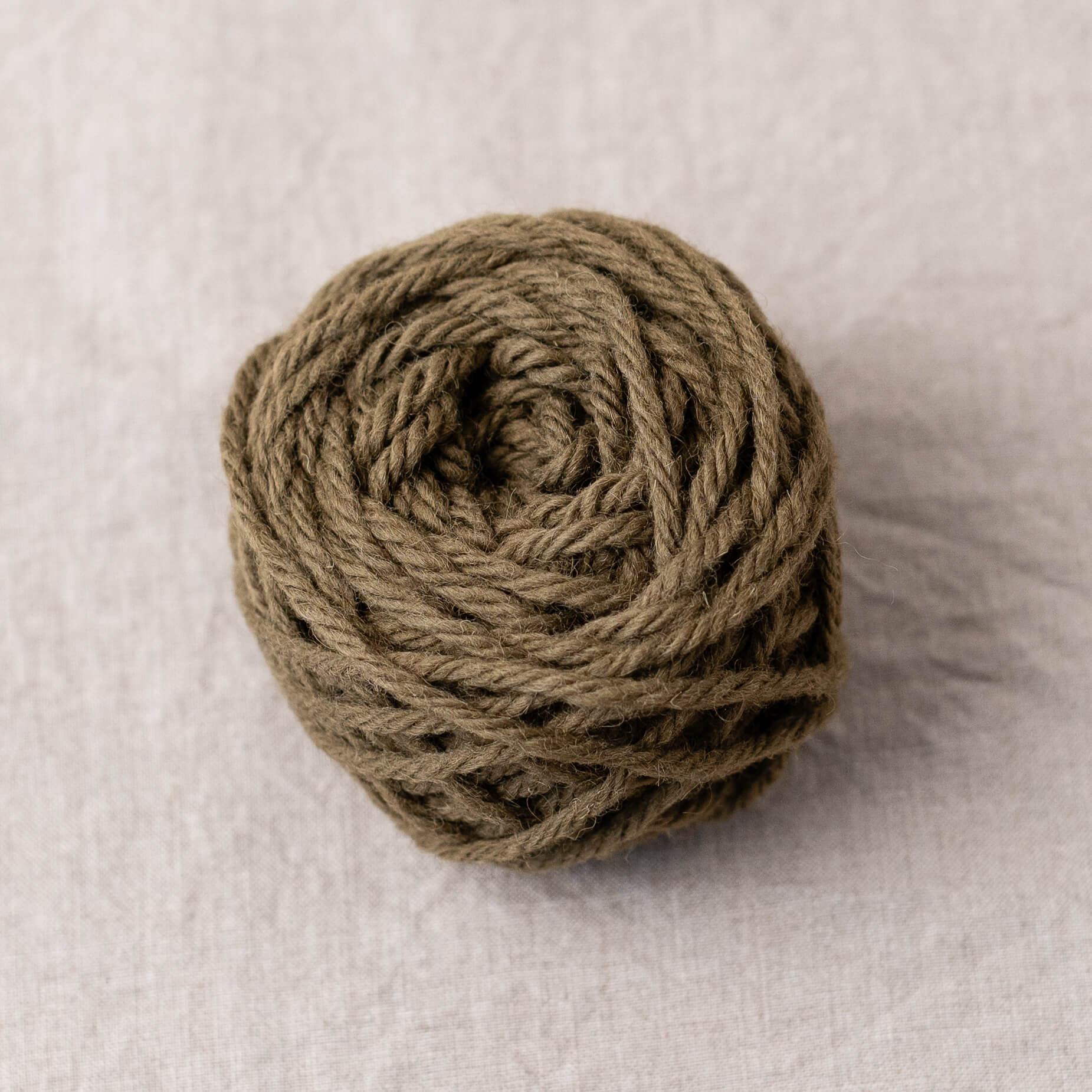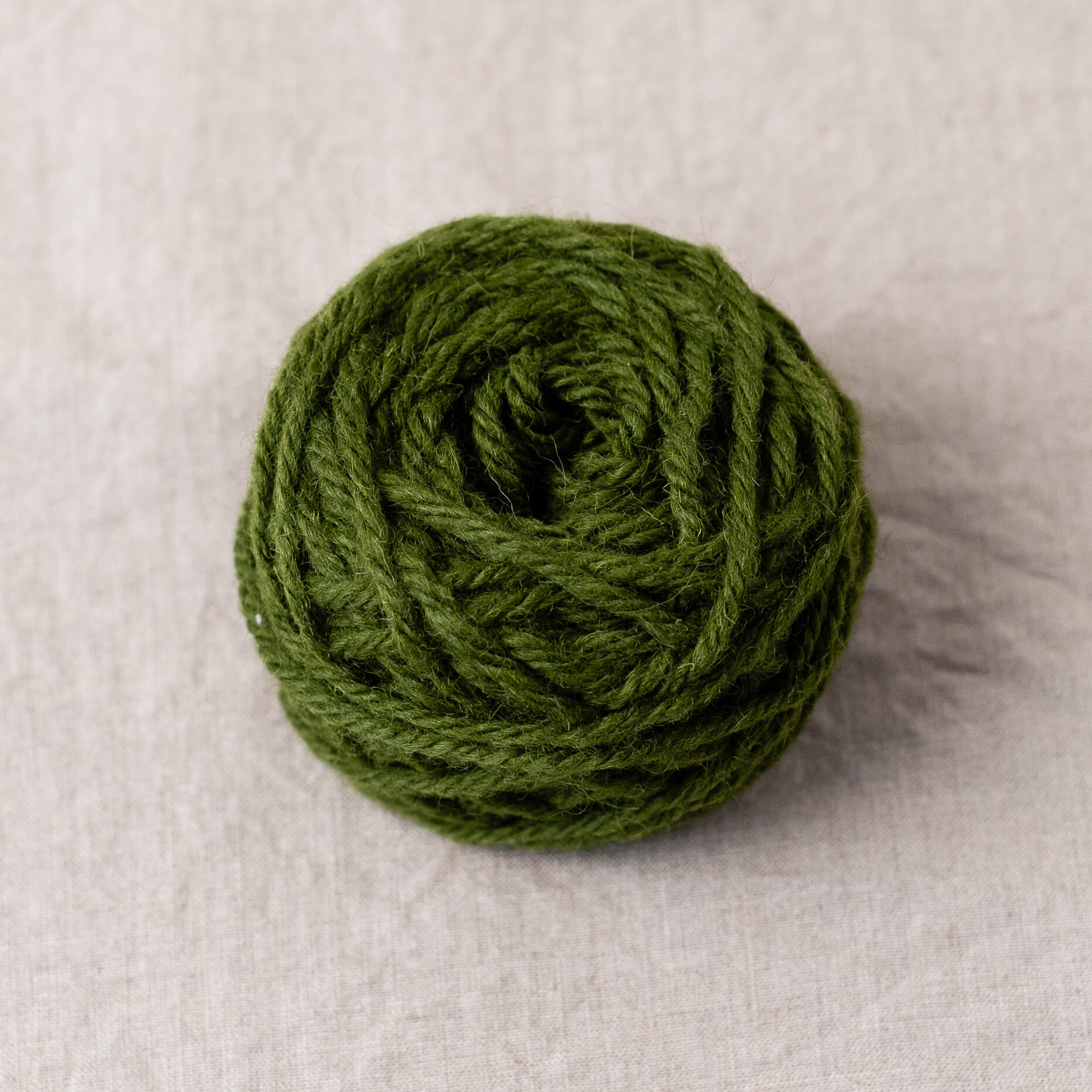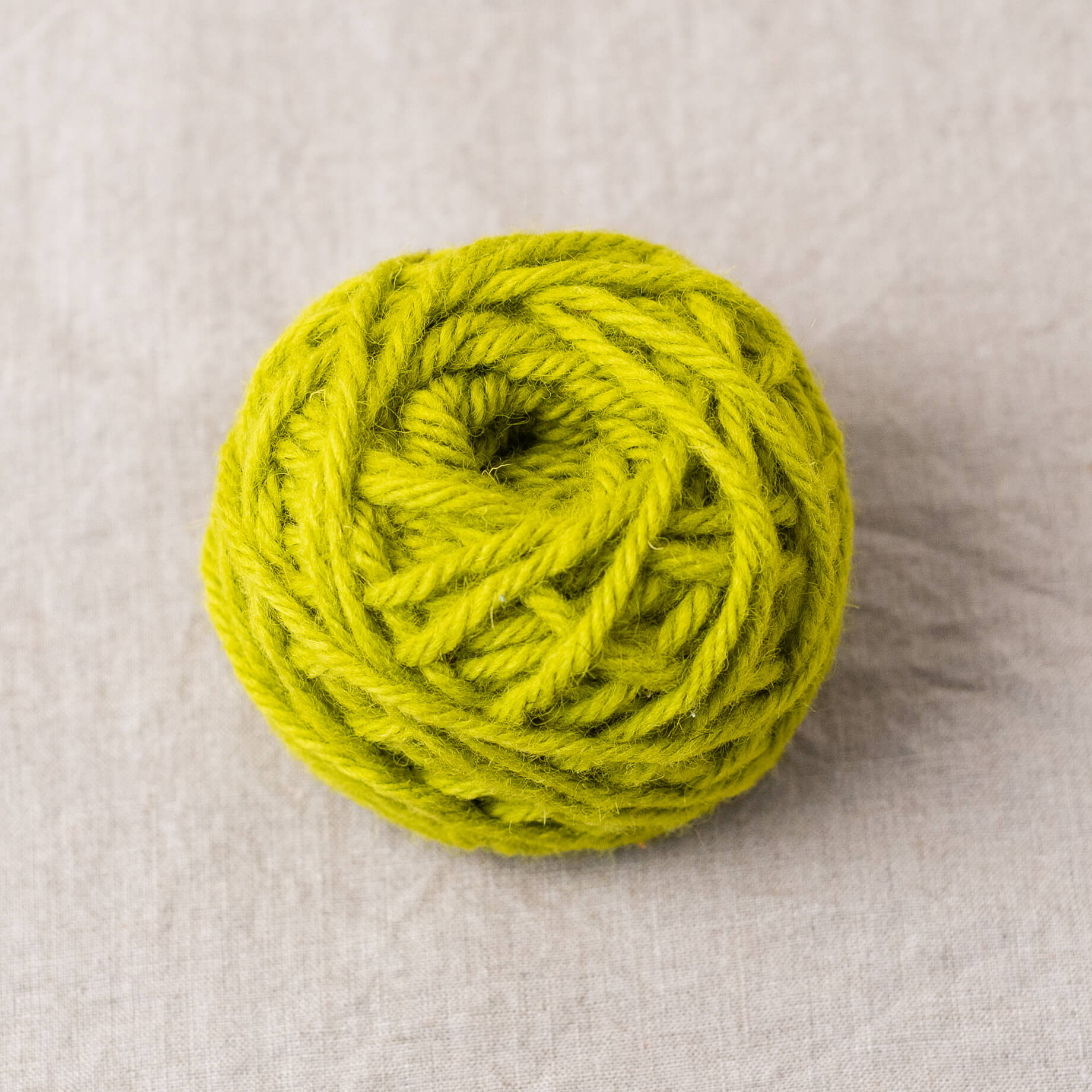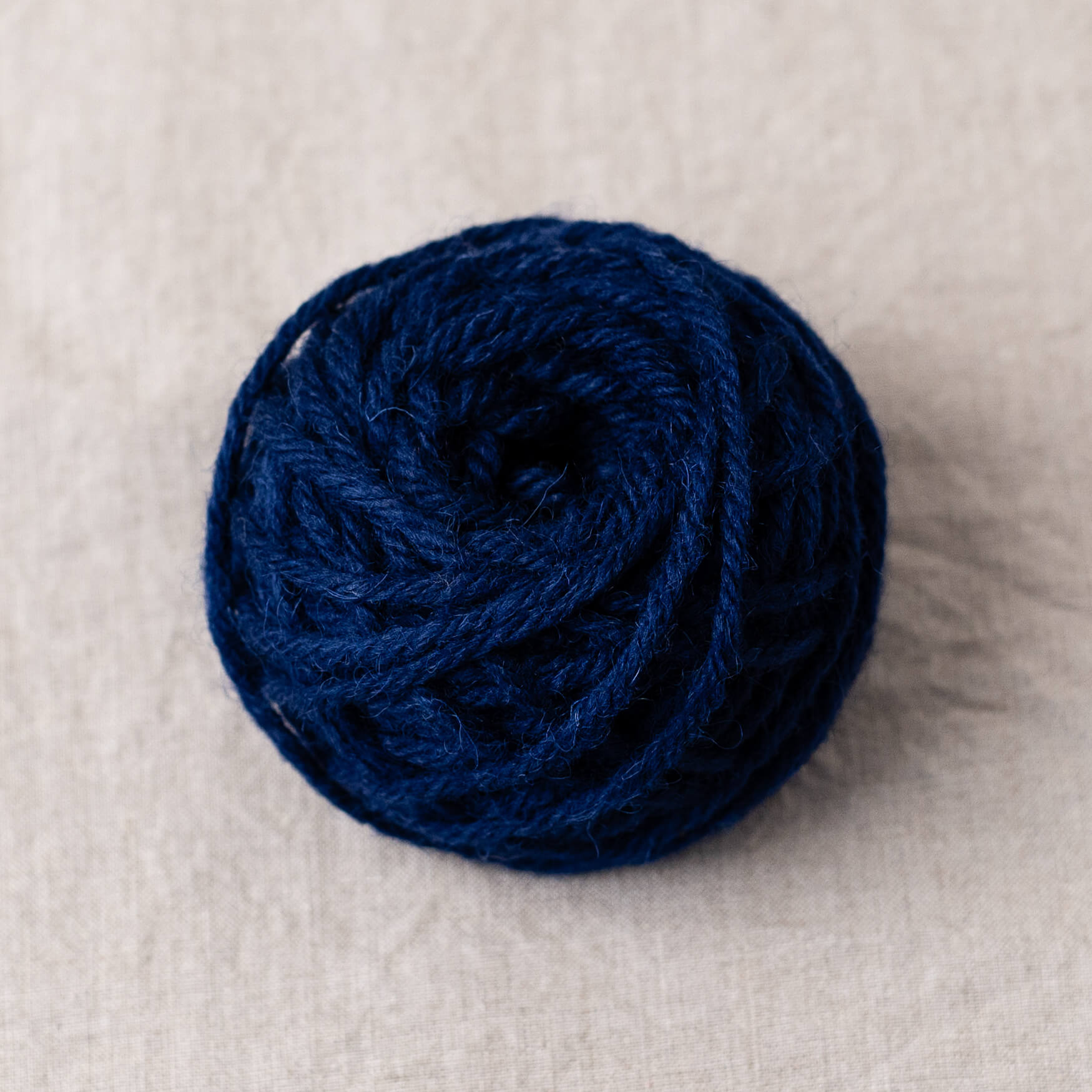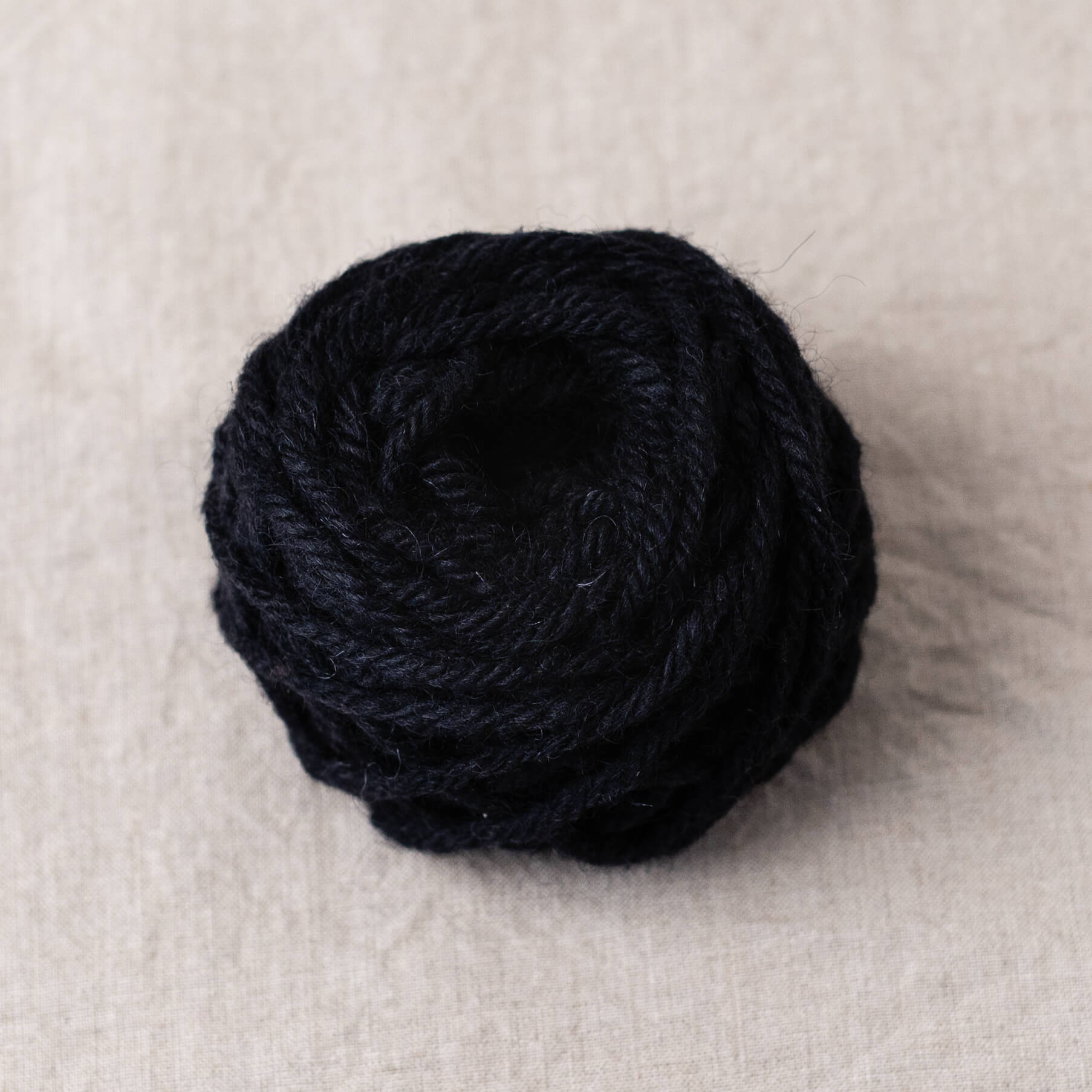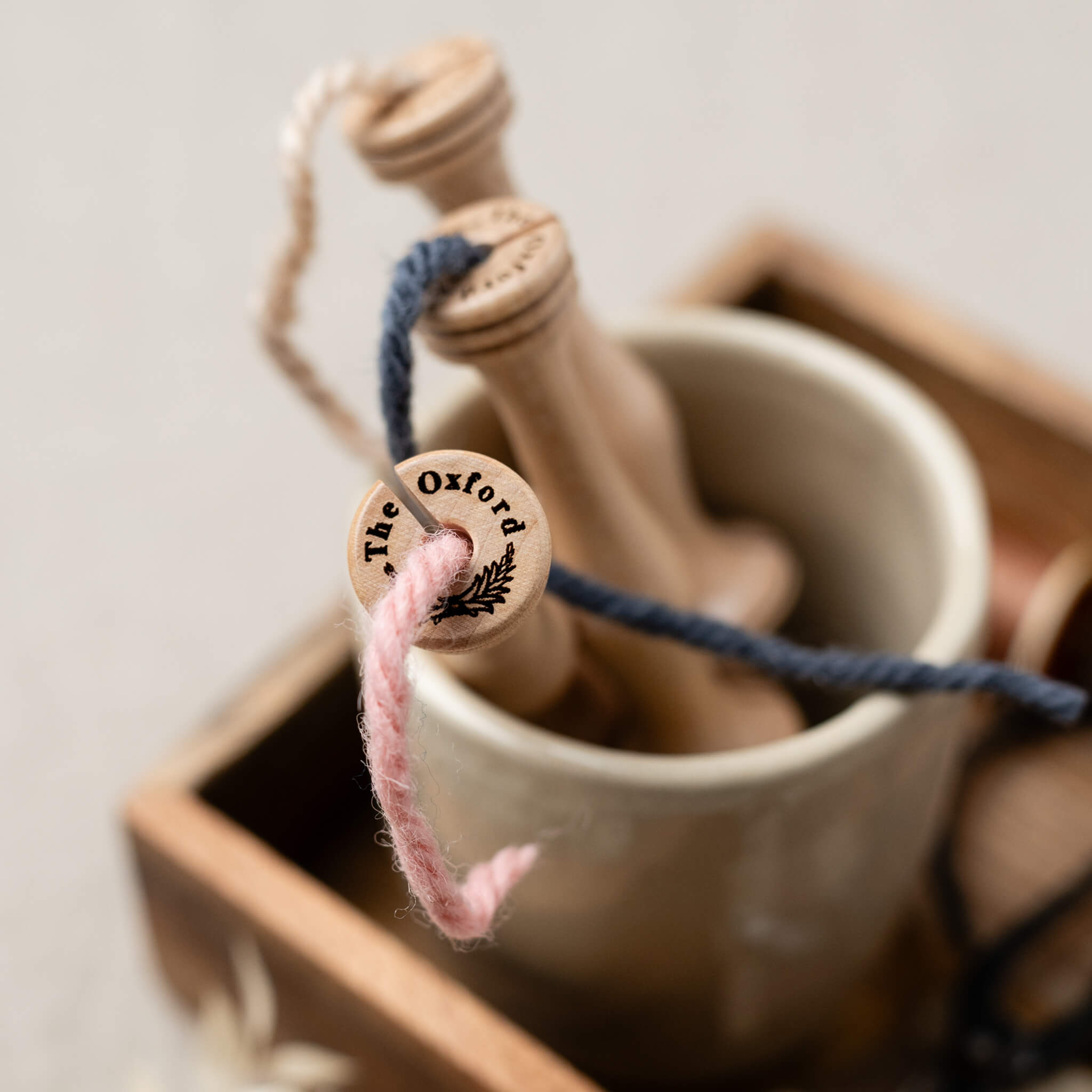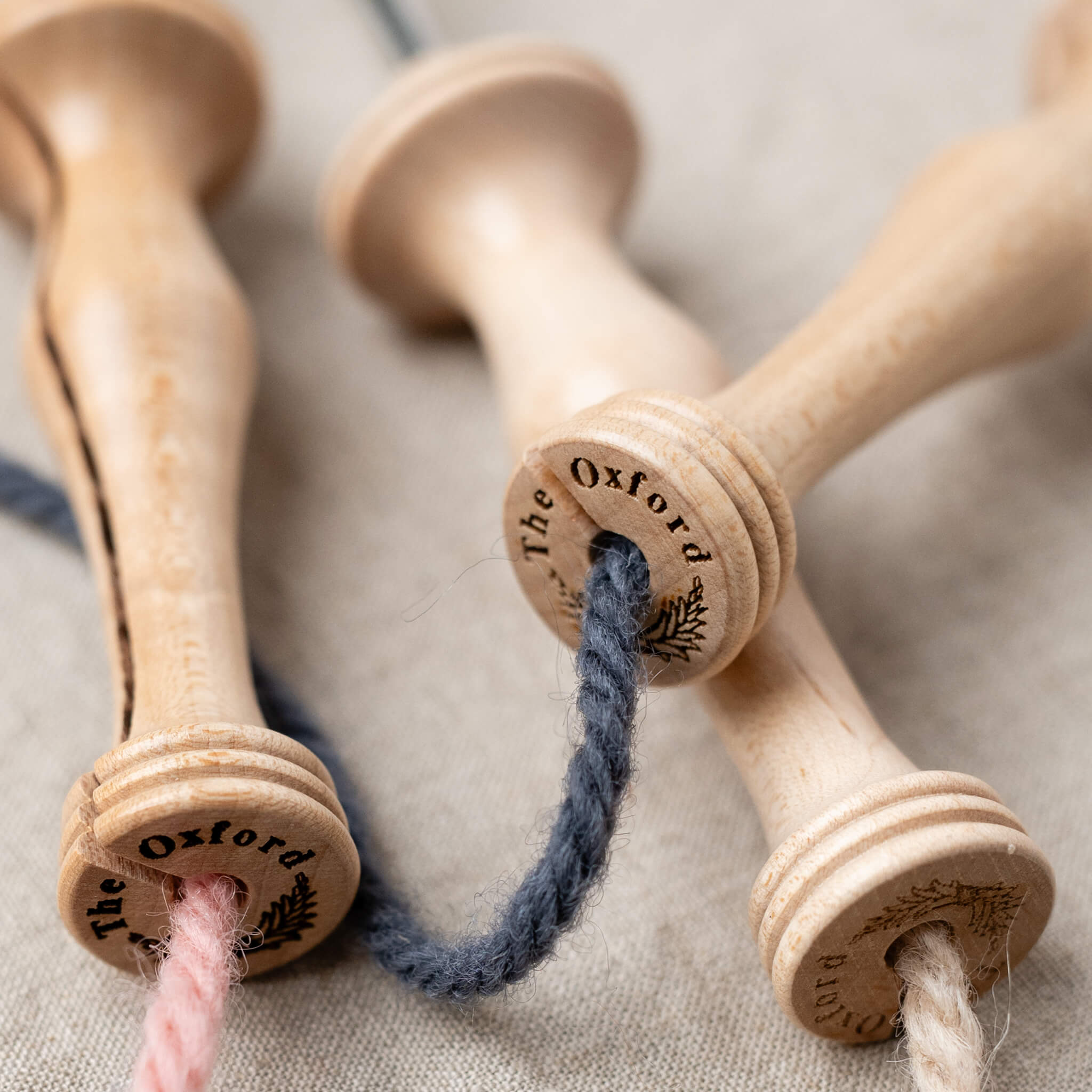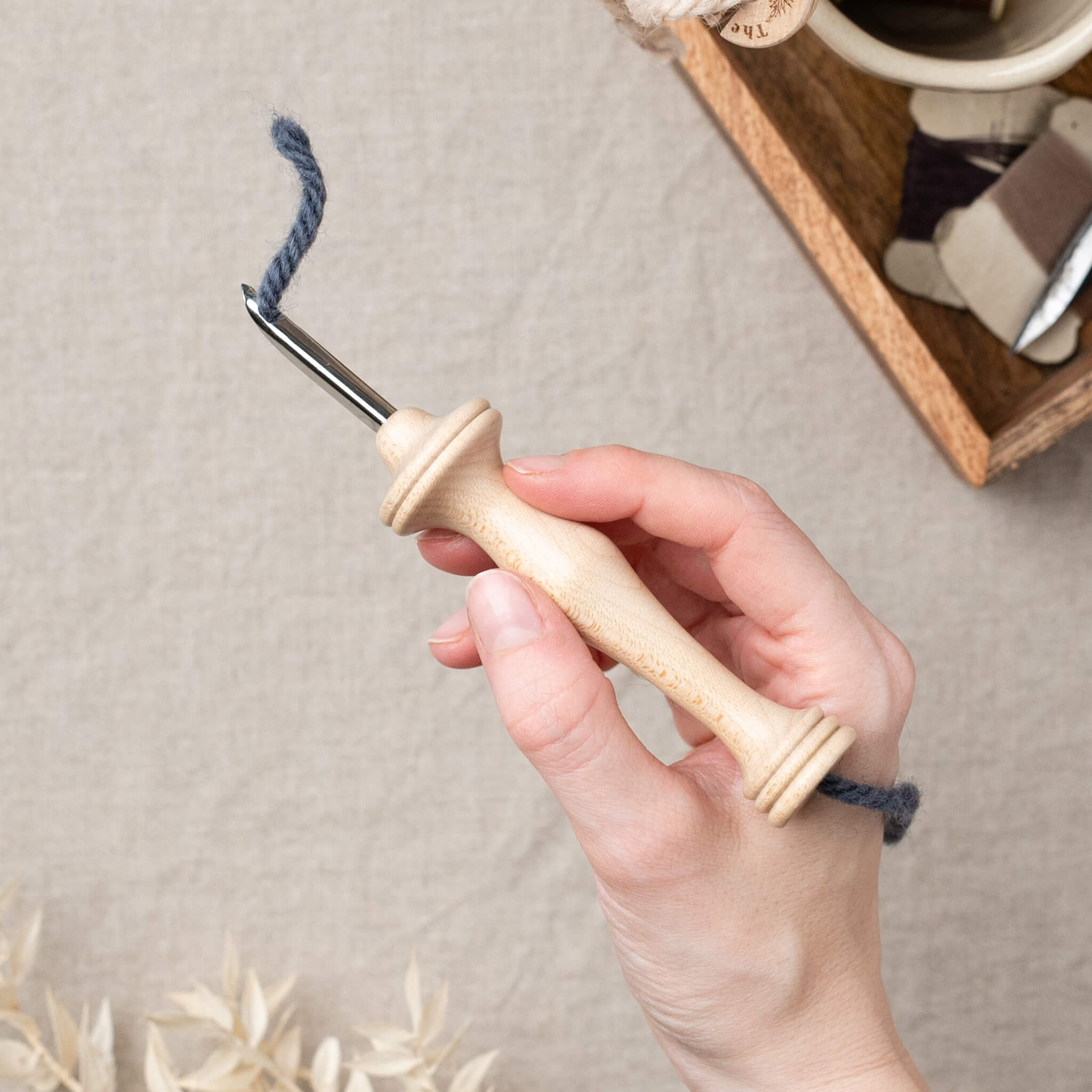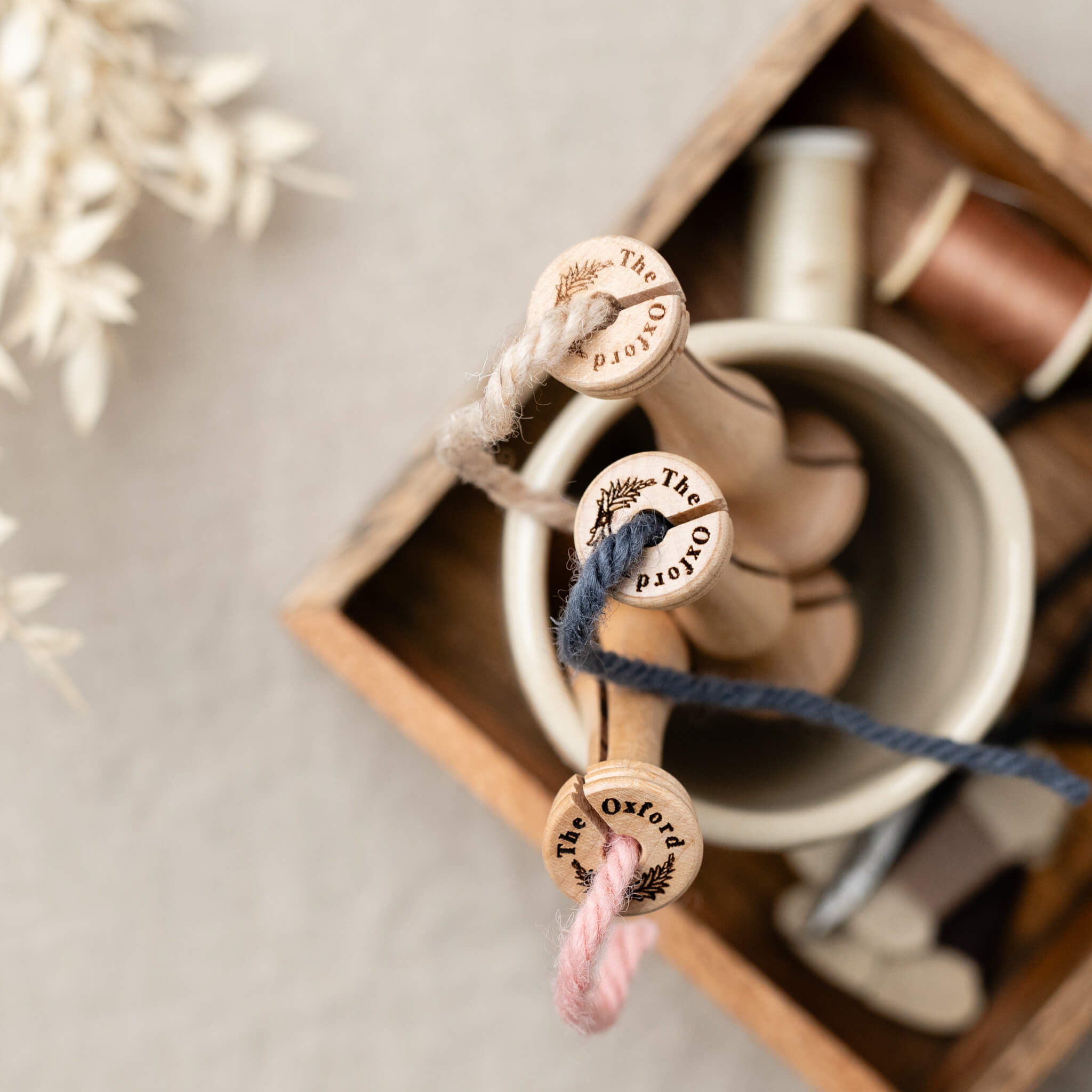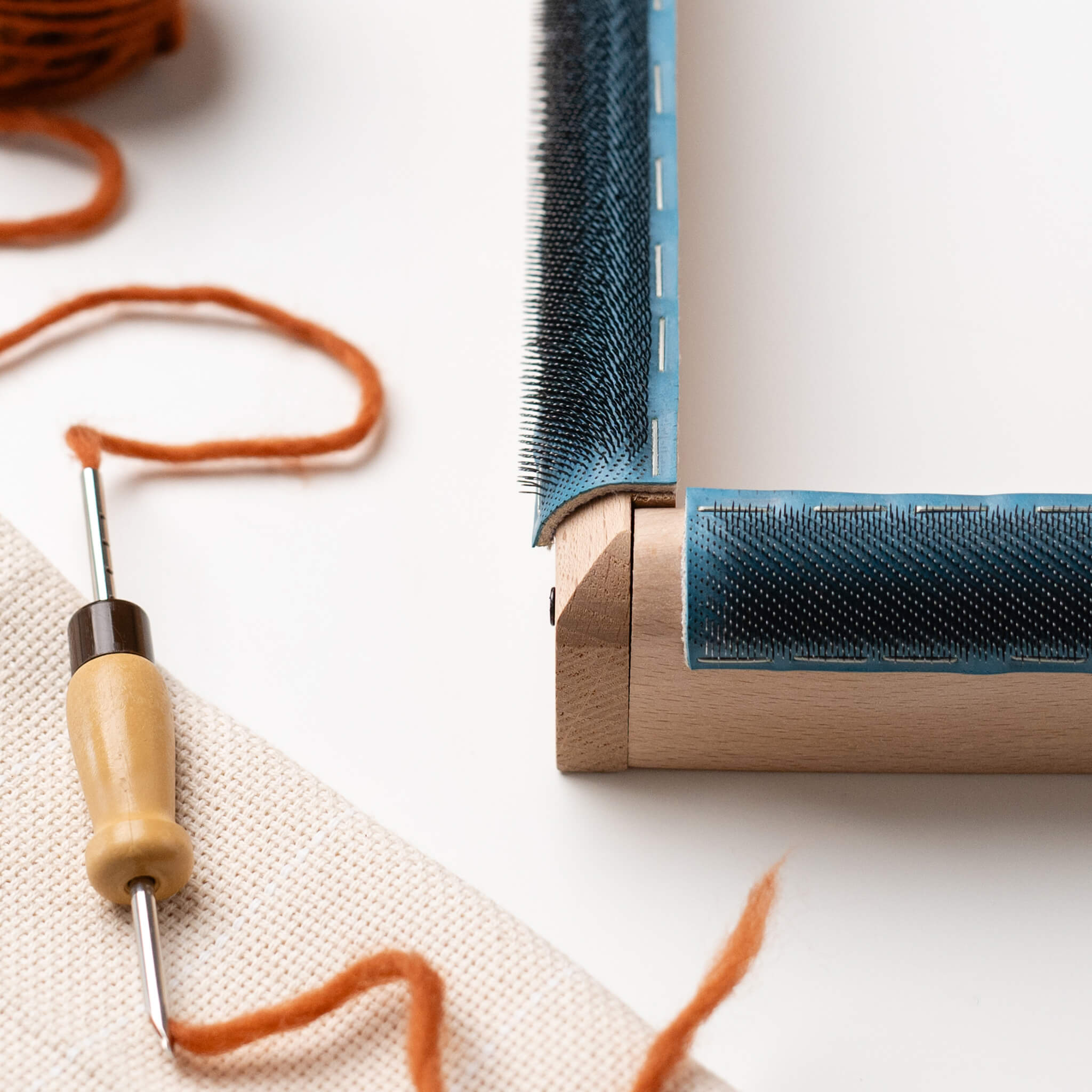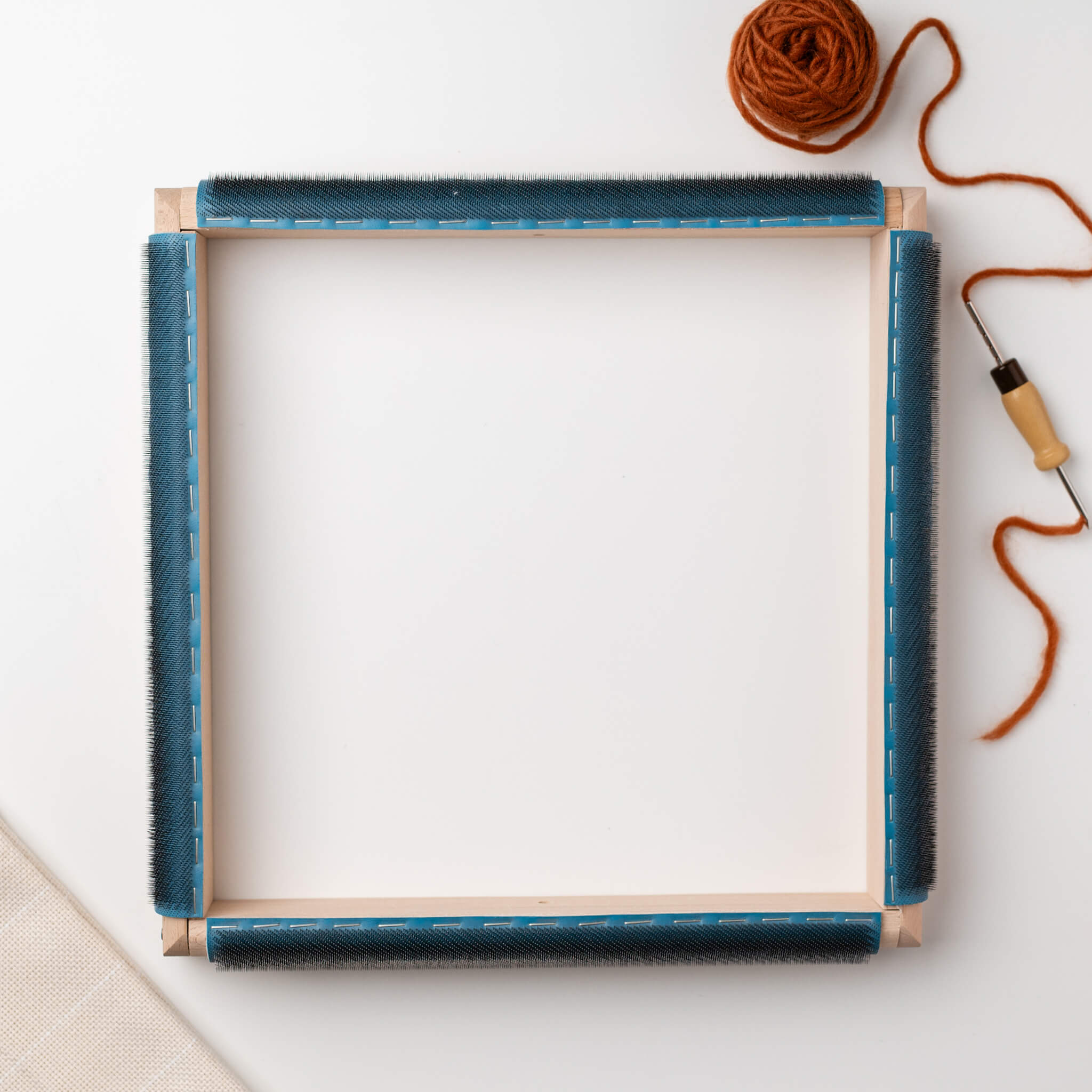
Once you’re familiar with a craft it’s easier to mix things up and try new things – different fabrics, different yarns and tools. But as a beginner, I stuck closely to materials designed specifically for punch needle to make my life that little bit easier!
Materials you need for punch needle
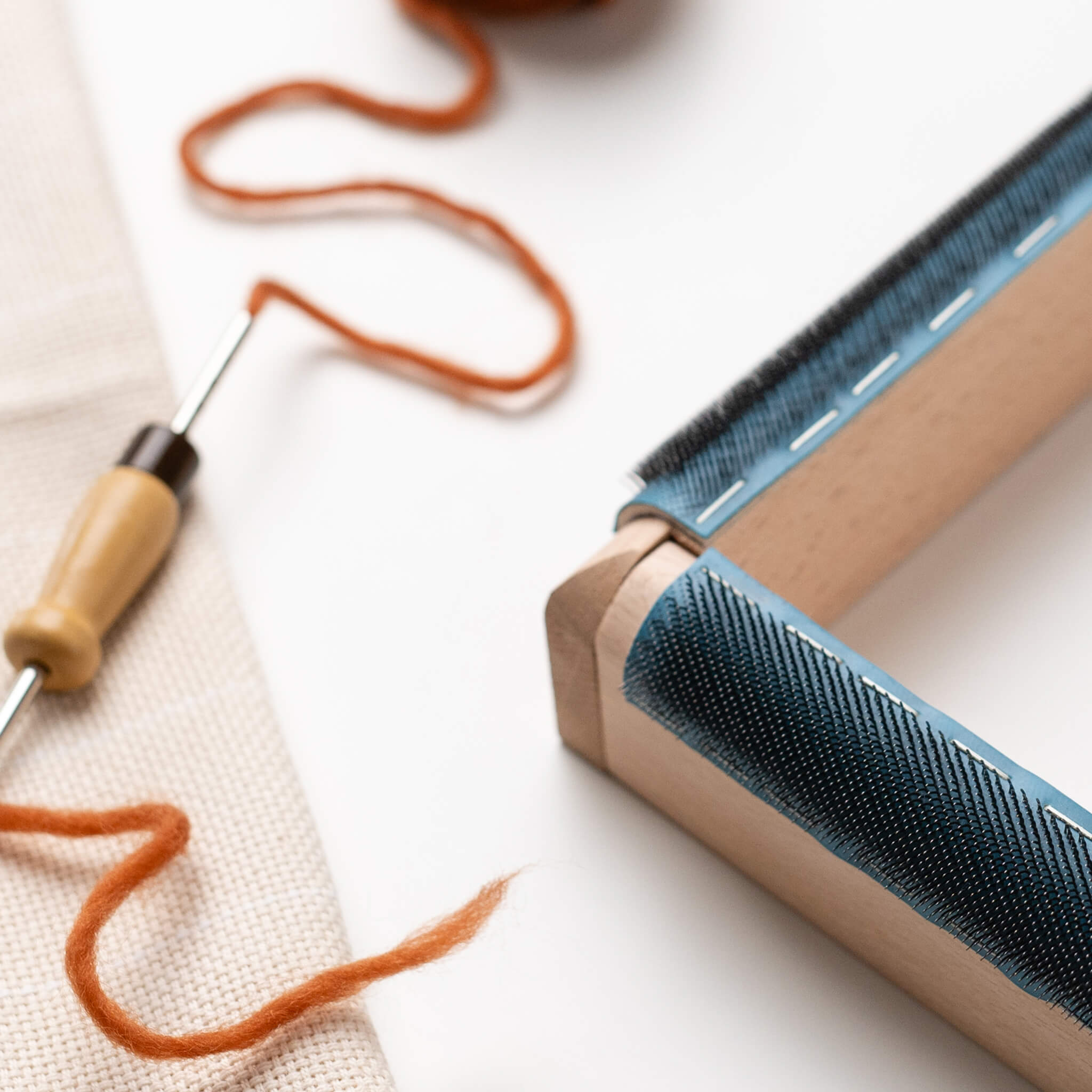
For punch needle there are four key materials that you will need to get started:
- Punch needle tool
- Foundation fabric
- Frame or hoop
- Yarn

Each different component will need to be used with a complementary material, wider punch needles with chunky yarn and loose weave fabric, finer punch needles with thinner yarn or embroidery floss and a tighter weave fabric. As a general rule of thumb, the smaller the width of the punch needle the tighter the fabric and thinner the yarn. As the punch needle gets wider you’ll need to use a looser weave of fabric and thicker yarn.
Luckily for punch needle there aren’t too many different types of punch needle, fabric or frame to use. Yarn however has such a broad range with terminology and weights differing across the world. A good place to use as a point of reference when choosing yarn is the Craft Yarn Council’s Standard Yarn Weight System. When purchasing yarn it should have the weight and type listed. Sometimes it will also indicate which knitting or crochet tools work best with it. Most yarns will follow this system so it will help you when choosing yarn for your project.

One of the most common questions I get from people who are just starting out is about the difference between monks cloth and aida. Monks cloth and aida are both two types of fabric used for crafting. Traditionally monks cloth is used for rug making crafts such as punch needle and rug hooking whereas aida is used for cross-stitch embroidery.
What is monks cloth?
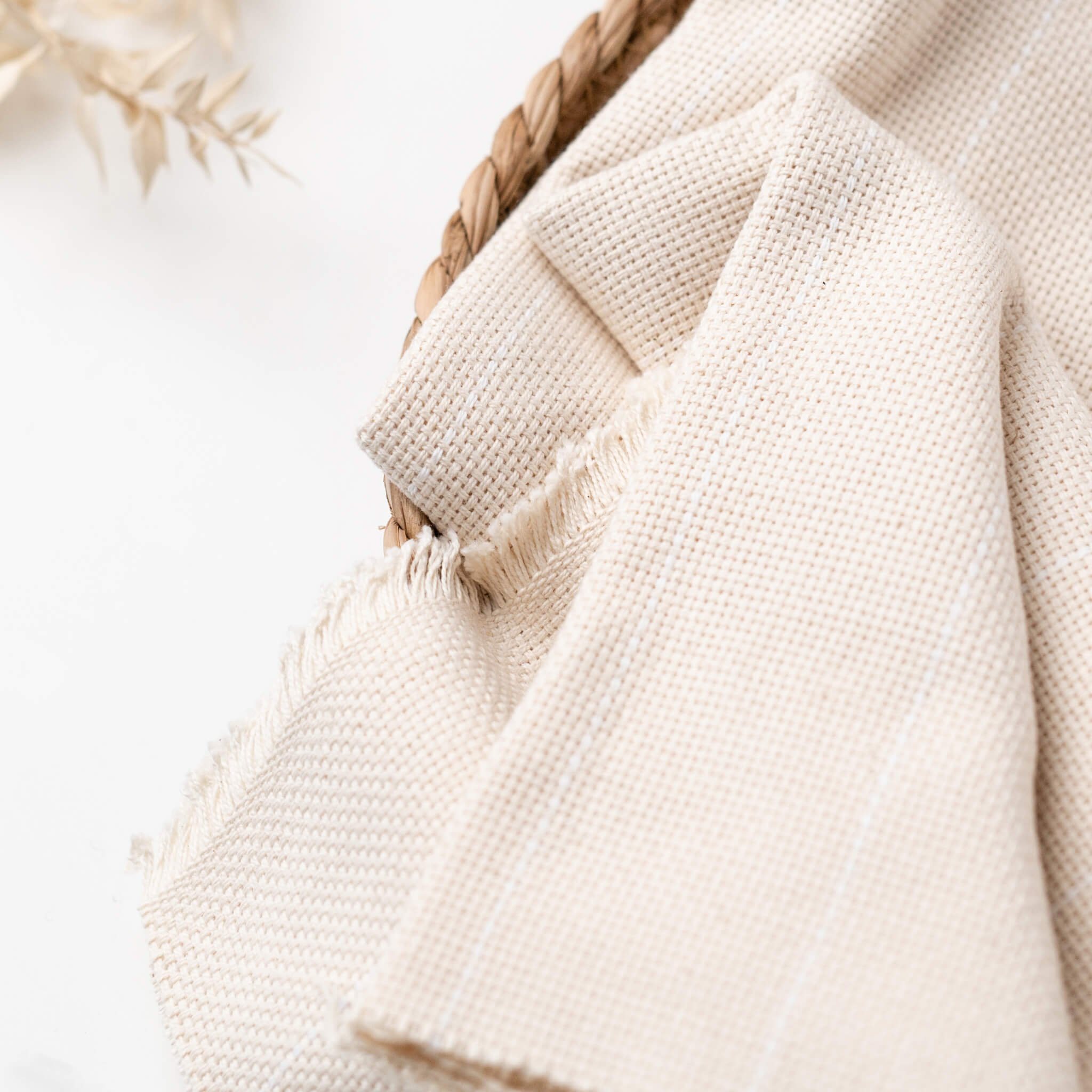
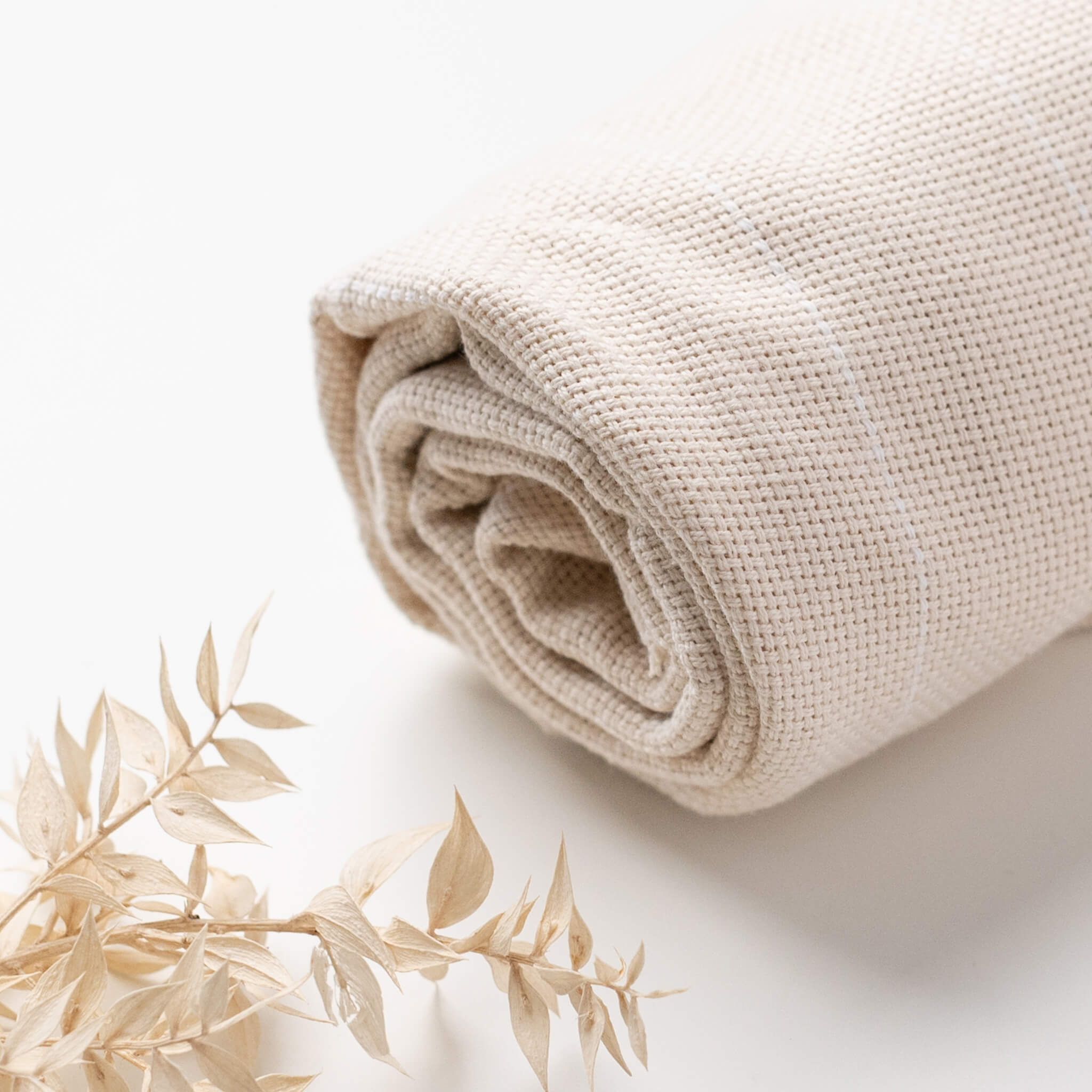
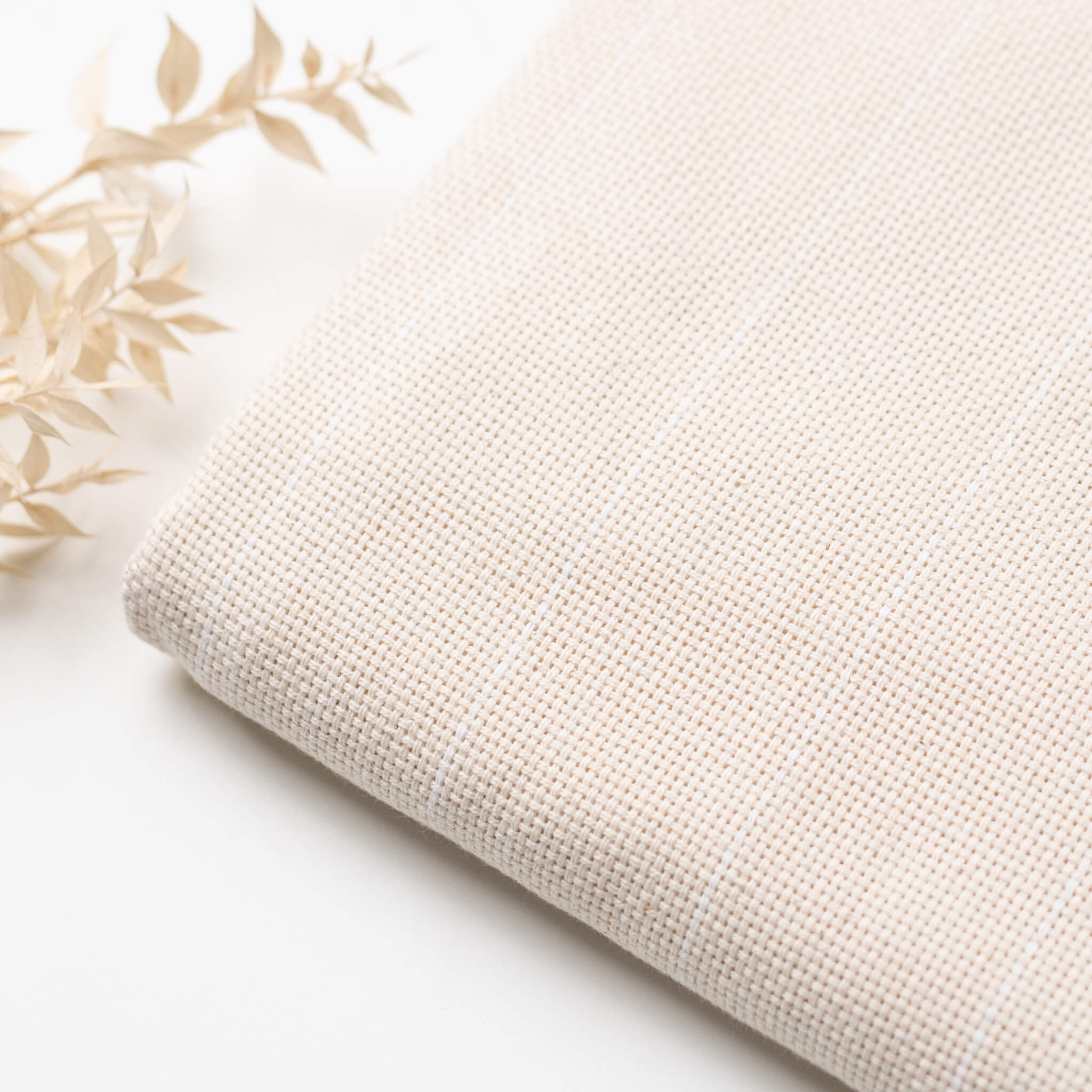
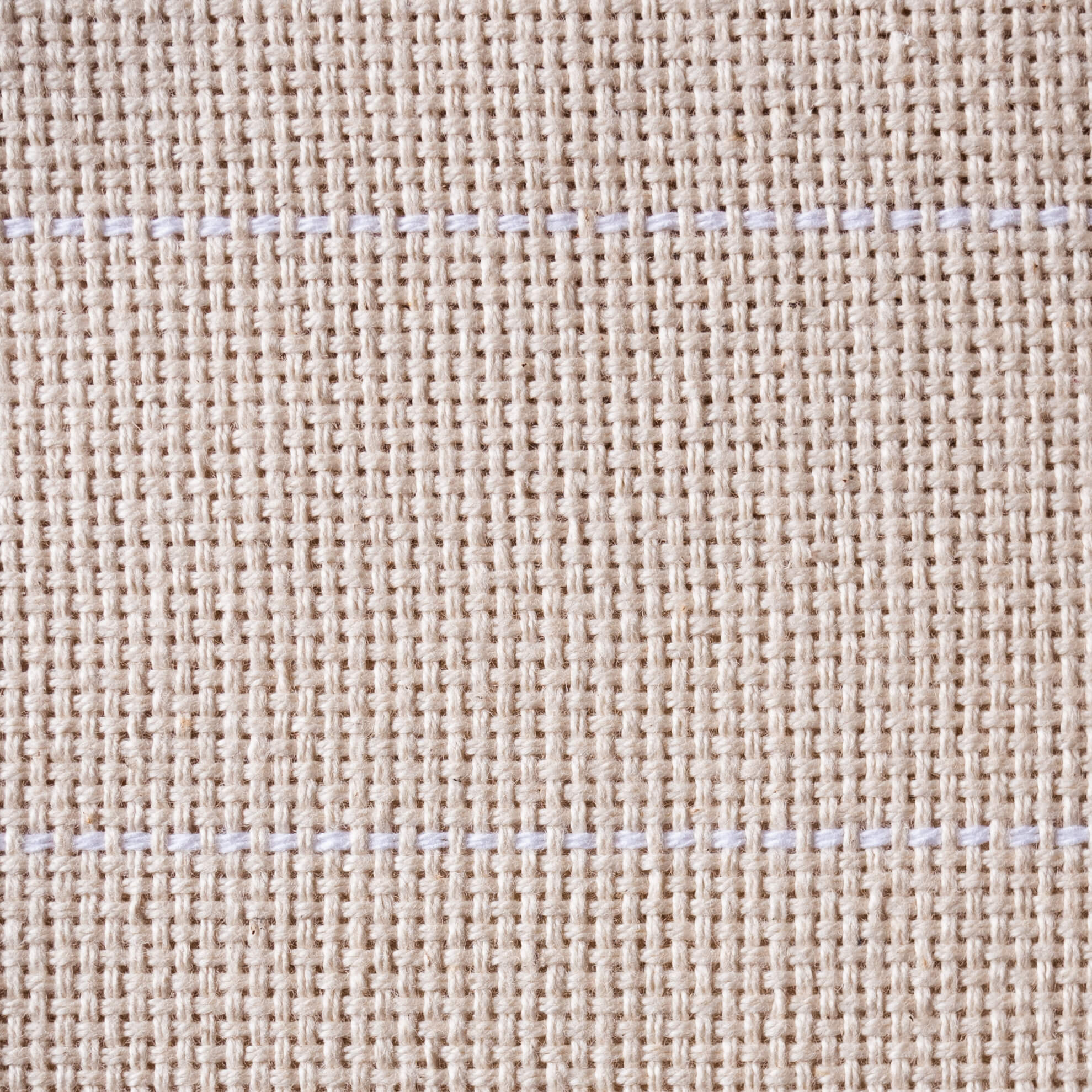
Monks cloth is a foundation fabric manufactured for rug making crafts such as punch needle and rug hooking. It’s normally composed of 100% cotton and has a loose, even weave which allows the punch needle to move through the fabric smoothly. When put under tension it grips your loop stitches in place evenly.
One of the main traditional uses of punch needle and rug hooking is (of course) making rugs and carpets so people needed a foundation fabric that was tough enough to be walked on. Monks cloth is extremely hardwearing and – even better - it’s forgiving, allowing you to pull your stitches out and re-punch if you make a mistake or want to change things up.
Just like with knitting, pulling out stitches and starting again when punching is called “frogging”.
When you pull your punch needle loops out, it will look like they have left large holes in the fabric. This is where the threads have been moved apart. With an unthreaded punch needle, or the closed tip of small scissors you can gently rub the fabric and the threads will move back into place.

The ‘count’ of holes or threads per inch
Loose weave foundation fabrics normally come with a ‘count’. This refers to the count of holes or threads per inch. This will give you a guide as to how loosely woven the fabric is and which punch needle you should use with it. Fabrics with a tighter weave will not normally have a count as the threads are woven too tightly together to count.
Monks cloth that is suitable for most punch needles will have 12 – 14 holes per inch (or 24 – 28 threads per inch, as monks cloth is woven with a double strand). If you have some fabric that you think is monks cloth and you don’t know what the count is, you can use a ruler or tape measure to count the holes per inch. Do this using a piece of fabric that isn’t already stretched as this will distort it.

Guidelines on monks cloth
Some monks cloth will have guidelines woven within the fabric on it. If the fabric is cream in colour, the guidelines are normally white. These are intended to help you when stretching your fabric over a frame or hoop.
Normally you would draw your design onto the centre of the fabric, leaving a border for stretching and hemming. With your design drawn on to your punch needle fabric you now need to stretch it over your frame. When you stretch the fabric the picture may become distorted which is the last thing you want! Keeping the guidelines straight helps ensure your completed project looks like your original design.
Qualities of monks cloth
When purchasing monks cloth for punch needle, these are some of the things you might want to think about:
- Is it a loose even weave fabric?
- Is it 100% cotton?
- Is it woven with a double thread? Double-threaded fabric is likely to be a bit more hardwearing.
- Is this the colour I want?
- Does it have guidelines?
- Does it have 12 – 14 holes per inch / 24 – 28 threads per inch?

What is aida?
Aida, also known as ‘aida cloth’ or ‘java canvas’ is a foundation fabric used primarily for counted cross-stitch embroidery. It has an open, even-weave and is made from cotton.
The fabric has enough natural stiffness that you do not need to use an embroidery hoop with it when making your cross-stitch project. Aida also has a count, the number of holes or threads per inch. There are number of different counts of aida varying from 6 holes per inch, up to 36 holes per inch. Aida is available in a number of different colours and does not have guidelines on it. It is woven with many strands in each row.
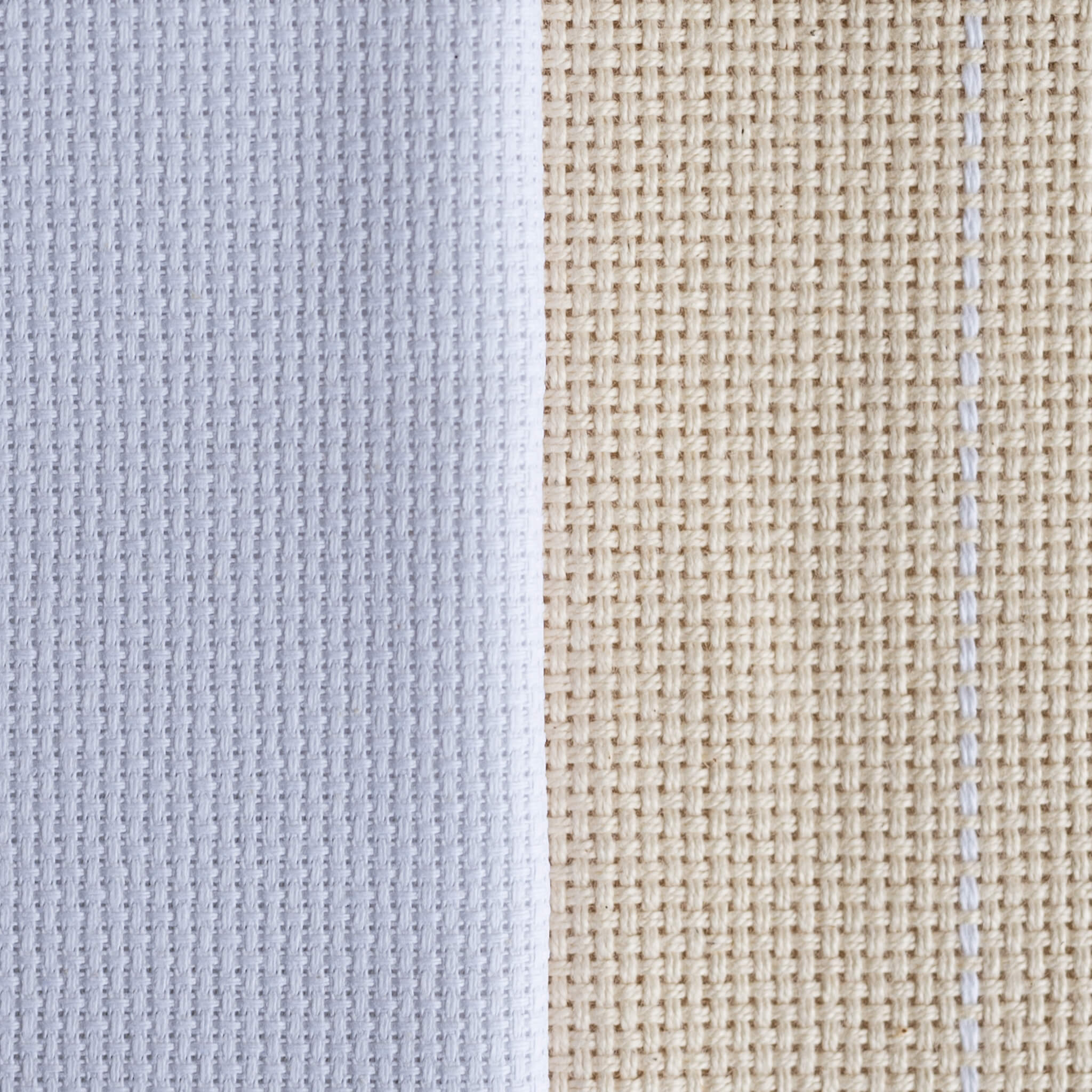
Aida on the left and monks cloth on the right

The differences between monks cloth and aida
Here’s a handy chart showing the differences between monks cloth and aida that you can easily refer back to.

Fabric you can use instead of monks cloth
If you’re struggling to source monks cloth or would like an alternative fabric to use as a foundation for your punch needle project, linen is a great all-round fabric to try.
Linen is a durable fabric suitable for a wide variety of craft projects. If you find the right one it can work really well for punch needle, although it is normally only woven with a single thread. This means that while you may be able to frog your work, you won’t be able to do this as many times as you could with monks cloth. Linen also doesn’t usually come with guidelines to help you when stretching your fabric.
Some things you might want to think about when deciding if a piece of linen is suitable for your project are:
- Is it a loosely woven fabric?
- Is it an even or uneven weave?
- Is it 100% linen, or a mix of linen and a manmade fibre?
- Is this the colour I want?
- Does it have the right number of holes or threads per square inch? I usually aim for 11 – 15 holes per inch or 22 – 30 threads per inch.

Of course, it is always easier to tell the differences between fabrics when you are able to purchase in person as you can feel and see the differences up close.
Aida will always feel much stiffer, whereas monks cloth has a much softer handle. Both fabrics are prone to fray and will need the edges sealed before using. An easy way to do this with monks cloth is to use masking tape, but alternatively you can use a small stitch on a sewing machine or use an overlocker.
Hopefully this guide will help you when choosing the kind of fabric you think will work best for your next punch needle project. If you have any questions, just let me know.